

When a strawberry tunnel greenhouse fits
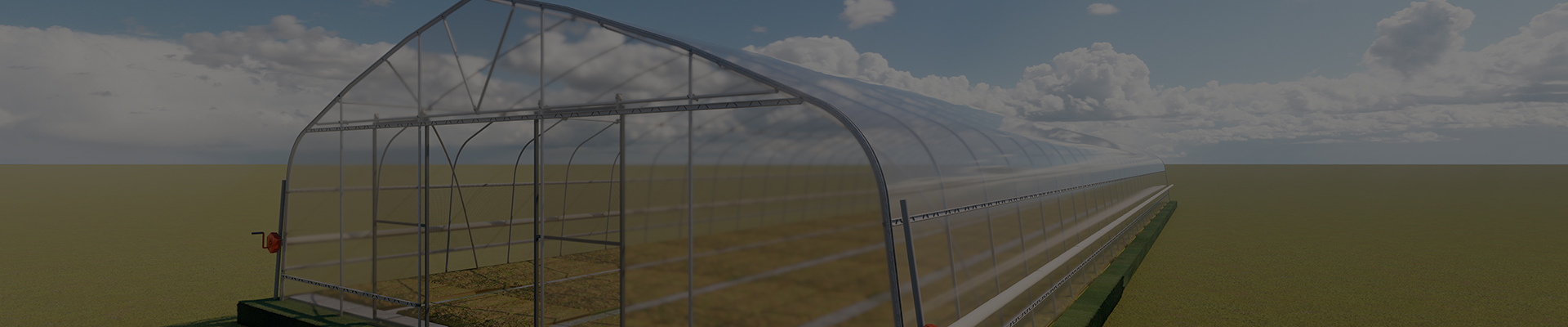
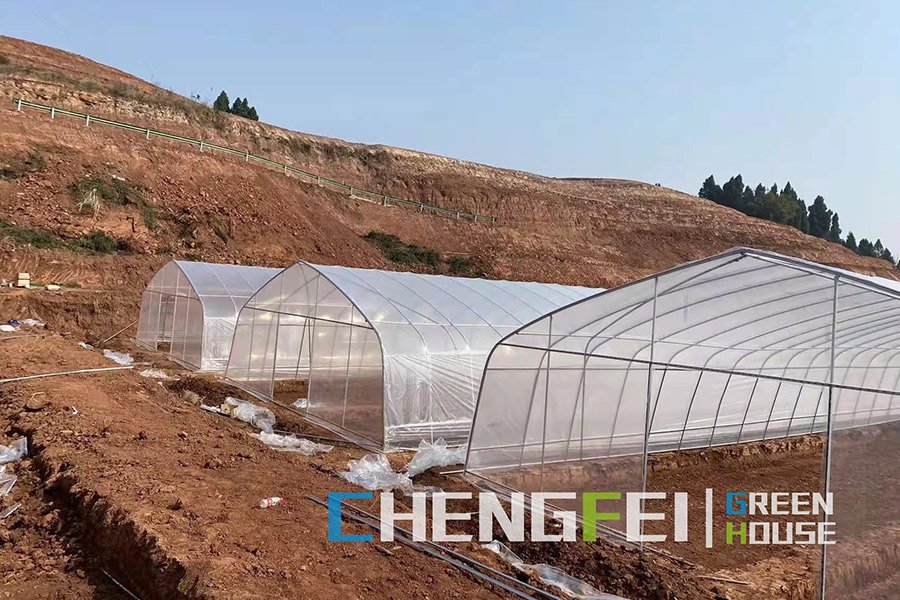
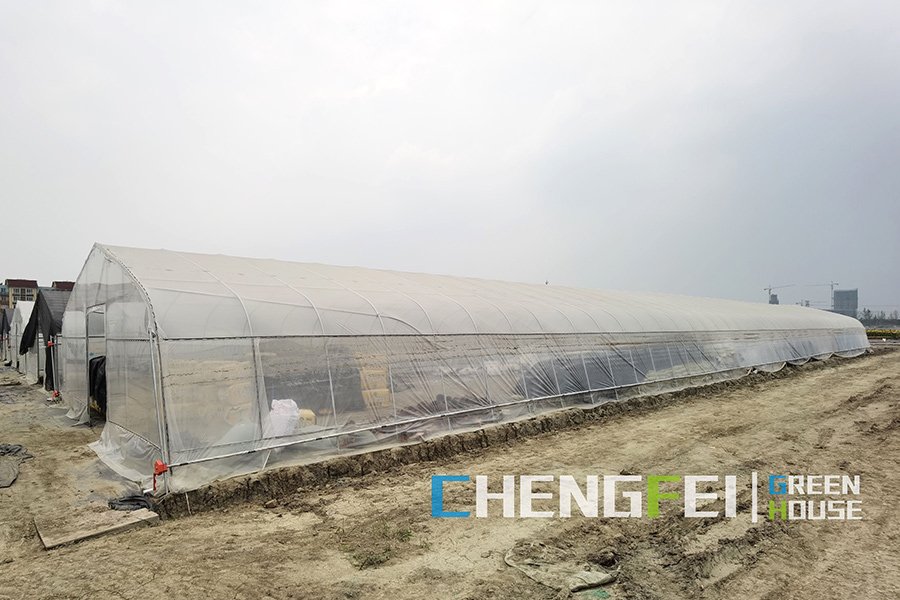
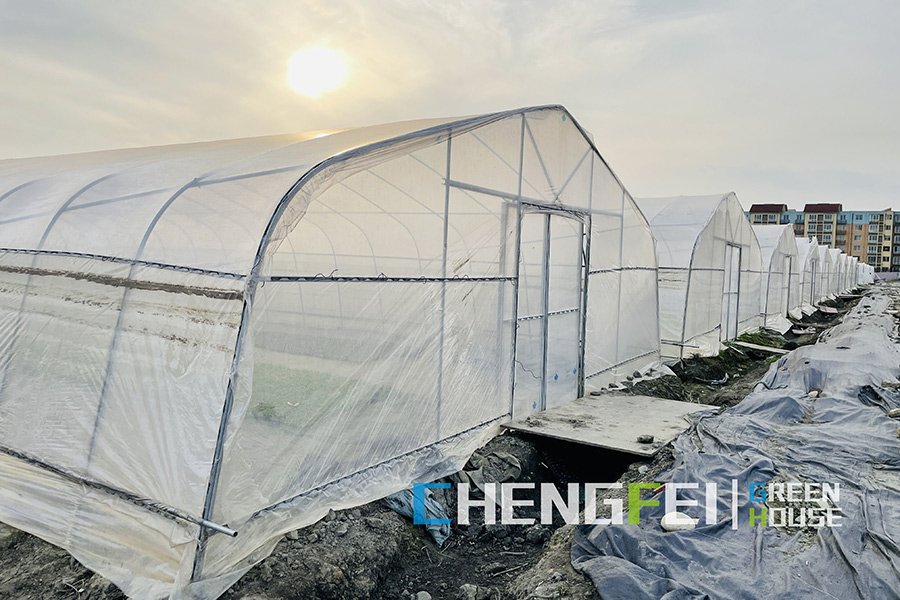
A single-span tunnel is usually considered when the project needs separated growing blocks, straightforward construction and a film-covered structure that can be adapted to the site. It may suit soil beds, gutters, substrate bags or other strawberry production layouts, provided the structure and internal systems are coordinated before fabrication.
It is not automatically the best choice for every project. A connected multi-span greenhouse may be more appropriate where the grower needs a large continuous work area, centralized climate equipment or material movement between bays. In severe wind, snow, heat or humidity, the structure and environmental-control strategy require additional engineering review.
| Project condition | What to evaluate | Why it matters |
|---|---|---|
| Separate strawberry blocks or phased construction | Tunnel length, spacing between houses, vehicle access and future expansion | Determines site utilization and whether later tunnels can be added without blocking drainage or service routes. |
| Warm or humid climate | Side vents, end openings, optional roof vents, insect screen and prevailing wind | Vent geometry and screen resistance affect heat and moisture removal. |
| Cold, windy or snowy site | Design loads, frame spacing, bracing, anchorage, film attachment and heating scope | A generic tunnel specification should not be used without local load and temperature inputs. |
| Raised gutters or substrate production | Clear height, crop-row spacing, service aisle, irrigation lines and drainage collection | The crop system must fit inside the structural and ventilation envelope. |
Six inputs to define before requesting a quotation
1. Site climate and structural loads
Provide the project location, elevation if relevant, expected temperature range, wind conditions and applicable snow or rain requirements. The supplier needs these inputs to propose frame spacing, bracing, foundations or anchors and film-retention details. See the greenhouse site assessment checklist before fixing the layout.
2. Tunnel dimensions and working layout
State the required production area, preferred tunnel width and length, crop-row or gutter arrangement, aisle width, door size and equipment access. A dimension that looks efficient on a drawing may leave insufficient clearance for workers, carts, harvest containers or maintenance.
3. Film and condensation strategy
Ask the supplier to identify the proposed film type, layer configuration, attachment method and replacement boundary. Film selection should consider local radiation, temperature, wind exposure and condensation management. Do not specify a film only by thickness; the complete material specification and installation method matter.
4. Ventilation and insect screening
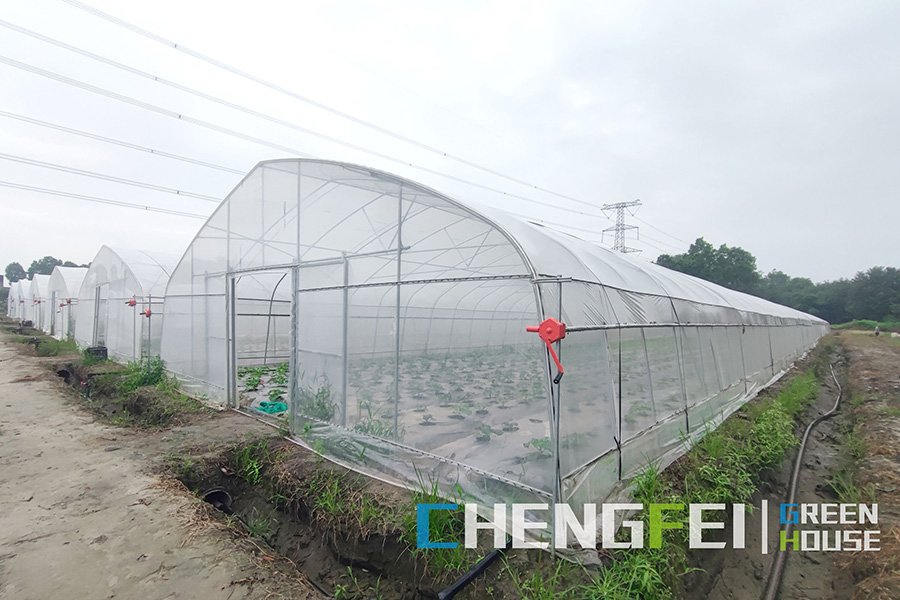
Define which sides and ends can open, the prevailing wind direction, nearby obstructions and the required insect-screen strategy. Screens add airflow resistance, so vent dimensions should not be selected independently. For design inputs, refer to the greenhouse natural ventilation guide.
5. Drainage and ground preparation
Confirm site levels, runoff paths, perimeter drains, internal floor treatment and how irrigation drainage will be managed. Tunnel spacing must leave room for drainage and maintenance. Poor grading can move water toward the crop area even when the greenhouse frame itself is correctly installed.
6. Irrigation, fertigation and crop system
Tell the supplier whether strawberries will be grown in soil, substrate bags, pots or raised gutters. Include water source information, filtration needs, irrigation zones, fertilizer-injection scope and drainage collection. Water-quality results should inform equipment selection; use the water-quality equipment guide as an RFQ input.
Strawberry tunnel greenhouse RFQ checklist
- Project country, city, site coordinates and available site plan.
- Total growing area and preferred number of separate tunnels.
- Local wind, snow, rainfall and temperature information or applicable code.
- Soil beds, substrate bags, pots or raised-gutter growing method.
- Row spacing, aisle width, door size and required equipment access.
- Film performance requirements and expected replacement responsibility.
- Side, end or roof ventilation requirements and insect-screen target.
- Irrigation water analysis, filtration, fertigation and drainage scope.
- Heating, cooling, shading, circulation fans, sensors or automation required.
- Scope split for foundations, installation labor, supervision and commissioning.
Frequently asked questions
Is a single-span tunnel greenhouse suitable for commercial strawberries?
It can be, especially when separate production blocks and a relatively simple film-covered structure fit the operating plan. Suitability still depends on climate, structural loads, crop layout, ventilation and water management.
Should strawberry tunnels use natural ventilation?
Natural ventilation is commonly considered, but the opening area, wind direction, tunnel length and insect-screen resistance must be evaluated together. Some climates or operating targets may require circulation fans, active cooling or heating.
Can the supplier quote from the greenhouse area alone?
An area is not enough for a comparable quotation. The supplier also needs location, loads, dimensions, growing method, ventilation, film, irrigation, drainage, equipment scope and installation responsibility.
What determines the cost of a strawberry tunnel greenhouse?
Major cost drivers include site loads, frame and foundation design, tunnel dimensions, film system, vents and screens, irrigation or fertigation, environmental controls, logistics and installation scope. A single universal price would be misleading without these inputs.
Prepare a project-specific quotation
Send the project location, growing area, strawberry production method, climate information and required systems to info@cfgreenhouse.com. Chengfei Greenhouse can review the scope and identify the inputs still required before a technical quotation.



 Click to Chat