

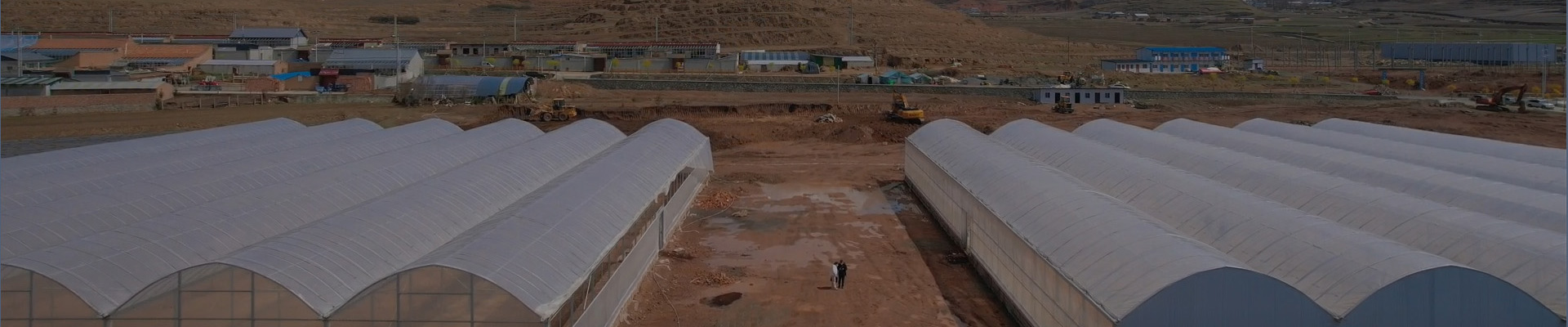
A greenhouse is like a "warm home" for your plants, especially during the colder months. It provides a stable environment where your plants can thrive, regardless of what the weather is like outside. Whether you’re growing vegetables, fruits, or flowers, a greenhouse helps your plants grow healthily and without interruption. But there's one common issue every greenhouse owner faces—keeping the temperature warm at night. As temperatures drop after sunset, how can you ensure your plants stay cozy and protected? Don’t worry! Here are 7 practical tips to keep your greenhouse warm overnight and ensure your plants stay healthy through the coldest nights.
1. Understand Temperature Fluctuations in Your Greenhouse
To tackle the issue of nighttime cold, it's essential to understand how temperatures fluctuate inside a greenhouse. During the day, sunlight enters the greenhouse, warming the air, soil, and plants. This heat is absorbed and stored by the greenhouse materials (such as glass or plastic). But as the sun sets, the greenhouse loses its heat quickly, and without a heat source, temperatures can drop sharply. The key challenge at night is to retain the heat that was absorbed during the day.

2. Insulate Your Greenhouse Properly
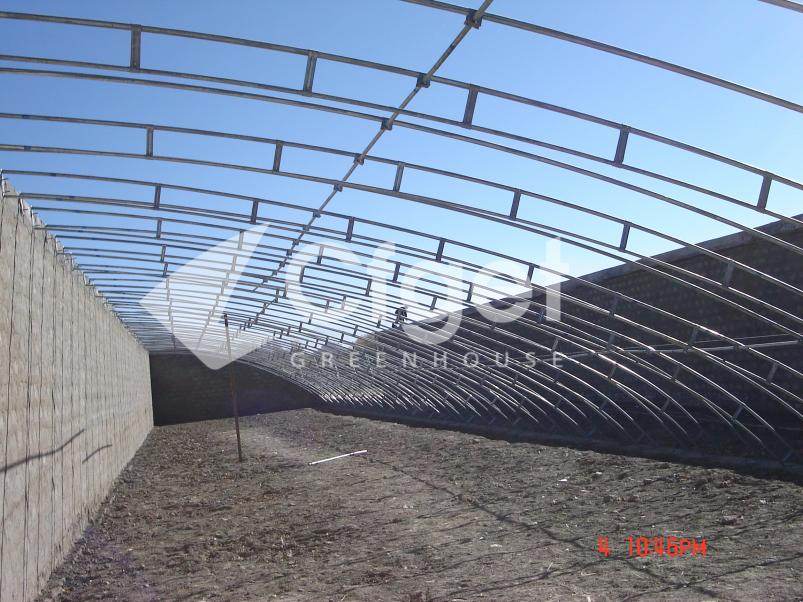
One of the most effective ways to keep your greenhouse warm at night is by improving its insulation. A well-insulated greenhouse helps trap the heat accumulated during the day, reducing heat loss overnight. You can use materials like bubble wrap, thick plastic sheets, or thermal screens to insulate your greenhouse.
bubble wrap is a great insulator that creates an air pocket between its layers, helping to keep the warmth inside. Simply attach the bubble wrap to the interior of your greenhouse for an extra layer of protection.
3. Use a Greenhouse Heater
If you live in an area where temperatures drop significantly at night, a greenhouse heater can be an essential addition to your setup. These heaters are designed to maintain a stable temperature and keep frost from harming your plants. There are various types of greenhouse heaters, including electric heaters, gas heaters, and propane heaters. Choose one that fits your greenhouse size and energy preferences.
For small greenhouses, electric fan heaters are an affordable option. They circulate warm air effectively and help maintain a steady temperature. If you have a larger greenhouse, you may consider a gas heater that can provide more consistent heat.
4. Add Heat Retention Materials
Another simple method to keep your greenhouse warm is by adding heat retention materials. These materials absorb heat during the day and release it slowly at night, helping to stabilize the temperature inside the greenhouse.
Materials like thermal mass (such as large stones or water barrels) can store heat during the day and release it at night, keeping the temperature more consistent. Placing water barrels or bricks along the walls of the greenhouse will naturally absorb and retain heat.
5. Cover Your Greenhouse with Thermal Blankets
For those extra-cold nights, thermal blankets or frost protection blankets can provide an extra layer of warmth. These blankets are specifically designed to protect plants from frost and prevent temperature drops. You can drape them over your plants or use them to cover the entire greenhouse.
These blankets are especially helpful if you're expecting a sudden cold snap or if your greenhouse is in an area prone to sharp nighttime temperature drops.


6. Use Automatic Ventilation and Shading Systems
It may seem counterintuitive, but ventilation and shading systems play a role in keeping your greenhouse warm at night. During the day, good ventilation helps prevent overheating. At night, closing the vents keeps the warm air trapped inside. Similarly, using shading systems or shutters can block drafts and help maintain warmth inside.
7. Maintain a Consistent Temperature
Finally, it’s important to maintain a consistent temperature throughout the day and night. Fluctuations between day and night can stress plants and affect their growth. Keeping the temperature as steady as possible is key to promoting healthy growth and protecting your plants.
If you use a greenhouse heater, consider pairing it with a thermostat or automatic temperature control system. These devices help regulate the temperature and ensure it doesn’t drop below a certain point during the night.
By using a combination of insulation, heat retention methods, and appropriate heating systems, you can keep your greenhouse warm and cozy at night, no matter how cold it gets outside. Whether you're growing vegetables, fruits, or flowers, maintaining the right temperature is essential for healthy plant growth. Use these 7 practical tips to help your plants thrive through the cold months, and you'll be able to enjoy a thriving greenhouse all year round!
Welcome to have a further discussion with us.
Email: info@cfgreenhouse.com
Phone:(0086 )13550100793
- #Greenhousegasemissions
- #Greenhousedesignideas
- #Bestgreenhouseheaters
- #Greenhouseinsulationmaterials
- #Howtobuildagreenhouse
Post time: Dec-13-2024



 Click to Chat