
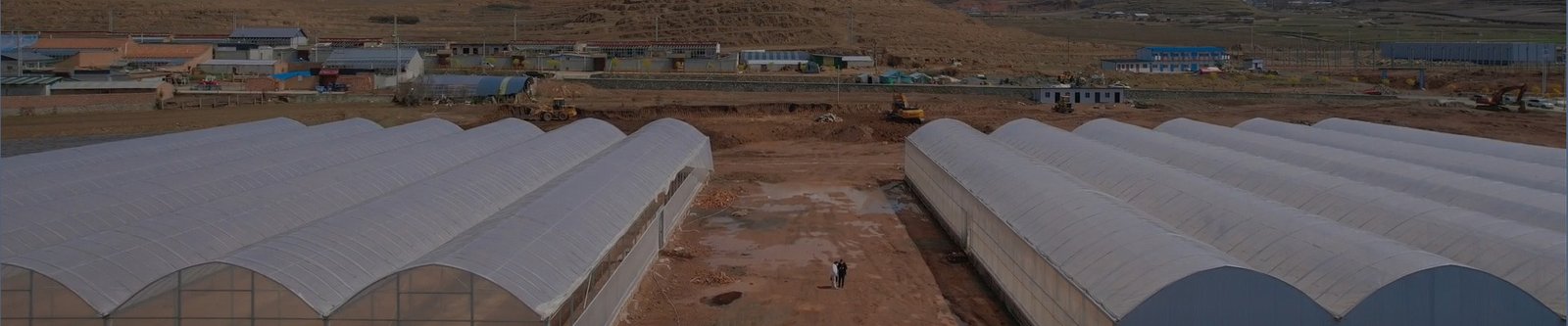
Short answer: do not treat a greenhouse as either sealed or open for the whole winter. Close openings when the crop and heating plan require heat retention, but provide controlled air exchange when humidity, condensation, combustion safety or crop gas conditions require it. Internal circulation moves air around the crop; it does not replace outside-air ventilation.
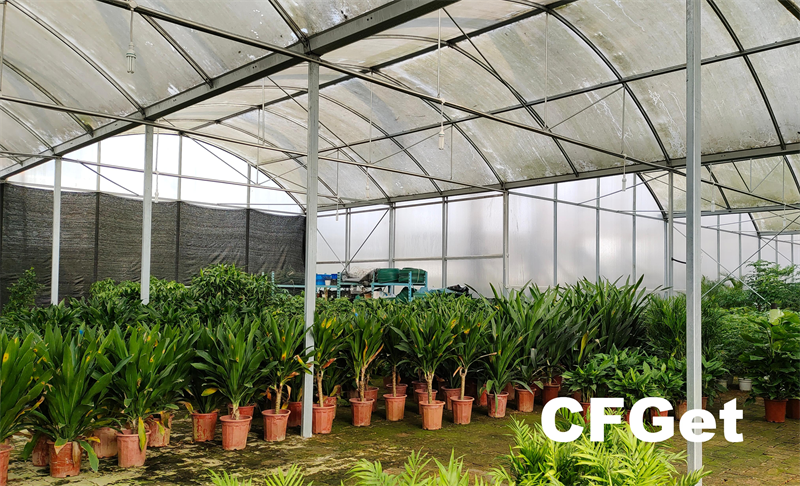
Use conditions, not the calendar
A closed greenhouse can conserve heat during a cold period, yet solar gain can overheat it on a clear winter day. Crop transpiration and wet floors can also raise moisture while outside air is cold. The correct vent position changes with outside weather, solar load, crop stage, irrigation timing, heating operation and the greenhouse envelope.
UF/IFAS describes winter ventilation as a balance between humidity control and heating demand. Condensation forms when warm, humid greenhouse air meets a surface below its dew point. Keeping every opening shut can therefore increase leaf wetness and dripping even when the air temperature appears acceptable.
Separate circulation, ventilation and leakage
| Function | What it does | What to verify |
|---|---|---|
| Circulation | Moves greenhouse air through the crop and reduces stagnant zones | Fan placement, crop obstruction, air speed, maintenance and uniformity at crop height |
| Controlled ventilation | Replaces selected greenhouse air with outside air through planned inlets and outlets | Stage, duration, inlet path, heating coordination, humidity response and wind effects |
| Envelope leakage | Allows unplanned air exchange through gaps, damaged covering and doors | Location, heat loss, drafts, condensation risk and repair priority |
| Moisture removal | Uses ventilation with heat, dehumidification or another designed process | Moisture balance, condensate route, energy use, controls and crop boundary |
Measure at crop height and inspect surfaces
Record temperature and relative humidity at representative crop locations. Add outside conditions and equipment state. Where condensation is recurring, calculate or monitor dew point and compare it with likely cold surfaces such as glazing, frames, gutters and perimeter zones.
Penn State's psychrometric guidance explains why relative humidity changes when air is heated even though its moisture content may stay the same. Heating followed by a measured air exchange can remove moisture, but the useful sequence and duration depend on the actual inside and outside air conditions.
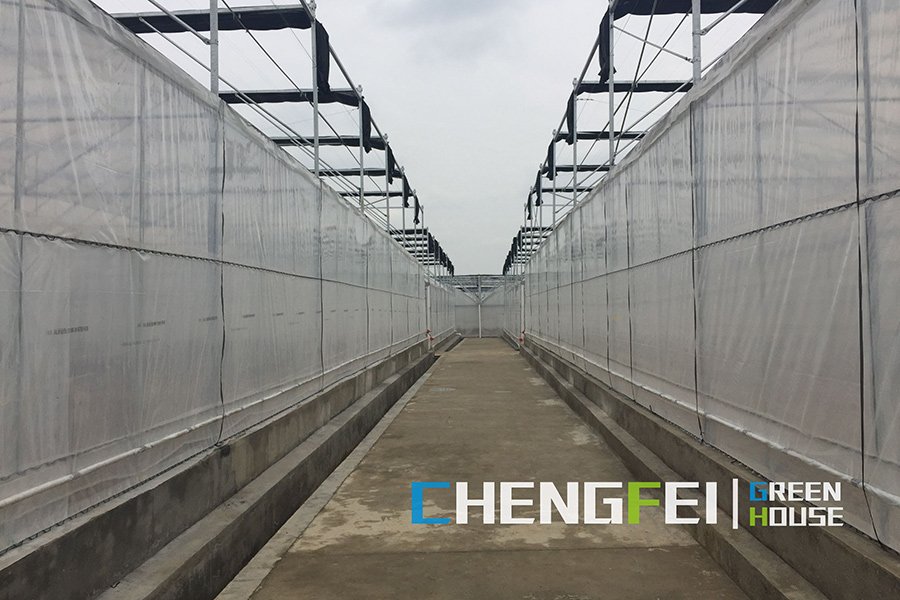
Write a winter operating sequence
- Set crop-stage temperature and humidity operating bands with the grower.
- Identify the sensor or sensor group used for each zone and alarm.
- Define when circulation runs and how uniformity will be checked.
- Stage heat, inlet and outlet positions so cold air does not strike the crop directly.
- Set a deadband and delay that prevents rapid opening and closing.
- Coordinate irrigation timing, floor drying and night curtain operation with moisture control.
- Log conditions before and after each stage, then adjust from measured results.
Check the cause before adding more ventilation
Persistent condensation may come from excessive irrigation, standing water, blocked drains, poor air distribution, cold bridges, damaged covering, an uninsulated perimeter or a heating and vent sequence that conflicts. More ventilation can waste heat without correcting those causes.
Inspect gutters, drainage, inflation blowers, double-film pressure, vent seals, doors and thermal screens. Compare wet and dry zones inside the house. If moisture is concentrated beneath one roof bay or along one wall, the local envelope and airflow deserve attention before changing the whole-house setpoint.
Include combustion and failure safety
Fuel-fired heating equipment requires the combustion air, venting, clearance, gas detection and inspection specified by its manufacturer and local code. Greenhouse humidity control must not override a life-safety requirement. Keep emergency ventilation and manual shutdown available if the automation controller or network fails.
Test a failed humidity sensor, a stuck vent, loss of circulation, heater lockout and power loss. The alarm should identify the zone and equipment state, not only report that humidity is high. Record who responds and what temporary action protects the crop.
Information to send with a winter ventilation RFQ
- Project location, elevation and hourly winter temperature, humidity, wind and solar data.
- Crop, growth stage, planting density, irrigation timing and environmental limits.
- Greenhouse dimensions, covering, inflation, screens, vents, doors and leakage concerns.
- Heating type and capacity, combustion boundary and backup power.
- Circulation layout, controlled inlet and outlet stages, sensors and alarms.
- Known condensation, dripping, drainage and cold-surface locations.
- Required logging, commissioning weather, pass criteria and operator training.
Related CFGET planning pages
The greenhouse exhaust fan control guide explains why fixed runtime is unreliable. Use the greenhouse energy design guide for envelope decisions and the climate-control planning guide for system capacity and RFQ inputs.
Technical references
- University of Florida IFAS: Greenhouse ventilation, including winter humidity control
- University of Florida IFAS: Fan and pad greenhouse ventilation and cooling controls
- University of Alaska Fairbanks Extension: Greenhouse temperature, moisture and air movement
Need a winter operating and acceptance scope? Send the crop limits, envelope, heating, airflow, sensor and condensation information. CFGET can identify the equipment interfaces that belong in the quotation.