
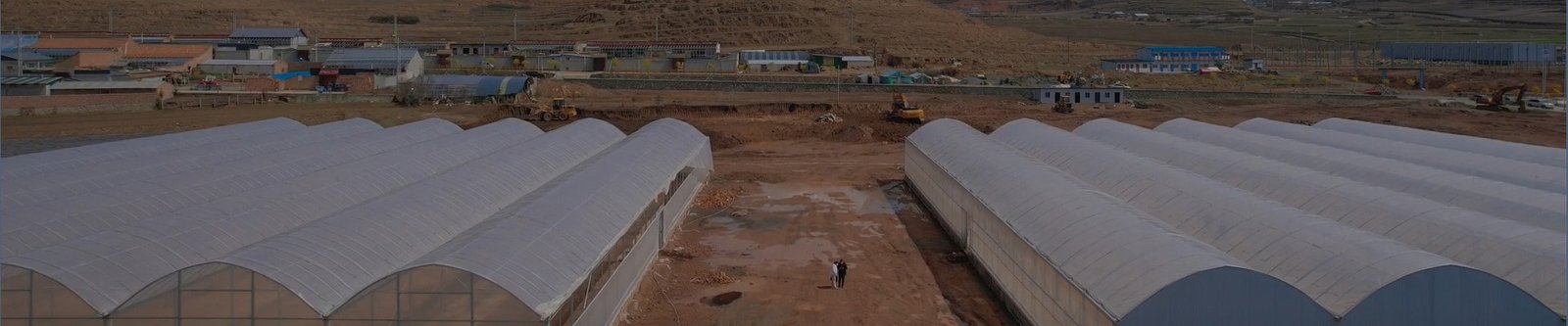
Short answer: the most energy-efficient greenhouse is the one that meets the crop setpoints with the lowest annual heating, cooling, lighting and pumping demand at its actual site. A structure name does not settle that question. Covering heat loss, air leakage, screen closure, equipment efficiency, climate setpoints and control sequences all need to be compared together.
Define the energy target before choosing a structure
Start with the crop, production months and indoor conditions. Record the day and night temperature ranges, humidity limits, required daily light integral, ventilation limit, irrigation demand and any carbon dioxide strategy. Then add hourly outdoor weather data, fuel and electricity tariffs, utility capacity and the required backup condition. Without those inputs, an "efficient" greenhouse is only a label.
A useful comparison separates annual delivered energy from peak equipment capacity. A design can have a modest yearly fuel estimate but still need a large heater for the coldest design hour. Another can reduce heating demand yet raise fan or lighting electricity. Ask the supplier to state which loads are included and which are excluded.
Check the envelope before adding renewable energy
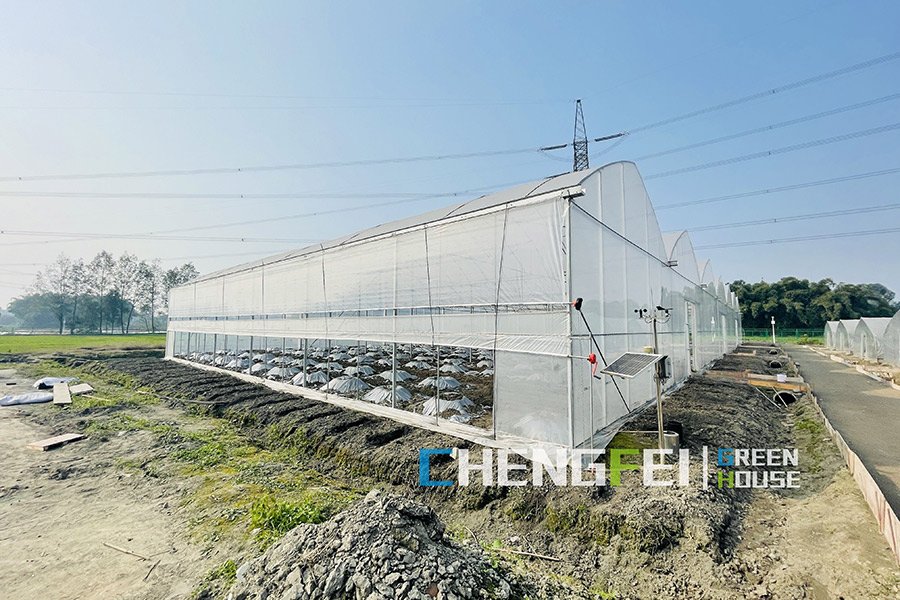
Heat leaves through the roof and walls, through gaps around vents and doors, and with the warm air intentionally exhausted for humidity control. The covering specification should identify the installed assembly, not just the material name. Compare the number of layers, panel thickness, joints, thermal bridges, inflation equipment, expected replacement interval and how the system will be sealed at the foundation and gutters.
Virginia Tech notes that covering condition, tight vents and doors, and thermal blankets affect greenhouse heat loss. The University of Connecticut also places double coverings, repaired openings and retractable thermal screens on its conservation checklist. These are practical design details, but their savings depend on the climate, installation and operating schedule.
| Design layer | What the buyer should compare | Evidence to request |
|---|---|---|
| Covering and seals | Installed layers, joints, inflation, perimeter sealing and replacement access | Section details, material data and installation scope |
| Thermal screen | Screen type, closed area, edge seals, condensation path and fire requirements | Layout, control sequence and motor schedule |
| Heating | Peak load, distribution method, zoning, fuel, flue and backup | Load basis, equipment schedule and piping or duct layout |
| Ventilation and cooling | Natural openings, fans, pads, pumps, shade and staged operation | Capacity calculations and operating sequence |
| Lighting and controls | Crop light target, available daylight, fixture power, dimming and sensor locations | Lighting plan, control narrative and energy assumptions |
Compare covering choices as complete assemblies
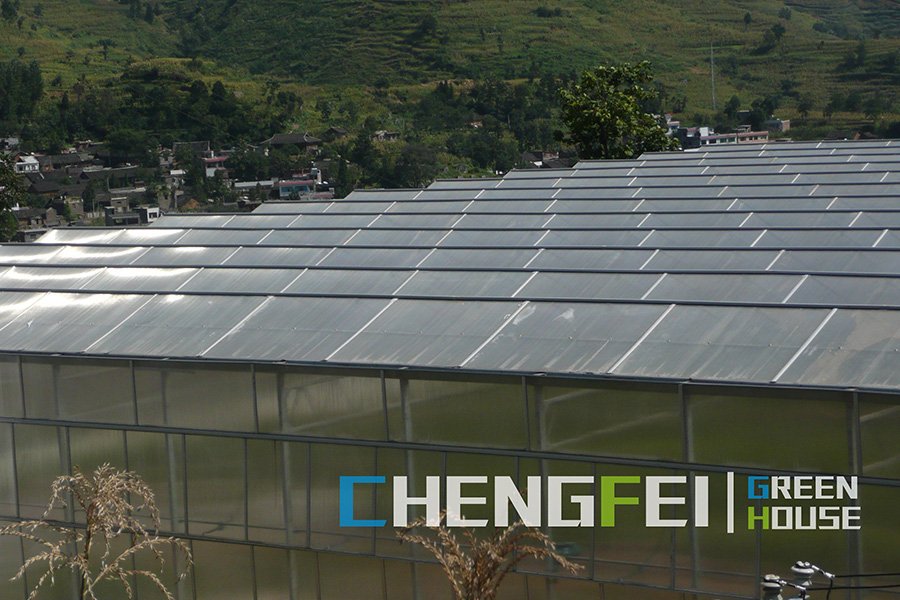
Double inflated film can reduce conductive heat loss compared with a single film layer and has a different capital and replacement profile from rigid panels. Multiwall polycarbonate adds air spaces and durability but changes light transmission and cleaning requirements. Glass can provide durable high light transmission, while its framing, seals and pane configuration affect the installed result. The decision should balance heat transfer, usable light, condensation, maintenance and crop value.
Do not use a generic percentage to choose between these systems. Ask for an energy model or heat-loss calculation that lists the weather file, indoor setpoints, covering properties, infiltration assumption, screen schedule and equipment efficiencies. The same assumptions must be used for each option.
Controls should prevent systems from working against each other
Automation saves energy only when the sequence is defined and commissioned. Heating should not run while roof vents are open beyond the humidity or safety requirement. A thermal screen should close only when crop light, condensation and snow-management rules allow it. Fans, pads, pumps, shade and supplemental lighting need staged setpoints, alarm limits and manual overrides.
Link this page with the environmental control system and intelligent control system pages when specifying the equipment and control boundary. The structure, equipment and software should be quoted as one coordinated operating system.
Energy-efficiency RFQ inputs
- Project coordinates, elevation and the required weather or design-load source.
- Crop, growing method, production calendar and indoor temperature, humidity and light targets.
- Available electricity, fuel, water and backup power capacity, with local tariffs.
- Proposed covering, thermal screen, ventilation, cooling, heating and lighting options.
- Required energy calculation period, assumptions and outputs, including peak loads.
- Controls narrative, sensor list, alarm plan and commissioning responsibility.
- Maintenance access, replacement intervals and spare-parts responsibility.
Engineering boundary: this guide does not provide a project energy estimate or heating and cooling capacity. A qualified designer must use local weather data, crop setpoints, installed material properties, ventilation requirements and applicable codes. Renewable generation should be sized only after the demand and operating profile are defined.
Technical references
- Virginia Tech: Dealing with the High Cost of Energy for Greenhouse Operations
- University of Connecticut: Greenhouse Energy Conservation Checklist
- UMass Amherst: Energy and Shade Screen Systems for Greenhouses
Preparing an energy-focused greenhouse RFQ? Send the site, crop setpoints, production calendar, utilities and covering options to info@cfgreenhouse.com so the quotation can state its assumptions and system boundary.