

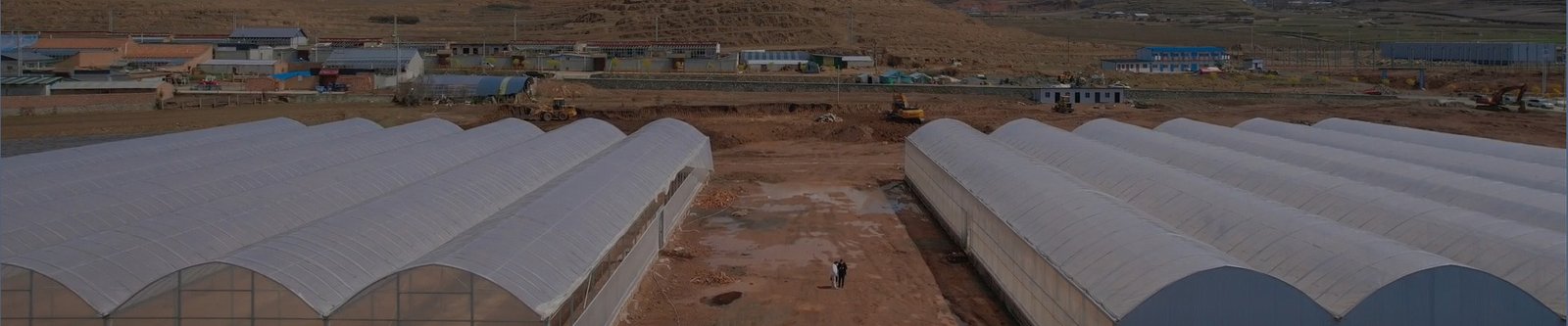
Short answer: greenhouse ventilation must remove sensible heat, manage humidity and renew air without creating damaging drafts or uncontrolled heat loss. A commercial specification starts with local design weather, crop limits, greenhouse geometry and operating cases. It then defines natural vent free area or fan duty at system pressure, inlet behavior, screens, staging, sensors, alarms and acceptance tests.
Write the operating cases first
Give designers hourly or design-point outdoor temperature, humidity, solar load and wind conditions for the production season. State the crop canopy limits approved by the grower or crop adviser. Separate hot-day cooling, mild-weather humidity control, cold-weather minimum ventilation, rain, high wind, power loss and fire or emergency modes.
Air-change rules alone can hide the real heat and moisture loads. Document greenhouse volume, covering, screens, crop transpiration assumptions, installed cooling and internal equipment. The greenhouse temperature guide addresses crop-specific limits; this page owns ventilation procurement and verification.
| System | Evidence to request | Common interface |
|---|---|---|
| Natural vents | Geometric and effective free area, actuator capacity and wind/rain logic | Roof shape, side vents, screens and obstructions |
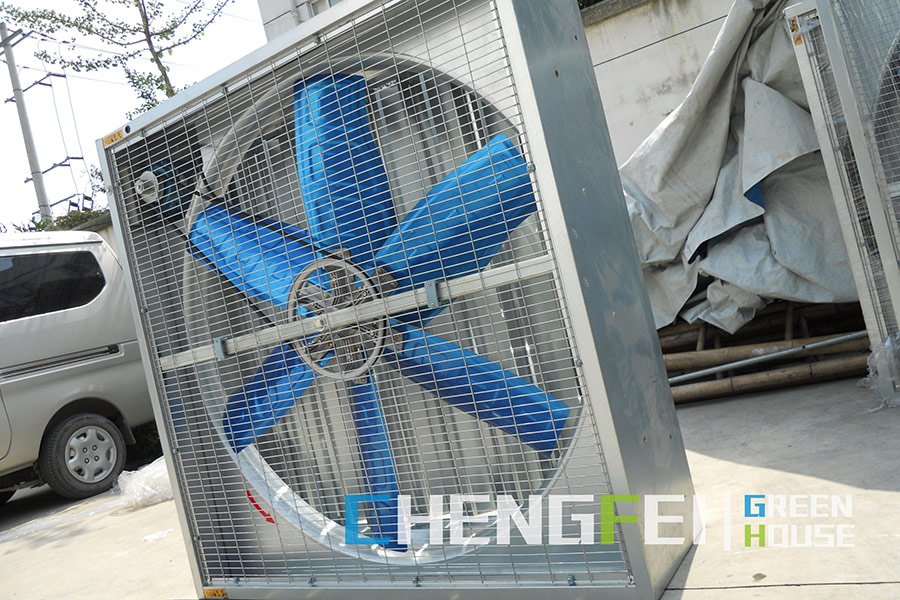
| Exhaust fans | Certified fan curve at expected static pressure | Inlets, screens, pads, shutters and wind |
| Controls | Sensor map, stages, deadbands, overrides and alarm actions | Heating, screens, cooling and backup power |
| Commissioning | Airflow, pressure, current, direction and sequence records | As-built openings and maintenance state |
Natural ventilation needs effective opening area
List roof and side vent dimensions, opening angles and obstructions. Effective free area is less than the rough opening when frames, mesh or equipment restrict flow. Wind can help or oppose buoyancy, so test normal summer wind, calm hot conditions and storm closure. Controls should prevent conflicting vent, screen, heating and rain responses.
Insect screens protect crops but add pressure loss that increases as they foul. Require material, aperture, tested resistance, installed area and cleaning access. Do not compensate for an unknown screen solely by adding actuator count.
Mechanical ventilation is a system curve
Specify duty airflow at the calculated static pressure, not a free-air nameplate value. Include losses through inlets, pads, screens, louvers, shutters and building openings. Check fan discharge against nearby walls and prevailing wind. Inlets must distribute air without short-circuiting directly to the fan or producing crop-level jets.
Stage fans so the control system can match load without rapid cycling. Record motor efficiency, electrical supply, protection, guards, service access and replacement strategy. The exhaust-fan operation guide covers runtime logic after equipment is sized.
Coordinate humidity, heating and cooling
Cold-weather humidity control often needs a deliberate sequence: heat enough to raise the air's moisture-carrying capacity, then ventilate a measured amount without chilling the canopy. The exact sequence depends on crop, disease risk, outdoor moisture and energy system. Evaporative cooling adds moisture and pressure resistance, so its design case is separate from dry ventilation.
Thermal and shade screens change air paths. Define screen positions for each operating mode and any minimum gaps around them. Sensors above and below screens may be needed to identify trapped heat or condensation risk.
Design controls for faults, not only normal weather
Show temperature and humidity sensor locations, calibration method, stage thresholds, deadbands, minimum run times and manual overrides. Provide alarms for high temperature, failed fan or actuator, power loss and controller communication. Decide which equipment runs on backup power and how vents reach a safe position.
The greenhouse automation guide owns the broader controls architecture. A ventilation RFQ should still state points, sequences and acceptance criteria rather than naming a controller brand alone.
Commission airflow and sequence
Verify fan rotation, shutter opening, motor current, inlet movement and sensor readings. Measure airflow or pressure with a documented method at representative stages. Test rain, wind, high-temperature, manual, alarm and power-recovery modes. Record as-built screen and pad condition because added resistance can invalidate the original duty.
RFQ inputs for commercial greenhouse ventilation
- Site coordinates, weather source and hot, calm, wet and cold design cases
- Crop, canopy limits, production calendar and humidity strategy
- Greenhouse dimensions, covering, screens and internal obstructions
- Natural vent type, effective free area, actuators and closure logic
- Required fan airflow at calculated static pressure and certified curves
- Inlet, louver, shutter, pad and insect-screen resistance
- Fan stages, deadbands, interlocks and minimum run times
- Sensor locations, accuracy, calibration and data logging
- Alarms, manual override, safe state and backup-power scope
- Airflow, pressure, electrical and sequence commissioning records
Technical references
Coraline Liao is CEO and Greenhouse Technical Director at CFGET. Her review here is limited to greenhouse procurement and system interfaces.
- UMass Extension: ventilation for greenhouses
- University of Florida IFAS: fans for greenhouse ventilation
- Arizona CEAC: ventilation and screening of greenhouses
Send the weather, crop, greenhouse and control brief through the CFGET contact page, then compare stated pressure, assumptions and tests line by line.
Post time: Jan-05-2025



 Click to Chat