

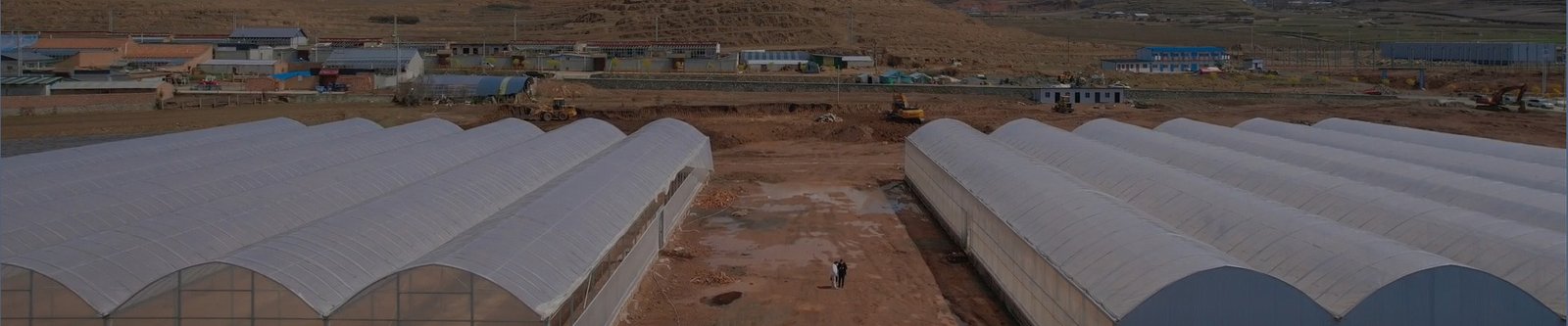
Short answer: a commercial greenhouse in Malaysia should be specified from the project location, hourly weather, monsoon exposure, drainage and flood level, crop calendar, water analysis, utility limits and operator capability. A tropical label is not a design basis. Buyers need each supplier to return the same structural, climate, water, control and commissioning evidence.
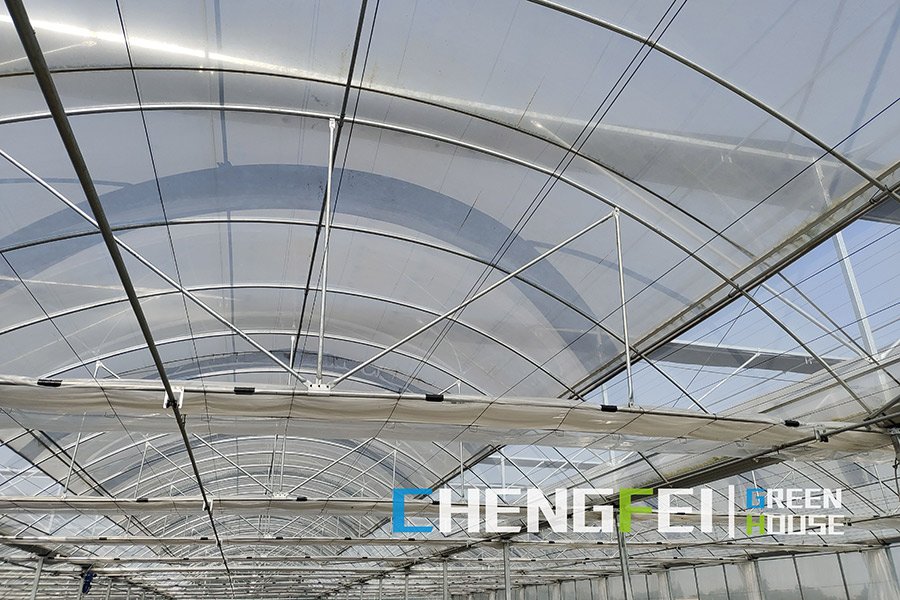
Start with the exact Malaysian site
Malaysia's climate varies with elevation, coast, topography and monsoon exposure. Provide a map pin, survey, elevation, nearby obstructions and the weather station or data set used for design. The brief should include hourly dry-bulb temperature, humidity, solar radiation, rainfall and wind, plus the project's extreme and outage cases.
Record site access, flood history, finished floor level, legal discharge point, utility capacity and expansion area. A greenhouse on a highland vegetable site and one on a humid lowland site may need different structures and climate systems even when the crop is the same.
| Decision | Buyer evidence | Bidder return |
|---|---|---|
| Structure | Survey, geotechnical data, code, wind and equipment loads | Calculation basis, reactions, anchors and corrosion system |
| Rain and drainage | Design rainfall, flood level and legal outfall | Gutter, outlet, overflow, ground drainage and erosion details |
| Climate | Hourly weather, crop limits and production period | Vent, screen, shade and cooling calculations |
| Operations | Water, power, labor, maintenance and crop flow | Storage, backup, service access, training and spares |
Design rain and structure as one system
Roof shape, bay width, gutters, downpipes, foundations and site drainage interact. Ask for the roof catchment, gutter slope, outlet spacing, emergency overflow and discharge route. Water should not pond at columns, cross worker routes or erode foundations. Maintenance access and safe cleaning points belong on the drawings.
Wind assumptions must match openings, screens, nearby structures and the governing local requirements. State crop, hanging equipment, service and temporary construction loads. Coastal or fertilizer exposure can change the corrosion specification. A steel weight or coating label without design assumptions is not a comparable structural offer.
Separate heat removal from moisture control
Natural ventilation depends on usable roof and side opening area, wind and temperature difference. Insect netting and crop canopy add resistance. Require the proposed mesh, clean and loaded pressure data, installed area and cleaning access. Low wind and rain-closure cases need their own control response.
Evaporative cooling is limited by outside wet-bulb conditions and adds moisture. In a humid climate, a supplier must state the selected design hours, expected approach to wet bulb, water quality, bleed or treatment, airflow path and how condensation risk is managed. The commercial ventilation guide covers fan curves, inlets and installed resistance in more detail.
Match the greenhouse to the crop and work flow
Define cultivar group, production months, growing system, crop height, support loads, irrigation zones, harvest method and market specification. Draw workers, crop inputs, carts, harvested produce, rejected material and maintenance equipment on the same plan. Door sizes and aisles should be checked against real equipment rather than copied from another project.
Water needs a laboratory analysis and a seasonal availability profile. State normal and peak zone flow, minimum pressure, daily demand, storage autonomy, filtration, treatment, fertigation, sampling points, drainage and disposal constraints. The commercial project planning guide owns the wider design-to-handover process.
Write controls around normal and failed operation
List sensors, accuracy, locations, calibration and logging. The sequence should coordinate vents, screens, fans, pads or fog, irrigation and alarms. Test high temperature, high humidity, heavy rain, strong wind, low wind, water shortage, failed pump, stuck vent, lost sensor and power recovery.
Controls cannot repair undersized openings or equipment. Require every setpoint to have an owner, permitted adjustment range and alarm response. Define which loads receive backup power and what safe state applies when communication is lost.
Commission before production depends on the system
Inspect structure, anchors, covering, gutters, overflows, vents, screens, cooling, irrigation, drainage and electrical work. Record instruments, test conditions, limits, results and unresolved items. Verify sensor calibration, actuator travel, fan rotation, pump duty, filter pressure, irrigation uniformity, alarms and operator recovery after power loss.
Seasonal capacity may not be testable at initial handover. If so, agree the weather window, trend points, acceptance method and responsibility for corrective work. Keep approved drawings, substitutions, as-built records, manuals, spares and training evidence in the handover register.
RFQ inputs for a commercial greenhouse in Malaysia
- Company, contact, map pin, survey, elevation and expansion phases
- Hourly weather source, monsoon exposure, wind, rainfall and flood level
- Geotechnical data, governing requirements and corrosion environment
- Crop, production calendar, growing system, market and work flow
- Structure, covering, vent, screen, shade and cooling requirements
- Water analysis, available flow, storage, treatment, fertigation and drainage
- Power supply, outage history, backup scope and safe states
- Sensor list, sequence, alarms, logging and manual operation
- Owner, supplier and local contractor scope, permits and interfaces
- Calculations, drawings, inspection, commissioning, training and as-built records
Technical references
Coraline Liao is CEO and Greenhouse Technical Director at CFGET. Her review here is limited to procurement and greenhouse system interfaces.
- Malaysian Meteorological Department: Malaysia's climate
- Universiti Putra Malaysia: natural ventilation in multi-span greenhouse structures
- Universiti Putra Malaysia: tropical greenhouse pad-and-fan microclimate study
- FAO: good agricultural practices for greenhouse vegetable crops
Send the site, crop, climate, water and utility brief through the CFGET contact page. Require each quotation to identify assumptions, exclusions and acceptance evidence.
Post time: Aug-12-2024



 Click to Chat