

Short answer: a commercial glass greenhouse does not have one defensible universal lifespan. The glass, edge seals, gaskets, sealants, vents, fasteners, coatings, frame, foundation and control equipment age in different ways. Buyers should ask for a component schedule, site load basis, maintenance access, inspection criteria, replacement method and records. Service life is a managed system outcome, not a number promised by the glazing alone.
The previous article stated a fixed multi-decade lifespan and suggested that ultraviolet exposure makes glass cloudy or brittle. Those statements were not supported and could mislead a buyer. This revision keeps the page's glass durability and maintenance topic while separating components, exposure, inspection and lifecycle planning.
Define service life component by component
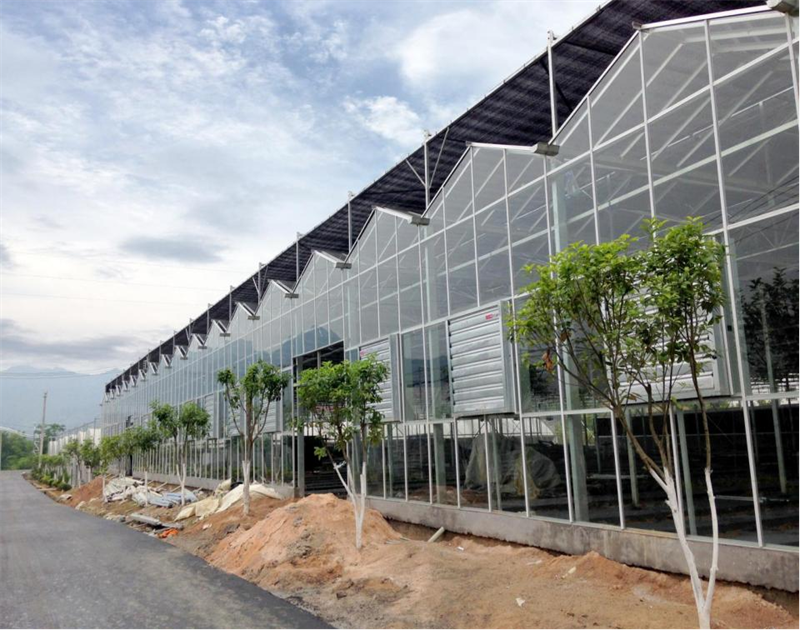
Glass itself may remain usable for a long period when it is correctly selected, supported and protected from damaging contact. That does not mean every part of the greenhouse lasts as long as the glass. Insulating glass units rely on edge seals. Framed panes rely on setting blocks, gaskets, caps and drainage. Roof vents rely on hinges, racks, motors and controls. Steel coatings, aluminum interfaces and foundations respond to their own exposure conditions.
Ask the supplier to divide the greenhouse into maintainable systems. For each one, record the product, standard, expected exposure, inspection method, replaceable parts, access method, spare strategy and warranty boundary. This makes the quotation comparable and prevents a single marketing lifespan from hiding shorter-lived components.
| System | What can age or fail | Buyer evidence |
|---|---|---|
| Glass and glazing units | Breakage, edge damage, seal failure, surface damage or incompatibility | Glass make-up, safety requirement, edge detail, certification and replacement procedure |
| Gaskets and sealants | Loss of compression, adhesion, elasticity or compatibility | Product data, joint design, substrates, exposure and inspection criteria |
| Frame and connections | Corrosion, coating damage, loose fasteners, distortion or fatigue | Material schedule, coating standard, load basis and access plan |
| Vents and equipment | Wear, misalignment, motor failure, sensor drift or control faults | Duty cycles, service intervals, alarm tests and spare-parts list |
| Foundations and drainage | Movement, cracking, settlement, water concentration or erosion | Geotechnical basis, drainage drawings, survey points and inspection plan |
Start with loads and glass selection
The responsible engineer should select the greenhouse structure and glazing for the governing local code, wind, snow, hail where applicable, thermal movement, maintenance loads and attached equipment. Pane size, support, edge clearance, glass treatment and framing detail affect performance. A phrase such as tempered glass is not a complete structural specification.
Commercial production greenhouses in Europe are commonly addressed through EN 13031-1, while other countries apply their own codes and greenhouse classifications. The purchase documents should name the applicable code and design actions. They should also identify who approves any local adaptation. Do not transfer a glass thickness or framing detail from another site without checking the loads and support conditions.
Protect edges, supports and drainage
Glass edges are critical. Chips, hard contact, incorrect setting blocks and trapped debris can concentrate stress. Review the glazing pocket, clearances, gaskets, caps, fasteners and drainage path. Water should leave the system instead of remaining against seals, frames or steelwork. Weep paths need to stay open after cleaning and maintenance.
Check compatibility among sealants, gaskets, coatings, cleaners and glazing products. The approved materials and preparation method should be recorded before replacement work begins. Field teams need instructions for handling, storage, lifting and installation so replacement panes do not arrive at the frame with damaged edges.
Inspect frame, coating and connections with the glazing
A glass panel can be intact while the surrounding frame or connection has a problem. Inspect column bases, gutters, trusses, bracing, bolts, clips, weld repairs and contact points between dissimilar materials. Look for standing water, fertilizer residue, blocked drainage, coating damage and movement. Record the exact location and compare repeat observations over time.
Coastal salt, persistent condensation, industrial pollution, fertilizer contact and aggressive cleaning can increase corrosion risk. Ask for the coating system and repair procedure that apply to each product form. The galvanized greenhouse steel guide explains why the fabrication route, component standard and field-repair evidence must be stated separately.
Keep moving systems in the lifecycle plan
Roof and side vents, shade systems and screens contain moving parts that can wear before the fixed structure. List motors, gearboxes, racks, shafts, bearings, cables, switches and controllers. Define lubrication where required, alignment checks, duty limits, manual overrides and safe access. Test alarms and safe states, not only normal movement.
A stalled vent can change greenhouse temperature and humidity quickly. The operating plan should name who receives an alarm, who can respond and which temporary action is allowed. Keep critical spares and the tools needed to replace them. Record equipment serial numbers and software or controller backups with the final drawings.
Clean glass without creating new damage
Cleaning frequency depends on dust, algae, mineral deposits, spray residues and the production program. Use the glass and coating manufacturer's approved method. Test unfamiliar cleaners on a small area, control runoff and avoid abrasive tools that can scratch surfaces or damage seals. The National Glass Association's cleaning guidance recommends practical precautions for architectural glass and emphasizes removing construction debris correctly.
Do not describe routine cleaning as a treatment that stops ultraviolet damage to glass. The maintenance purpose is to preserve light transmission, visibility, drainage and inspection access without harming the glazing system. Water quality matters because hard-water deposits can be difficult to remove. Assign responsibility for cleaning roofs, walls, gutters and internal screens separately.
Use a condition-based inspection record
Create a baseline at handover with photographs, drawings, pane and gasket references, coating records, torque or connection checks where specified, and equipment test results. During operation, use the same locations and defect categories. Urgent safety defects should trigger immediate isolation and professional review. Other findings can enter a planned repair list with owner, due date and completion evidence.
| Inspection point | Record | Possible next action |
|---|---|---|
| Glass | Crack, chip, impact, edge condition, fogging or surface damage | Protect area, identify unit, obtain specialist decision or replace |
| Seals and drainage | Gap, loss of compression, failed joint, blocked weep or leak path | Clean, test, repair with approved system or schedule replacement |
| Frame and foundation | Corrosion, coating loss, loose connection, movement or standing water | Measure, investigate cause, repair and verify drainage or structure |
| Vent and control | Noise, travel, alignment, current, alarm, sensor and safe-state result | Service, calibrate, replace wear part or revise emergency response |
Budget replacement access before construction
A replacement plan needs the pane or unit identification, dimensions, glass build-up, weight, lifting route, access equipment, isolation area, weather limit and qualified installer. Check whether crop rows, screens, gutters or pipes block the route. A low initial price can create a high future service cost if a roof pane cannot be reached safely.
Keep a controlled glazing schedule and approved drawings. If the original product becomes unavailable, require a documented substitution review for strength, safety, thickness, edge treatment, optical properties, thermal behavior, seals and framing compatibility. The greenhouse covering material guide helps compare initial envelope choices. The commercial greenhouse project planning guide helps assign design, installation and handover responsibilities.
Normalize lifecycle cost without inventing a lifespan
Compare suppliers using the same period and scope. Include initial glazing and structure, access equipment, cleaning, inspection, replacement panes or units, gaskets, sealants, vent parts, coatings, labor, crop disruption and disposal. Use local labor and equipment rates. Run scenarios for routine maintenance, isolated breakage and a larger repair event.
The result is not a guaranteed payback or service-life forecast. It is a transparent ownership model whose assumptions can be updated. Record which costs belong to the owner, installer, greenhouse supplier, glazing contractor and equipment provider. Warranty terms should identify exclusions, notification steps and evidence required for a claim.
RFQ inputs for a commercial glass greenhouse lifecycle plan
- Project coordinates, survey, soil information, local code and design loads
- Production use, temperature and humidity range, chemicals and cleaning regime
- Glass schedule, safety treatment, pane sizes, edge details and certifications
- Frame materials, coatings, connections, gutters, foundations and drainage
- Gasket, sealant, setting block and compatibility requirements
- Vent, screen, motor, sensor and control equipment duty and safe states
- Inspection points, acceptance criteria, baseline records and defect response
- Cleaning methods, water quality, access equipment and worker protection
- Replacement route, spare glazing, qualified installer and substitution review
- Freight, installation, commissioning, training, warranty and service exclusions
Technical references
Technical review: Coraline Liao, CEO and Greenhouse Technical Director at CFGET. This review frames greenhouse scope, interfaces and procurement questions. Project design and safety approval remain with the responsible professionals.
- BSI: EN 13031-1 Commercial Production Greenhouses
- National Glass Association: Proper Procedures for Cleaning Architectural Glass Products
Send the site, load basis, glass schedule, system list, access plan and responsibility matrix to CFGET. Ask bidders to identify design assumptions, replaceable parts, records, tests and exclusions.
Post time: Dec-26-2024



 Click to Chat