
Short answer: specify galvanized greenhouse steel by the governing coating standard, fabrication route, steel thickness, corrosion environment and inspection evidence. "Hot-dip galvanized" and "Z275" are not interchangeable descriptions. One may refer to coating after a steel article is fabricated, while the other is commonly used for continuously coated sheet or strip. The purchase order must state which product, standard and test record applies.
Separate after-fabrication galvanizing from continuously coated steel
After-fabrication hot-dip galvanizing immerses a completed iron or steel article in molten zinc. Standards such as ASTM A123/A123M and ISO 1461 address this route for fabricated articles. Continuously galvanized sheet, strip or tube starts with a different production route and may be specified by coating mass designations under a different product standard.
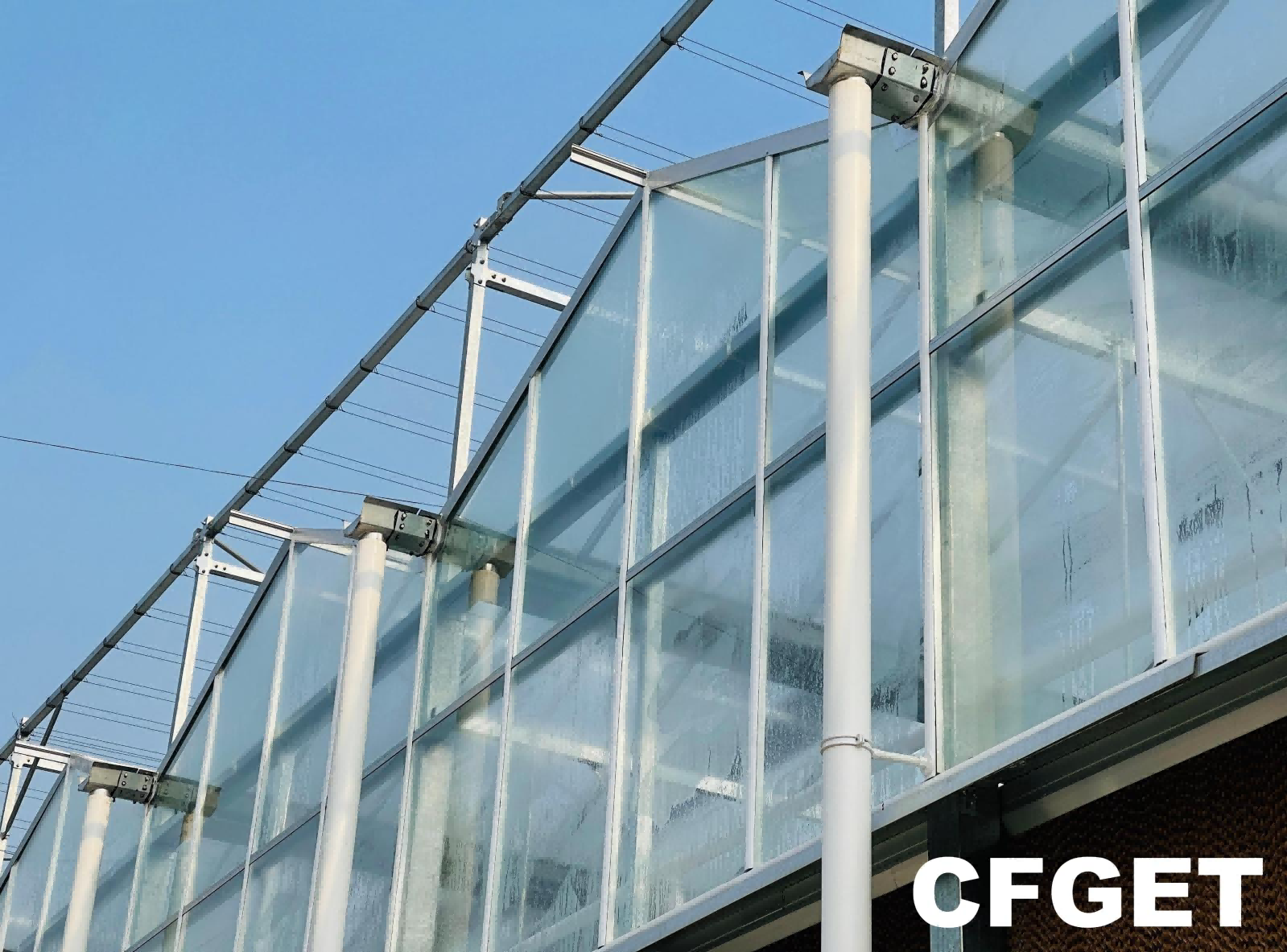
This distinction matters at welds, cut edges, holes, overlapping surfaces and internal cavities. A coating designation alone does not prove that a finished greenhouse column, truss, gutter or bracket was processed after fabrication. Ask the bidder to map every major component to its base-steel standard, fabrication route, coating standard and repair method.
Do not convert Z275 into a universal service-life claim
Z275 is commonly used as a coating-mass designation for continuously coated products. It refers to total coating mass under the applicable product standard, not automatically to one-sided thickness on any finished greenhouse member. The buyer should request the exact standard, product form, test method, tolerance and certificate. A supplier statement that says only "275 zinc" is incomplete.
Coating mass or thickness does not establish a fixed number of years in service. Corrosion rate changes with humidity, salt, industrial pollution, condensation, fertilizer contact, trapped debris, wet-dry cycling and maintenance. Design details can be as important as the initial coating because crevices, blocked gutters and water traps keep surfaces wet.
| Item to specify | Buyer question | Evidence to request |
|---|---|---|
| Product form | Is the item fabricated steel, tube, sheet, strip, gutter or fastener? | Component schedule, drawings and base-material standard |
| Galvanizing route | Was zinc applied before or after cutting, welding and drilling? | Process declaration and fabricator or galvanizer record |
| Coating requirement | Which standard, class or minimum applies to this component? | Purchase specification and certificate tied to the batch |
| Measurement | Is acceptance based on thickness, mass, appearance or all three? | Test method, sample plan, calibrated readings and acceptance limits |
| Repair | How are field cuts, welds and damaged areas restored? | Approved repair procedure, compatible materials and inspection record |
| Exposure | Are coastal salt, fertilizer, condensation or aggressive cleaning present? | Site exposure brief, drainage details and maintenance plan |
Write the coating standard into the component schedule
ASTM A123/A123M covers zinc coatings on iron and steel products fabricated from rolled, pressed and forged shapes, castings, plates, bars and strip. The American Galvanizers Association explains how ASTM specifications divide fabricated articles, hardware and reinforcing steel. ISO 1461 provides requirements and test methods for hot-dip galvanized coatings on fabricated iron and steel articles.
The greenhouse specification should not cite a standard without naming the components it governs. Columns and trusses, cold-formed purlins, gutters, brackets, bolts and small hardware can follow different material and coating routes. Put each item on a schedule with dimensions, grade, fabrication, coating, fastener and inspection fields.
Inspect design details before steel reaches the site
After-fabrication galvanizing requires drainage and venting so process liquids and zinc can enter and leave hollow sections safely. The galvanizer should review sealed cavities, overlapping plates, stiffeners and lifting points before production. Poor venting is a safety issue and can also leave uncoated or poorly drained areas.
Greenhouse details should shed irrigation water and condensation. Review gutters, column bases, bolted laps, tube ends, brackets and contact points with dissimilar materials. Keep fertilizer concentrates and cleaning chemicals away from structural storage. Provide access for washing, visual inspection and repair instead of enclosing critical joints permanently.
Use a practical receiving inspection
- Match packing lists, component marks and certificates to the approved schedule.
- Check that the certificate names the relevant product and coating standard.
- Inspect accessible surfaces for uncoated areas, damage, runs that block fit-up and sharp projections.
- Take coating readings with a calibrated method and an agreed sampling plan.
- Record the component, location, instrument, calibration check, reading and acceptance decision.
- Quarantine nonconforming items until repair or replacement is approved.
- Photograph accepted field repairs and retain the repair material and thickness records.
Appearance and thickness serve different purposes. A bright or dull surface alone does not prove coating mass, and a local reading does not replace the agreed lot sampling plan. The responsible inspector should apply the acceptance rules in the specified standard and document any permitted repair.
Plan cuts, welds and fasteners before installation
Site cutting or welding can remove zinc and expose steel. Minimize these changes by finalizing holes, brackets and interfaces before coating where the chosen route allows. When field modification is unavoidable, use the repair materials, surface preparation, application thickness and inspection method allowed by the governing specification.
Fasteners need their own corrosion and compatibility decision. A well-coated column does not protect a mismatched bolt, washer or self-drilling screw. The connection schedule should identify fastener coating, strength, installation torque where applicable, isolation from dissimilar metals and replacement access.
Compare suppliers with documents, not adjectives
Words such as durable, premium, rust-proof and maintenance-free are not acceptance criteria. Ask each bidder to complete the same component schedule and identify exclusions. Compare fabrication drawings, steel grades, coating standards, certificate traceability, test plans, repair procedures, packing protection and site responsibilities.
Confirm who checks material on arrival, who owns field damage, and how rejected parts affect the installation schedule. Packaging should prevent standing water, abrasion and prolonged contact with wet wrapping. Storage instructions need dunnage, slope, ventilation and separation from fertilizer or chemicals.
Information to include in a galvanized greenhouse steel RFQ
- Project coordinates, coastal distance, humidity, pollution and chemical exposure.
- Greenhouse type, dimensions, structural loads and attached equipment loads.
- Component-by-component base material, dimensions and fabrication route.
- Applicable coating standard, class or minimum and acceptance method.
- Requirements for hollow-section venting, drainage and inaccessible surfaces.
- Fastener, washer and dissimilar-metal compatibility requirements.
- Certificate traceability, sample plan, inspection hold points and records.
- Field cut, weld and damage-repair procedure with acceptance checks.
- Packing, transport, site storage, handling and contamination controls.
- Maintenance access, inspection intervals and owner responsibilities.
Related CFGET planning pages
Use the commercial greenhouse planning guide to assign structural and installation responsibilities. Compare envelope scope in the greenhouse covering material guide. The commercial greenhouse cost guide helps normalize supply, freight, installation and commissioning lines.
Technical references
- ASTM A123/A123M-24: zinc coatings on iron and steel products
- American Galvanizers Association: ASTM hot-dip galvanizing specifications
- BSI: ISO 1461 requirements and test methods
Comparing galvanized greenhouse structures? Send CFGET the site exposure, structural brief, component schedule and required standards. The proposal should show which coating route applies, what evidence is supplied and how field damage is accepted.