
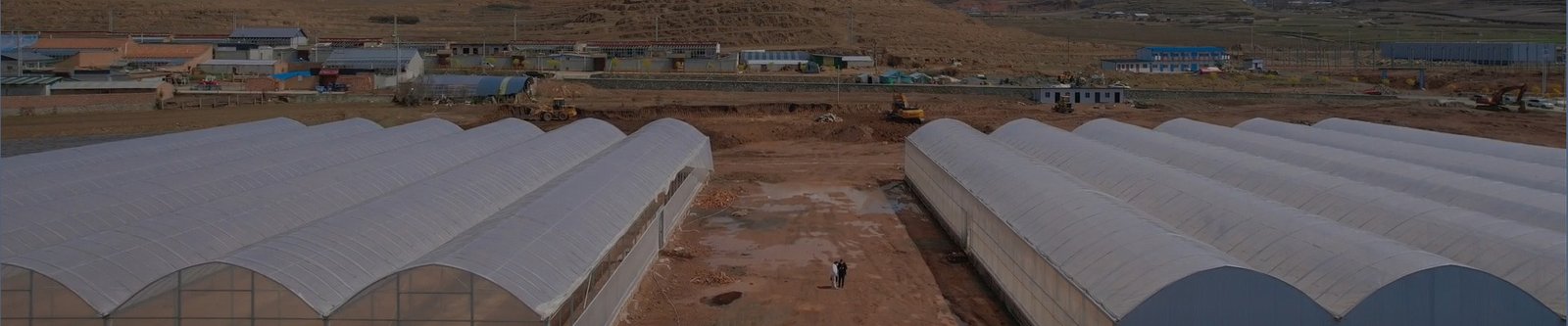
Short answer: a greenhouse does not remove production risk. It moves more of that risk into the structure, utilities, controls and operating team. The disadvantages that matter to a commercial project are capital exposure, energy demand, crop concentration, equipment failure, pest pressure, water management and the skill needed to run the facility.
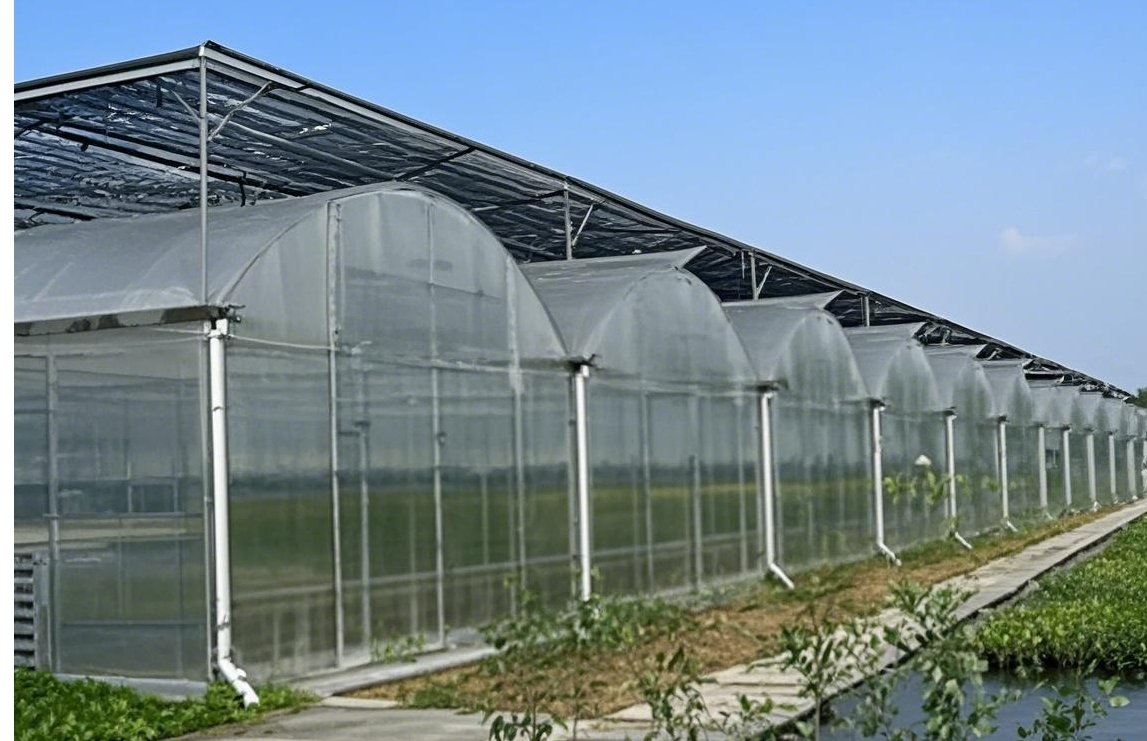
Start with a project risk register
A list of generic pros and cons is too vague for an investment decision. Record each material risk, what would trigger it, how the design reduces it, who owns the remaining risk and what evidence the supplier will provide. Keep crop and market risks in the same register as structural and equipment risks.
| Risk area | What can go wrong | Evidence to request |
|---|---|---|
| Capital and scope | Important civil works, utilities, freight, installation or commissioning are excluded from the quote | Normalized scope table, exclusions, Incoterm and responsibility matrix |
| Climate capacity | Heating, ventilation or cooling cannot hold the crop setpoints during design weather | Load basis, weather source, capacity calculations and operating sequence |
| Power and controls | A failed sensor, actuator, pump or power supply interrupts a critical crop function | Alarm list, manual overrides, backup plan and spare-parts schedule |
| Crop health | Humidity, pests or pathogens spread quickly through a dense connected crop | Zone plan, sanitation flow, scouting plan and isolation procedure |
| Water and nutrients | Source-water chemistry, drainage or dosing limits are discovered after installation | Water analysis, treatment basis, balance, discharge route and sampling points |
| Structure and covering | Loads, corrosion, drainage or replacement access were not designed for the site | Design criteria, drawings, material data, maintenance access and replacement plan |
High capital cost is only part of the budget risk
The greenhouse price is not the installed project budget. A buyer may also need surveys, permits, foundations, grading, drainage, utilities, water treatment, roads, freight, local labor, startup materials and working capital. Compare quotations only after each supplier uses the same scope boundary.
Operating cost needs its own model. Use the proposed crop schedule, local tariffs, equipment loads, labor plan, replacement intervals and expected productive area. Do not carry a cost percentage from another country or greenhouse type into the project model.
Climate control can raise energy and failure exposure
Heating, cooling, fans, pumps, screens and lighting can extend production, but they also create recurring energy use and maintenance work. The load depends on weather, indoor setpoints, covering, leakage, ventilation, crop area and control logic. A design review should show both annual demand and peak capacity.
Ask what happens when a device fails. Critical functions need alarms, a safe fallback state and a practical manual override. Where power interruptions threaten irrigation, ventilation or heating, the owner must define backup duration and the loads that receive priority.
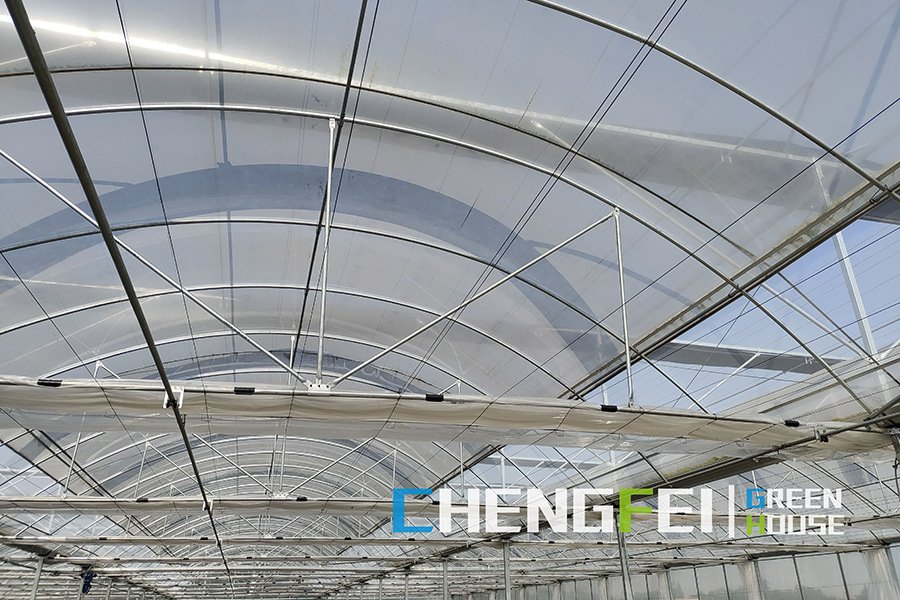
An enclosed crop still needs pest and disease controls
A greenhouse can reduce exposure to some outside pests, yet warm temperatures, high humidity and dense crops can also support rapid spread after a pest or pathogen enters. Screens add airflow resistance. Closed recirculating water systems can distribute a root-zone problem beyond one plant.
The production plan should define clean and dirty movement, incoming plant inspection, scouting frequency, crop-residue removal, tool sanitation and the response to a positive finding. Ventilation and humidity control must be coordinated with that plan rather than treated as separate equipment choices.
Structure and covering need lifecycle planning
Wind, snow, rain, corrosion and local soil conditions remain outside the controlled environment. The frame and foundation must use project design criteria. Coverings, seals, screens, pads, motors and sensors also have replacement and cleaning needs. Access for those tasks belongs in the layout before construction.
Use the energy-efficient greenhouse design guide to compare envelope and system assumptions. The commercial greenhouse foundation guide covers the site and structural inputs that should reach the foundation designer.
Commercial greenhouse risk inputs for an RFQ
- Project coordinates, site survey, soil information and applicable wind, snow, rain and seismic criteria.
- Crop, growing method, production calendar, target market and indoor climate ranges.
- Water analysis, available flow, drainage or discharge route, electricity, fuel and backup capacity.
- Structure, covering, vents, screens, heating, cooling, irrigation, lighting and control scope.
- Operator staffing, training, commissioning, remote support and local service requirements.
- Critical spares, maintenance access, replacement intervals and warranty boundary.
- Included and excluded civil works, freight, installation, permits, startup materials and taxes.
Engineering boundary: this checklist identifies project risks. It does not calculate structural capacity, crop performance, energy use, disease probability or financial return. Those results require site data, a defined crop and market plan, equipment selections and qualified local review.
Technical references
- Penn State Extension: Assessing the Risk of Disease in Greenhouses
- UMass Amherst: Greenhouse IPM Principles
- Virginia Tech: Protective Agriculture Production Series, Fundamentals
Preparing a commercial greenhouse risk review? Send the site, crop, utilities, system scope and operating constraints to info@cfgreenhouse.com. The quotation can then state its design basis, exclusions and required interfaces.