
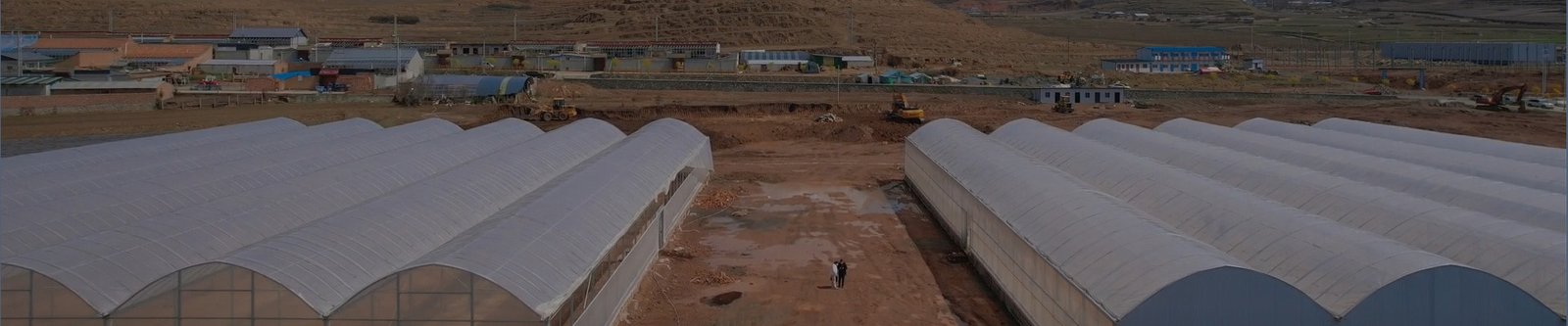
Short answer: greenhouse farming cost is the sum of project capital, annual ownership cost, crop operating cost and working capital. A structure quotation covers only part of that total. Build the budget from a defined crop, site, production calendar and supplier scope, then replace every placeholder with a local quote.
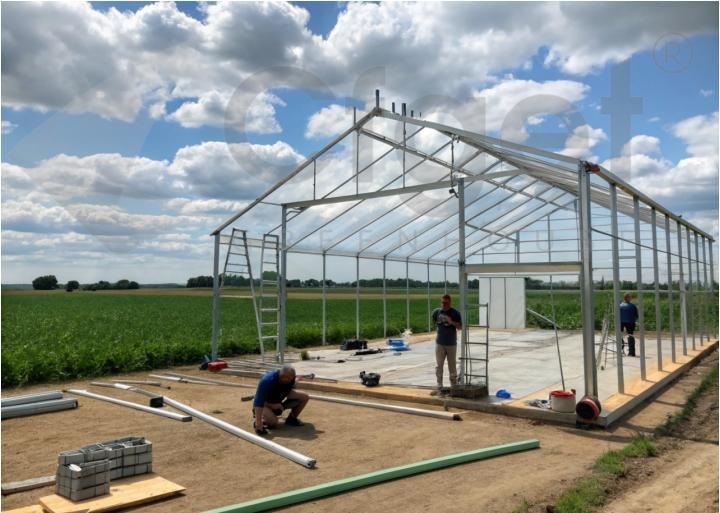
Separate the four cost layers
| Cost layer | Include | Common omission |
|---|---|---|
| Project capital | Survey, drainage, foundations, structure, covering, climate systems, water treatment, irrigation, electrical work, freight, installation and commissioning | Local civil work, utility upgrades, duty and startup spares |
| Annual ownership | Depreciation, finance cost, insurance, taxes, licenses, software and planned replacement | Cover replacement, controller renewal and debt timing |
| Crop operations | Seed or plants, substrate, fertilizer, crop protection, labor, energy, water, packaging, maintenance and waste handling | Peak labor, sanitation, failed batches and postharvest loss |
| Working capital | Deposits, planting inputs, payroll, utilities, inventory and receivable days before customer payment | Assuming cash sales start when construction ends |
The current Search Console data shows construction-cost queries reaching this page, but CFGET already has a separate construction-cost owner. This article keeps the broader farming-cost task: how a buyer combines capital, ownership, production and cash timing. Use the commercial greenhouse construction cost guide when the immediate task is to normalize supplier and contractor scope.
Define the production case before asking for a number
Area alone is not enough. Record the project coordinates, crop, growing method, planting density, production months, target indoor conditions, packing format and expected expansion. Add local wind, snow, rainfall, temperature, humidity, water analysis, available power and fuel. These inputs change both the equipment list and the operating budget.
A seasonal film house for rain protection does not carry the same cost base as a glass house with heating, screens, fertigation, lighting and backup power. Quotes can share the same floor area while describing different facilities. The comparison sheet must state what is included, optional, supplied locally or excluded.
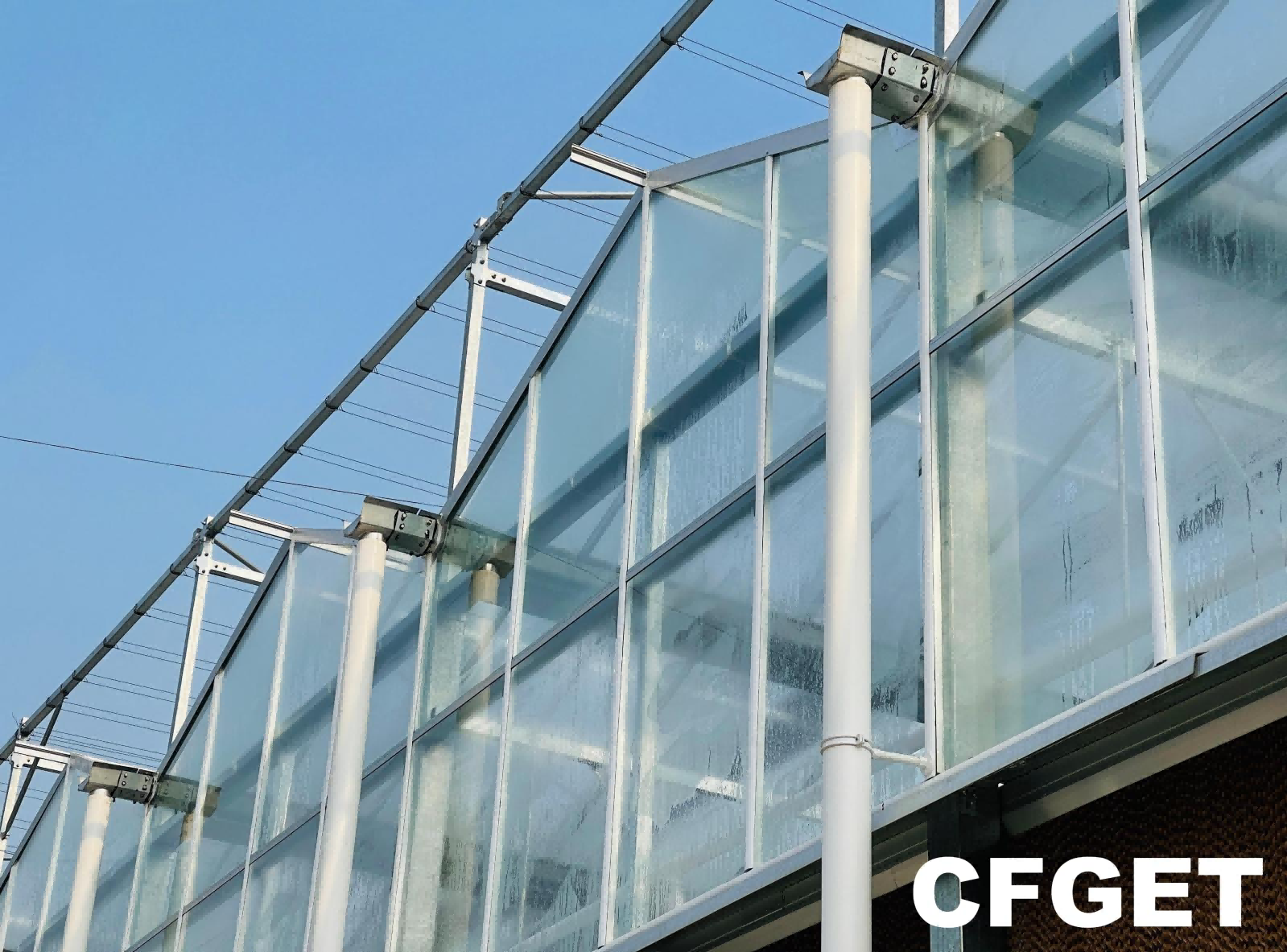
Build operating cost by activity and month
List each crop activity, the labor hours it needs and the month when the work occurs. Do the same for heating fuel, electricity, water, fertilizer, substrate, packaging, maintenance and disposal. A yearly average can hide the month when payroll, energy and crop inputs peak before harvest receipts arrive.
Mississippi State University Extension separates capital, fixed overhead and direct crop costs in its greenhouse tomato budgets. The figures are specific to the publication's location and assumptions, so they should not be copied into another project. The useful method is the classification: ownership costs continue even when no crop is sold, while direct costs change with the production cycle.
Test a downside case before accepting the base case
Run the model with a lower saleable yield, weaker selling price, delayed startup, higher energy tariff and slower customer payment. Change one assumption at a time. This shows whether the result depends on a single optimistic input.
- Use packed and sold output, not biological yield.
- Charge owner and family labor at a stated rate.
- Include downtime, repairs and replacement intervals.
- Model the month of each cash payment and receipt.
- Keep taxes, grants and finance terms outside the supplier's technical promise.
Normalize supplier quotations
Ask each bidder to return the same scope schedule. Require design conditions, dimensions, steel and covering specifications, equipment capacities, power and water demand, controls, installation responsibility, tests, training, spares, warranty and exclusions. A low total is meaningful only after these fields match.
UMass Extension recommends planning the greenhouse, headhouse, utilities, drainage, access and expansion together. That matters to the budget because material flow and future utility capacity are expensive to correct after the site is built. The commercial greenhouse project planning guide assigns these design and delivery responsibilities. Use the separate greenhouse investment guide for the wider market and financing decision.
RFQ inputs for a greenhouse farming budget
- Country, city, coordinates, site plan and expansion boundary.
- Crop, growing method, production calendar and saleable pack format.
- Greenhouse area, bay dimensions, height and preferred covering.
- Local weather, structural loads, water analysis, power and fuel.
- Heating, cooling, shade, lighting, irrigation and control duty.
- Site work, foundations, drainage, roads and utility responsibilities.
- Delivery term, freight, duty, installation labor and lifting equipment.
- Commissioning, training, spares, warranty and handover documents.
- Planned crop labor, utility tariffs, packing and maintenance assumptions.
- Budget boundary, payment schedule and required startup date.
Technical and business references
- Mississippi State University Extension: Greenhouse Tomato Budgets for Mississippi
- UMass Extension: Design and Layout of a Small Commercial Greenhouse Operation
Preparing a comparable greenhouse budget? Send CFGET the site, crop, area, utilities, production months and delivery scope. Ask every bidder to complete the same responsibility and cost schedule.