
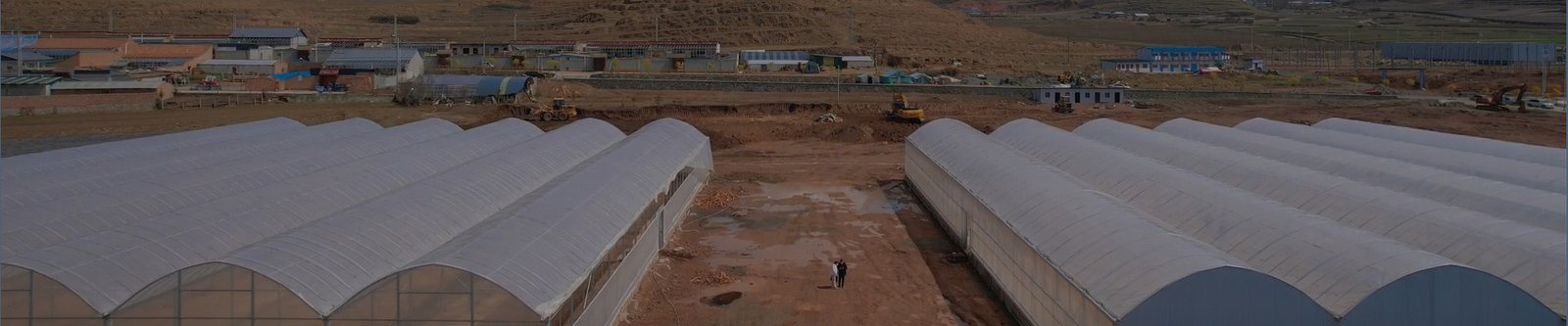
Short answer: greenhouse agriculture can be worth the investment when the crop has a defined buyer, the expected selling window supports the margin, and the facility can reach a high productive utilization rate. A greenhouse does not create a market by itself. Test the sales plan, operating costs and working-capital requirement before choosing the structure.
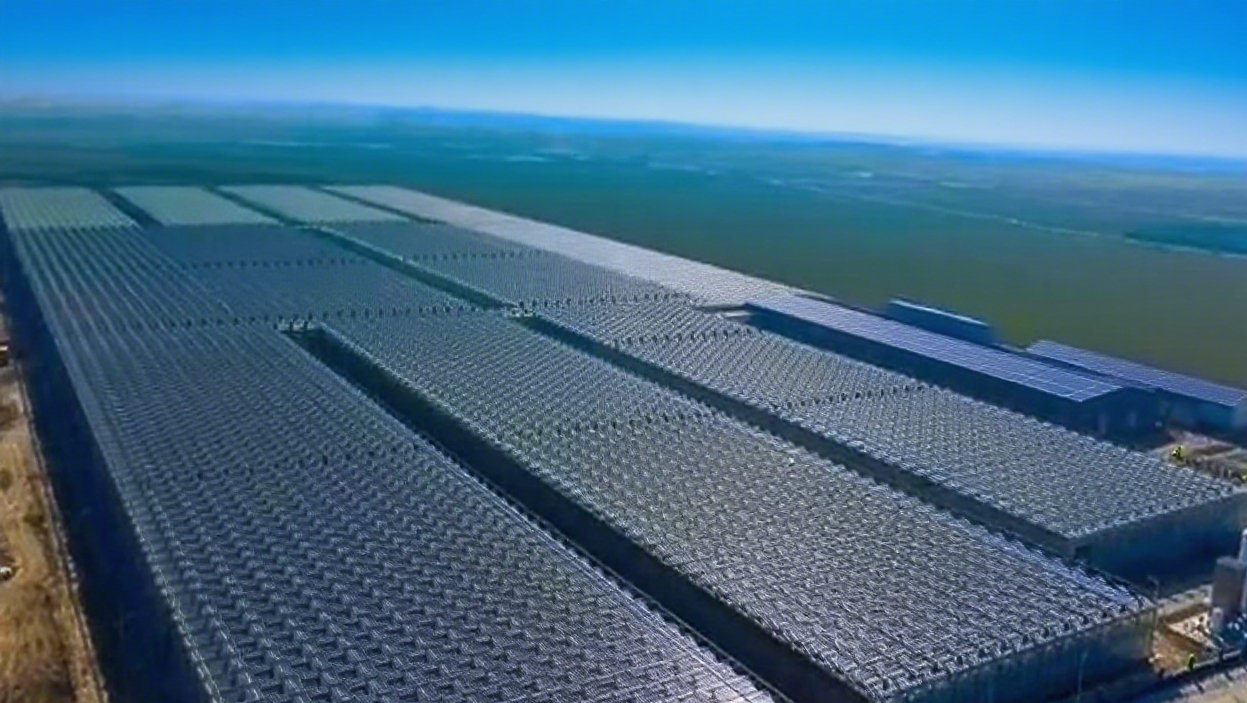
Start with the buyer and crop plan
The first question is not how much greenhouse area to buy. It is who will buy the crop, in what months, at what grade, and under which delivery terms. A wholesale tomato program, a transplant nursery and a cut-flower operation use different production systems and face different price risks. Using one generic return figure for all three would hide the decision that matters.
Before requesting a greenhouse quotation, document the target market, saleable unit, expected grade-out, harvest calendar, payment terms and backup channel for unsold volume. Kansas State's greenhouse business guide describes greenhouse production as a capital- and labor-intensive operation with perishable output. That is why a market check belongs before the structure selection.
Build the investment model in four blocks
| Block | Include | Common omission |
|---|---|---|
| Capital cost | Structure, covering, foundation, climate systems, irrigation, electrical work, water treatment, freight, installation and commissioning | Site work, utility upgrades, import charges and spare parts |
| Operating cost | Seed or planting material, substrate, fertilizer, crop protection, labor, electricity, fuel, water, packaging and maintenance | Heating peaks, cleaning, replacement film and off-season labor |
| Revenue | Saleable yield, realistic selling price by month, crop turns and marketable grade | Using biological yield instead of packed and sold yield |
| Cash timing | Deposits, construction draws, planting cost, ramp-up time, receivable days and operating reserve | Assuming revenue starts as soon as construction ends |
Operating contribution = crop revenue minus crop-specific variable costs. Project cash flow then subtracts labor, utilities, maintenance, debt service, taxes and capital spending on the dates those payments occur.
Michigan State University provides a greenhouse cost-of-production spreadsheet that separates direct and indirect costs. Virginia Tech's enterprise-budget guidance also treats the budget as a structured estimate of revenue, variable cost and fixed cost. Use these tools as a model format, then replace every sample value with local quotations and your own production assumptions.
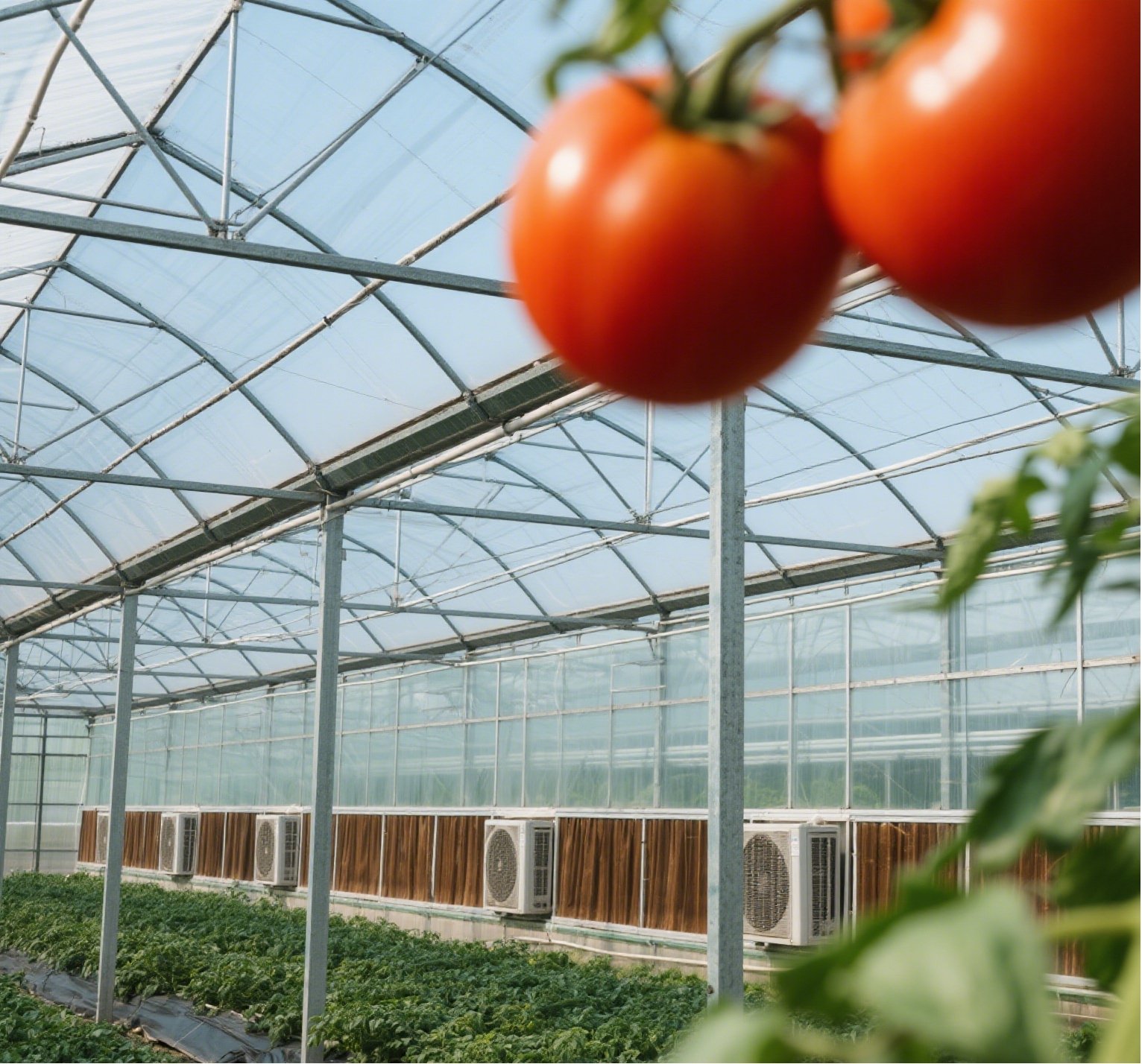
Test downside cases before the base case
A base-case spreadsheet often looks attractive because every input is an average. Procurement decisions are safer when the model also shows a weak selling price, a delayed first harvest, lower grade-out, higher energy cost and lower greenhouse utilization. Change one input at a time so the team can see which assumption drives the result.
- What happens if the selling price falls during the main harvest window?
- How many weeks of operating cash are needed before the first customer payment?
- Can the heating and cooling estimate be traced to local weather data and the proposed covering?
- Which crop tasks set the peak labor requirement?
- What production can continue if a pump, fan, boiler or controller is out of service?
When greenhouse agriculture is a poor investment
The project deserves another design round if its return depends on an untested premium price, perfect utilization, free family labor or a utility cost copied from another country. The same applies when a supplier quote omits the foundation, electrical scope, water treatment or commissioning. A low structure price can produce a high completed-project cost.
It may also be sensible to start with a smaller production block. That lets the operator validate customers, crop protocols and labor productivity before adding bays. Expansion provisions should be designed at the start, including site drainage, utility capacity and the direction of future spans.
Information to send with an investment inquiry
- Project location and site dimensions.
- Crop, production method and annual crop calendar.
- Target market, pack format and required delivery months.
- Available electricity, fuel, water quantity and water analysis.
- Local wind, snow and temperature design data.
- Budget range, financing timing and required commissioning date.
The next step is to compare every supplier against the same scope. Our commercial greenhouse cost guide explains why shell-only and production-ready prices are not comparable. The project planning guide covers the information needed before layout and equipment selection.
Technical and business references
- Michigan State University: Greenhouse Cost of Production Spreadsheet
- Mississippi State University Extension: Starting a Greenhouse Business
- Virginia Tech: Enterprise Budgets in Farm Management Decision-Making
- Kansas State University: Commercial Greenhouse Production Planning
Preparing a greenhouse feasibility model? Send the location, crop, target output period, utilities and site dimensions to info@cfgreenhouse.com. CFGET can define the technical quotation scope needed for a comparable project budget.