
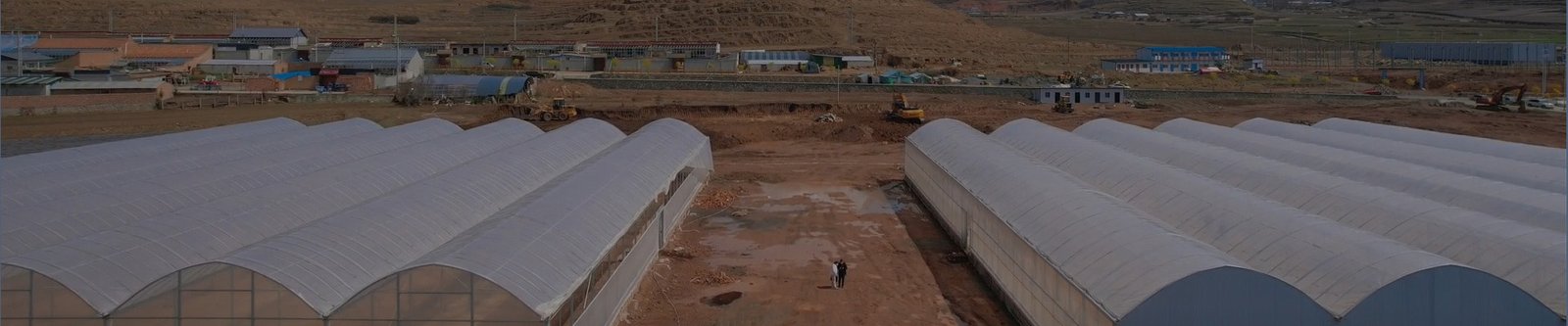
A narrow aisle adds planting positions on the plan. It can also force every full harvest cart to reverse, wait or be unloaded twice. The extra crop area is not automatically a net gain if the layout slows the busiest operation of the week.
Before fixing row and aisle widths, test the actual cart, crate and worker movements with a full-size mockup. Evaluate the whole route from picking position to weighing, cooling and return, not just whether an empty trolley fits between two lines.
Choose the vehicle before measuring the route
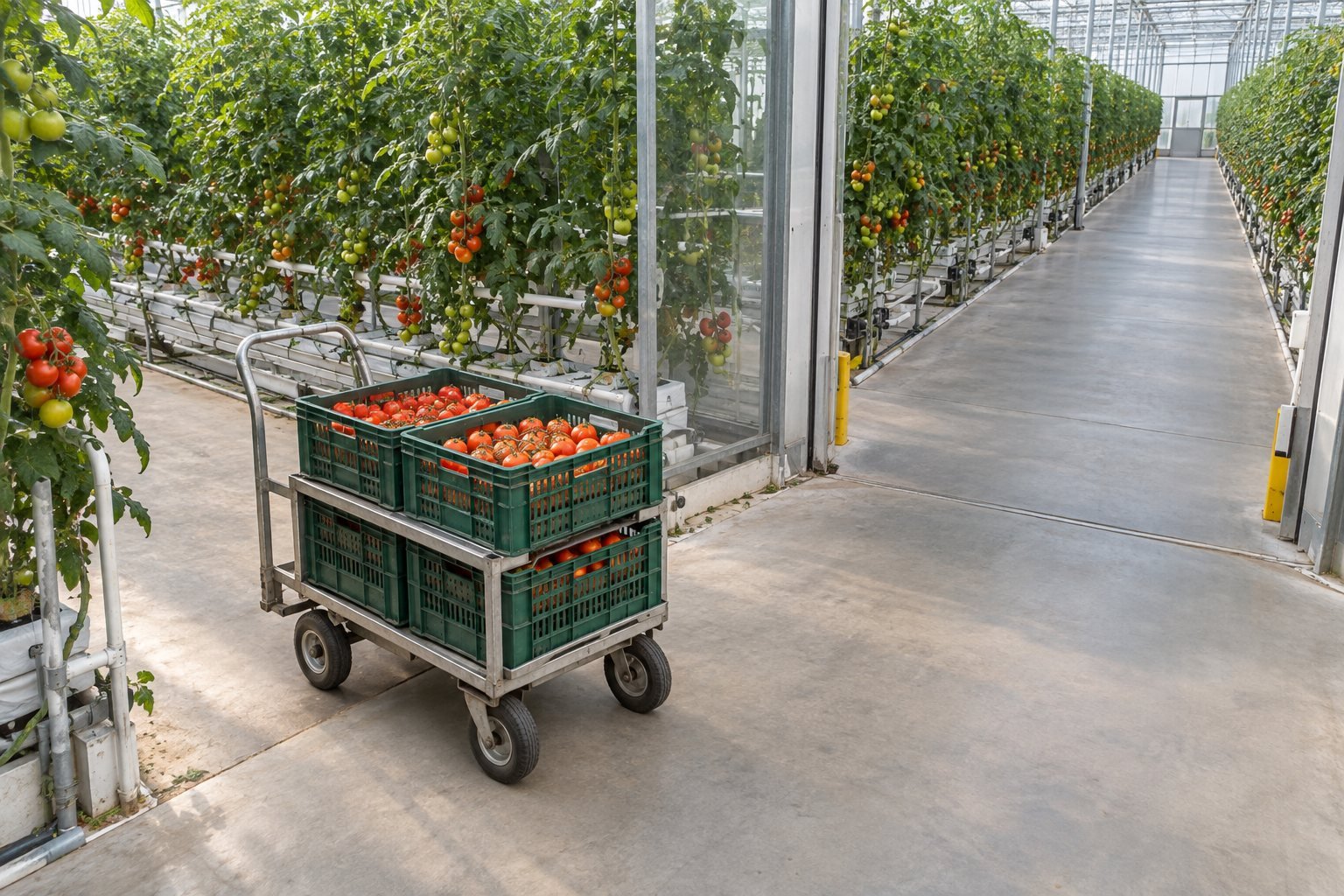
Record the cart's maximum loaded envelope, wheel arrangement, turning behavior and safe operating load. Include protruding handles and crates, not only the chassis width. Check whether the intended floor, slope, threshold and drainage channels suit its wheels and braking arrangement.
The NIOSH farm-worker ergonomics guide discusses practical handling aids and task design. It supports examining how work is performed; it does not supply one universally safe cart weight or greenhouse aisle width. Those require equipment instructions, local safety requirements and an assessment of the actual task.
Mark out a realistic trial route
Use temporary floor markings or a safe nonproduction area to represent crop rows, doorways, columns and turning points. Simulate the loaded dimensions and use a safely managed representative load. Include a second worker or cart where passing occurs during normal operation.
| Route segment | What to observe | Layout response to investigate |
|---|---|---|
| Within the crop row | Access to fruit, plant contact and space for the picker | Cart envelope, crop training and clear working width |
| Row end | Turning, reversing and collision risk | Headland space and one-way movement |
| Door or threshold | Waiting, tipping risk and repeated opening | Door position, level changes and traffic sequence |
| Weighing or transfer | Queue length and unnecessary lifting | Staging capacity and transfer height |
| Empty-cart return | Conflict with loaded traffic or hygiene boundaries | Separate return route or timed movement |
Measure waiting as well as travel
Time picking, travel, waiting, unloading and return separately. A faster cart will not solve a queue at one scale. Repeat the observation under representative operating conditions; one quiet trial does not establish peak capacity.
Suppose a hypothetical route handles 60 trips in a shift. Removing two minutes of avoidable waiting per trip releases 120 minutes of task time. That is not automatically two paid labor hours saved: the time may instead support more harvest, earlier cooling or less overtime. State which outcome the business can actually use.
Also record dropped or damaged produce, plant contact and unsafe handling. A route that is faster only because the operator overloads the cart is not an improvement.
Compare area loss with operating value
When a wider service aisle removes growing positions, compare the lost productive capacity with the observed handling benefit using realistic yield and price assumptions. Keep those assumptions visible. Do not claim an ROI from hypothetical time savings or unverified crop yields.
Some clearances are not economic tradeoffs: emergency access, equipment service and legally required routes must meet the applicable requirements. Have the responsible professionals confirm them before final layout approval.
Check the floor and the postharvest destination together
The greenhouse floor guide helps assess surface and drainage choices. The precooling planning guide covers the destination of the harvested crop. A smooth greenhouse route has limited value if warm produce then waits outside an undersized cooling area.
For a CFGET layout review, send cart dimensions, crate format, expected peak trips and the mockup observations. Request a route drawing showing loaded movement, turning and service access. Make the acceptance question concrete: can the normal crew move the planned harvest through the building without repeated handling or unsafe shortcuts?