

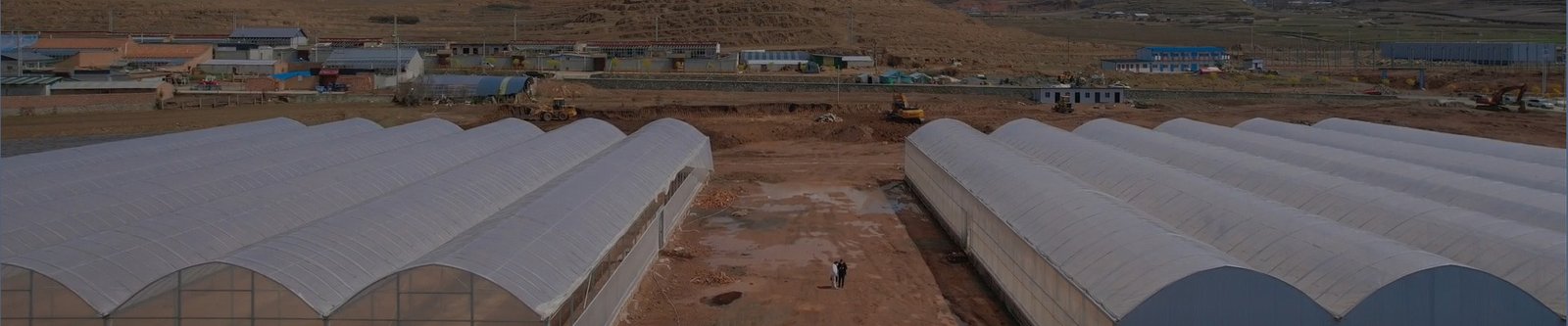
When an inflated double-poly cover goes slack, first establish whether the problem affects the whole envelope or one section. A stopped blower, a blocked intake, a disconnected air tube and a torn sheet can produce similar-looking symptoms. Raising blower output before locating the fault may conceal a leak or put unnecessary strain on the covering.
This procedure is for greenhouses with two film layers held apart by a small inflation blower. It does not apply to rigid glazing or a single film cover. If the cover is moving violently, carrying snow or pulling out of its fixing system, keep people clear and follow the greenhouse supplier's emergency instructions.

Contents
Look at the shape before touching the controls
Walk the accessible perimeter from ground level. Note where the layers touch, whether the end walls behave differently from the roof, and whether the change appeared suddenly or developed over several days. A phone photograph taken from the same position is more useful than a description such as “a little softer today.”
The inflation circuit matters. A separate wall section can lose its air supply while the roof remains inflated. Florida greenhouse guidance describes double-film roof and wall arrangements supplied by inflation blowers; the layout on your own greenhouse determines which sections share an air space. Find that layout before treating a local collapse as a whole-house blower failure. UF/IFAS greenhouse design guidance
| What you can observe safely | Where the investigation starts |
|---|---|
| Every connected section slack; blower silent | Power supply, controller status and blower condition |
| Every section slack; blower running | Intake obstruction, air delivery tube and large leaks |
| One section slack; adjacent sections normal | That section's air connection, film edges and local damage |
| Cover loses shape mainly in wind | Fixings, leaks and actual operating pressure under those conditions |
These are starting points for inspection. They do not identify the failed component by themselves.
Follow the air from intake to cover
A running motor does not prove that air reaches the film cavity. From a safe position, look for a blocked intake screen, a crushed or detached tube, and visible openings where air escapes. Electrical faults, guards and moving components belong with a qualified service person; disconnect equipment according to its instructions before any permitted maintenance.
Then inspect reachable film edges and attachment points. UConn identifies stress around attachments, abrasion against rough surfaces and heat at structural members among causes of premature film deterioration. A patch elsewhere on the roof will not solve an opening along a loose fixing. Use the repair material and fixing method approved for the installed cover. UConn: Plastic Film Update
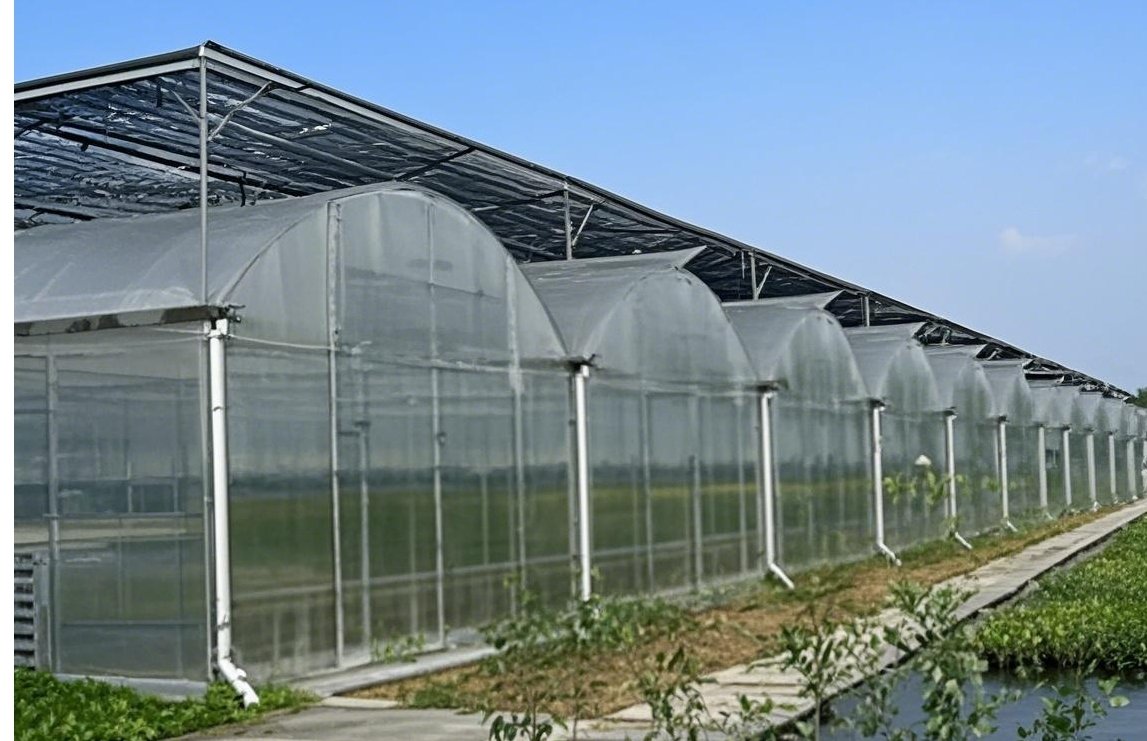
Use pressure to confirm the repair
UConn gives ¼ inch of water static pressure as a general inflation reference, approximately 62 Pa after unit conversion. This is a low air pressure, not ¼ psi. It is also not permission to override the specification for your film, blower or fixing system. Measure through the intended test point using a suitable low-pressure instrument, and use the installation's specified operating range. Do not puncture the covering to improvise a test port. UConn: Plastic Film Update
Record the pressure before and after the repair, together with the blower setting and wind conditions. A cover that looks fuller immediately after adjustment has not yet demonstrated that it will remain stable through the next operating period.
Condensation can point to the air source
Water between the sheets deserves attention, but it is not proof of a puncture. Both UConn and UF/IFAS recommend taking inflation air from outside to reduce condensation between the layers. UF/IFAS also warns against drawing greenhouse air containing pesticide residues into the cavity. Trace where the intake actually draws its air; do not assume that a blower mounted indoors necessarily has an indoor intake. UF/IFAS greenhouse design guidance
Keep the fault record simple: affected section, blower status, visible damage, measured pressure, repair and follow-up observation. If the air space is restored but temperatures remain uneven, continue with the greenhouse climate sensor placement guide before changing heating settings. Inflation and crop temperature are related parts of the system, but they need separate measurements.
Published: 2026-10-03


 Click to Chat