

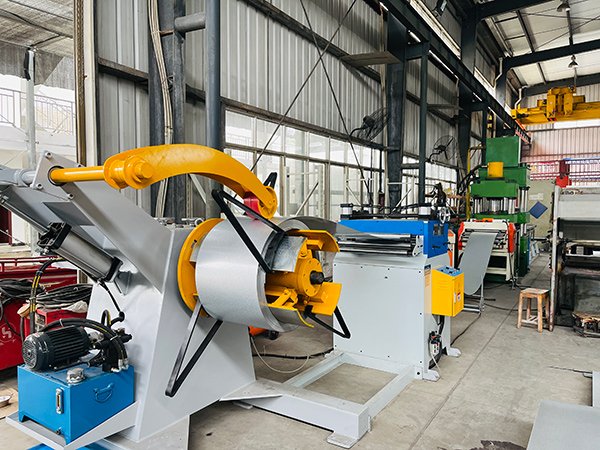
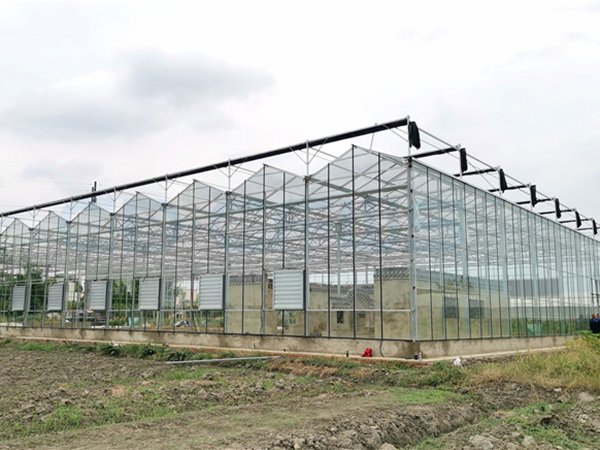
A factory tour can confirm that equipment and people exist. It cannot prove that a proposed greenhouse suits your wind, snow, crop, utilities or local approval process. Those questions need project documents.
Ask for evidence behind each claim
| Supplier claim | Evidence to request | What to compare |
|---|---|---|
| Designed for your location | Named code, design loads, calculations, drawings and foundation reactions. | Whether assumptions match the exact site and the local review process. |
| Good materials | Member schedule, grades, dimensions, coating records and covering data sheets. | Declared values, tolerances, traceability and approved substitutions. |
| Complete greenhouse | Itemized bill, interface matrix, exclusions and by-others list. | Structure, envelope, systems, utilities, civil work, controls and handover scope. |
| Easy installation | Packing list, labels, erection sequence, manuals, tools and supervision scope. | Site labor, lifting, temporary bracing, tolerances and issue-response process. |
| Reliable support | Written warranty terms, claim route, spare-parts list and document revisions. | Response responsibilities, exclusions, lead times and component continuity. |
Normalize quotations before choosing a supplier
Give each bidder the same site data, crop plan, area definition, design loads, environmental criteria and responsibility schedule. Mark every line as included, excluded, provisional or by others. A low price may simply omit foundations, freight, controls, commissioning or local engineering.
Verify the factory without overreading the evidence
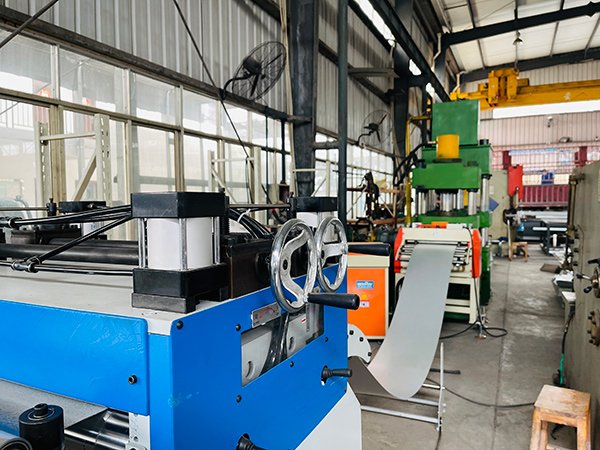
- Use a live or dated factory review to confirm the address, equipment and production activity.
- Match equipment to the proposed member sizes and processes.
- Sample material and inspection records for a real production batch.
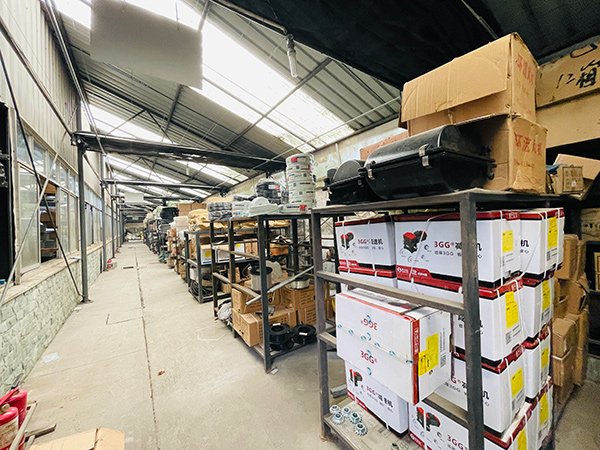
- Check packing labels and drawings for the same order rather than unrelated samples.
- Verify any certificate with the issuer and confirm that its scope covers the relevant product and site.
- Use an independent inspection when project risk justifies it.
Commercial greenhouse supplier scorecard
- Site-specific engineering basis and local approval responsibilities.
- Crop, climate, irrigation and environmental-system integration.
- Material schedules, substitutions, inspection and document control.
- Quotation completeness, Incoterm, packing and delivery interfaces.
- Installation method, supervision, safety and acceptance tests.
- Training, manuals, warranty, spare parts and post-handover support.
Send one RFQ that every bidder must answer
Share the site, crop, layout, design conditions and scope matrix. We can respond against the same project brief you use to compare other greenhouse suppliers.
Request a project-scope discussionFrequently asked questions
Is the lowest greenhouse quotation the best value?
Not unless the technical basis, quantities, exclusions, delivery terms and handover scope are comparable. Normalize the offers first.
How can a buyer verify a greenhouse factory remotely?
Use a live walkthrough, dated production evidence, registration checks and order-specific drawings, material records and packing documents. An independent audit adds confidence for higher-risk orders.
Which certifications should a greenhouse supplier have?
The answer depends on the product, contract and destination. Ask the project engineer or authority what applies, then verify the issuer, validity and exact scope of every certificate.
Planning reference: Government of British Columbia, Greenhouse Checklist. Use local structural, building, electrical and procurement requirements for the final supplier evaluation.



 Click to Chat