
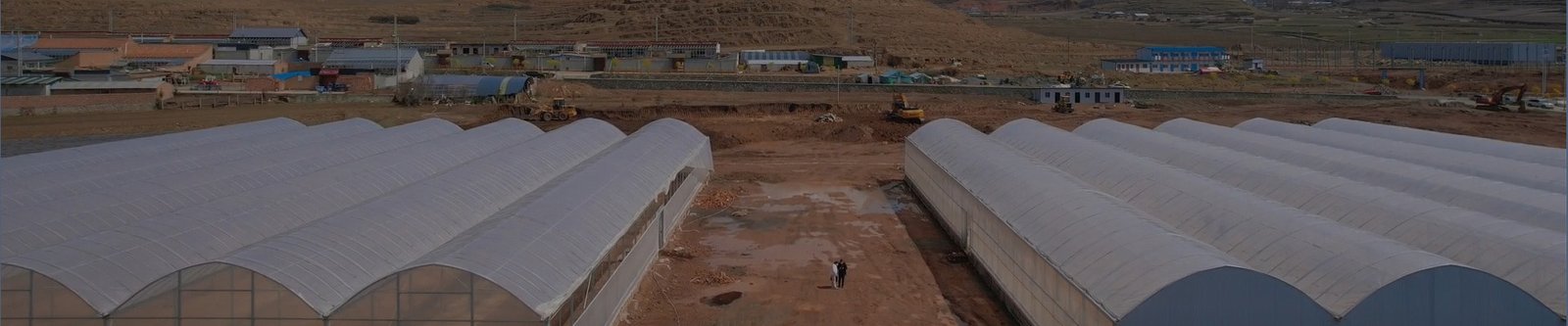
Permeable greenhouse weed mat can still have puddles on it when water arrives faster than it can pass through the fabric and the layers below. The restriction may be a dirty surface, a low spot, a compacted base, a blocked outlet or an irrigation leak. Replacing the mat without locating that restriction can leave the same puddle in place.
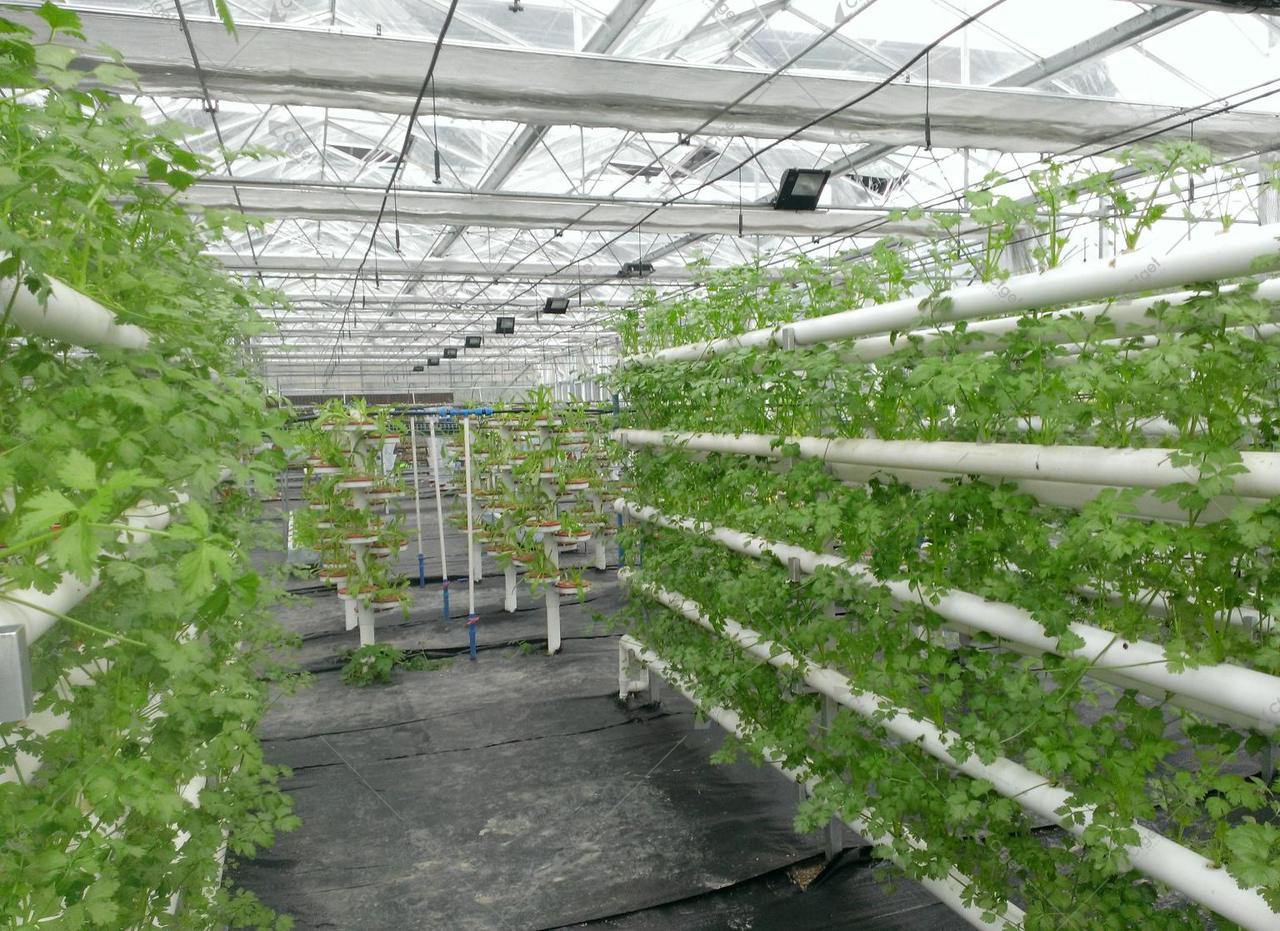
Start by recording where the water comes from, how long it remains and whether it appears only after irrigation or also after rain. Those observations help distinguish a floor problem from a water-delivery or roof-drainage problem.
Follow the water from source to outlet
Sketch the wet area and mark benches, irrigation pipes, door thresholds, gutters and drains. Photograph it immediately after the event and again as it drains. Use the same viewpoint so the outline and persistence can be compared.
Check for a leaking pipe, an emitter discharging outside a pot or water entering beneath a door. A localized leak can overwhelm an otherwise functional floor. If rain causes the problem but irrigation does not, inspect the route from roof and external ground before blaming the fabric.
Do not judge slope from appearance alone. A level or measured elevation survey can reveal a depression that is difficult to see through woven cloth. Establish where the water is supposed to leave the greenhouse and whether that route is clear.
Separate the fabric from the base beneath it
Where access is safe and lifting a small edge will not damage the installation, inspect the fabric and underlying material with the installer. Look for accumulated growing medium, roots, algae, multiple overlapping layers and a base that remains saturated. Restore the installation after inspection so the lifted edge does not become a trip hazard.
Use a spare clean piece of the same fabric, if available, to compare wetting and drainage with a dirty area under modest, controlled water application. This comparison is only a diagnostic aid. It does not measure the infiltration capacity of the installed floor or justify flooding the house as a test.
| Finding | Likely next investigation |
|---|---|
| Clean fabric passes water but the installed area drains slowly | Deposits, overlaps, contact with the base or saturation below |
| The same low area fills after several different water sources | Floor grading and the drainage route |
| Only the area beneath one irrigation line becomes wet | Delivery leaks, overspray or excess discharge |
| Water backs up near a drain or threshold | Outlet obstruction, outlet level or external runoff |
| Wetness appears across the whole floor after heavy rain | Site drainage and water entering the structure |
The Oklahoma State greenhouse floors and benches guide treats the floor as part of greenhouse design, including drainage and working surfaces. A fabric label alone cannot establish that the layers and outlet beneath it will handle the site's water.
Correct the smallest confirmed cause first
Repair a verified leak and repeat the observation before commissioning floor reconstruction. Remove loose deposits using a method suitable for the fabric. Clean an accessible outlet according to the site's procedure. If the problem remains in a measured low spot, have the installer assess grading and the underlying drainage arrangement.
Do not cut random holes through the mat or excavate an improvised drain beside posts. That can create weed entry points, uneven walking surfaces or interference with foundations and buried services. A drainage modification needs a defined route and a suitable discharge destination; recirculating irrigation and local runoff requirements may affect what is acceptable.
Likewise, adding gravel on top of an unexplained puddle can conceal the observation without correcting the cause. Decide whether the defect is in inflow, fabric, base or outlet before selecting a repair material.
Treat algae as evidence of persistent wetness
Algae can make greenhouse floors slippery and complicate pest management. Oklahoma State's algae-control guidance links management with moisture and sanitation. Cleaning the surface is useful, but rapid regrowth should trigger another look at the water source and drying conditions.
Use cleaning products only where their label permits and where they are compatible with the floor and crops. Keep traffic away from slippery areas during work. Record the cleaning method separately from the drainage repair so you can tell which change affected the recurring wetness.
Verify the repair under normal use
Repeat a normal irrigation cycle and inspect after the next relevant rain event. Keep the timing and photographs comparable with the original record. Check adjacent areas too: moving the puddle a few metres is not the same as providing a working drainage route.
Our greenhouse flooring guide helps compare floor choices. For an existing wet floor, keep the repair decision tied to the observed cause, the work completed and the result under ordinary operating conditions.