
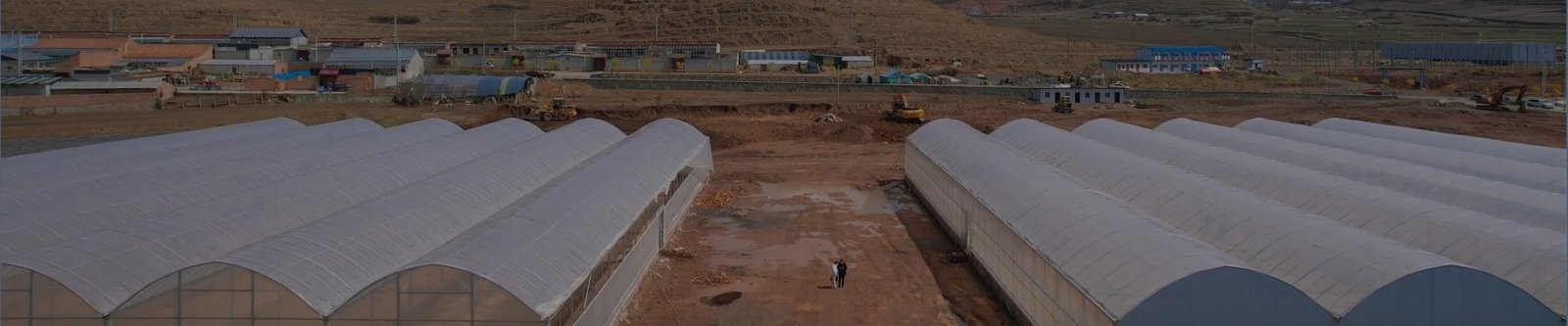
A greenhouse irrigation system needs to deliver the required water consistently to each crop zone using the available source and operating schedule. Define those zones first, then check emitters, pipework, valves, filtration, pumping and controls as one hydraulic system.
Describe each zone
Record the crop, container or growing system, area, emitter arrangement and expected operating windows. Identify zones that may run together and those that must remain separate. Include flushing and maintenance demand when explaining how the system will operate.
Give the designer the available source flow, storage arrangement, elevation changes and pipe route. A pump selection based only on a catalog flow rate can miss pressure losses and the required operating point.
Use a component interface schedule
| Component | Information to confirm |
|---|---|
| Water source | Available supply, seasonal variation and analysis results |
| Storage | Usable capacity, refill conditions and low-level response |
| Filtration | Suitability for the water and emitters, cleaning method and maintenance access |
| Pump | Required duty, control method, protection and service access |
| Valves and pipes | Pressure range, connection type, material suitability and installation details |
| Emitters | Operating conditions, flow variation and flushing requirements |
| Dosing equipment | Compatibility, calibration method and safeguards against incorrect operation |
Water testing helps determine equipment needs. UMass recommends analyzing irrigation water before new construction. A pH reading by itself does not describe the full water chemistry or identify every potential clogging problem.
Decide how irrigation is scheduled
Document whether decisions use time, accumulated conditions, measured substrate status or another method. Define who can change the schedule and how changes are recorded. Keep an approved manual procedure for a controller or communication failure.
Account for drain or runoff handling where relevant. If water is recirculated, include treatment, monitoring and separation requirements appropriate to the crop and production system. Do not connect a return-water loop as an afterthought to a once-through design.
Commission with measurements
Check actual pressure and delivered volume at representative locations and operating combinations. Investigate uneven delivery before accepting a longer runtime as the solution. Verify filter cleaning, flushing, low-level protection and alarm messages against the agreed test plan.
Keep baseline measurements for later troubleshooting. A change in delivery after installation can then be compared with the original condition instead of relying on memory. Hand over component manuals and identify the spare parts needed for routine service.
Questions to settle before ordering
Is drip irrigation always the right choice?
The crop and growing method determine the suitable delivery method. Compare the operational requirements of each option with the grower.
Can one pump serve several zones?
Yes, where the hydraulic design and permitted operating combinations support it. State the combinations in the control specification.
Send Chengfei Greenhouse the zone layout, water report, source information and proposed operating schedule so interfaces can be discussed before equipment is selected.
Further reading
UMass Extension: Water Analysis. The checklists are proposed operating and procurement tools; project limits require qualified review.