
The short answer
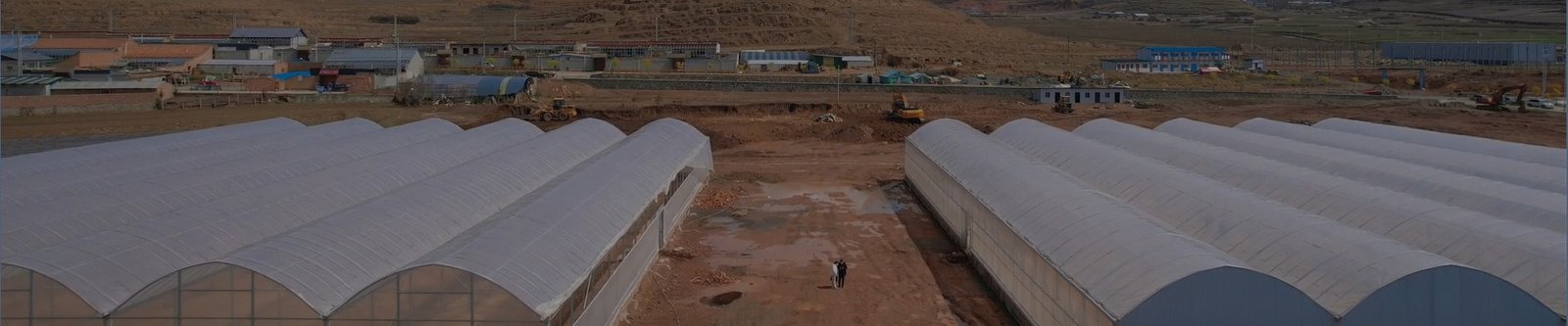
Begin with the business and operating change the expansion must deliver: crop, market, saleable volume, timing, quality, labor and cash. Survey the existing site and assets, including property, levels, drainage, access, permits, structure, utilities, controls, roads and shared support buildings. Create a full build-out master plan with several layout and phasing options. For each phase, calculate peak and seasonal demands, remaining capacity, redundancy, shutdowns, temporary routes, biosecurity, construction separation, commissioning and effect on current crops. Reserve corridors, connection points and land for later phases, then approve the first phase only when it preserves a credible path to the intended final operation.
Greenhouse area is only one part of capacity. Propagation, headhouse, water storage and treatment, boilers or heaters, electrical service, backup power, carbon dioxide, cold storage, packing, waste, staff facilities, loading, roads and management can become the actual bottleneck. Measure throughput and peak demand across the complete operation.
An existing system may have spare nameplate capacity but lack hydraulic, electrical, control or resilience capacity at the proposed connection. Verify simultaneous peak cases and failure modes. Expansion should not remove the redundancy that protects the current crop or make future maintenance require a site-wide shutdown.
This guide is an operating-control framework, not a substitute for the approved design, crop protection plan, product labels, manufacturer instructions, employment and safety procedures, local law, or advice from qualified growers, engineers, water-treatment specialists, plant-health advisers, and safety professionals.
What the buyer should control
| Control point | Required record or action | Release evidence |
|---|---|---|
| Business and production case | Define market, crop, volume, quality, season, sales timing, current constraint, production method, labor, capital, operating cost, working capital and decision threshold. | Approved business case states what expansion must improve and how success will be measured. |
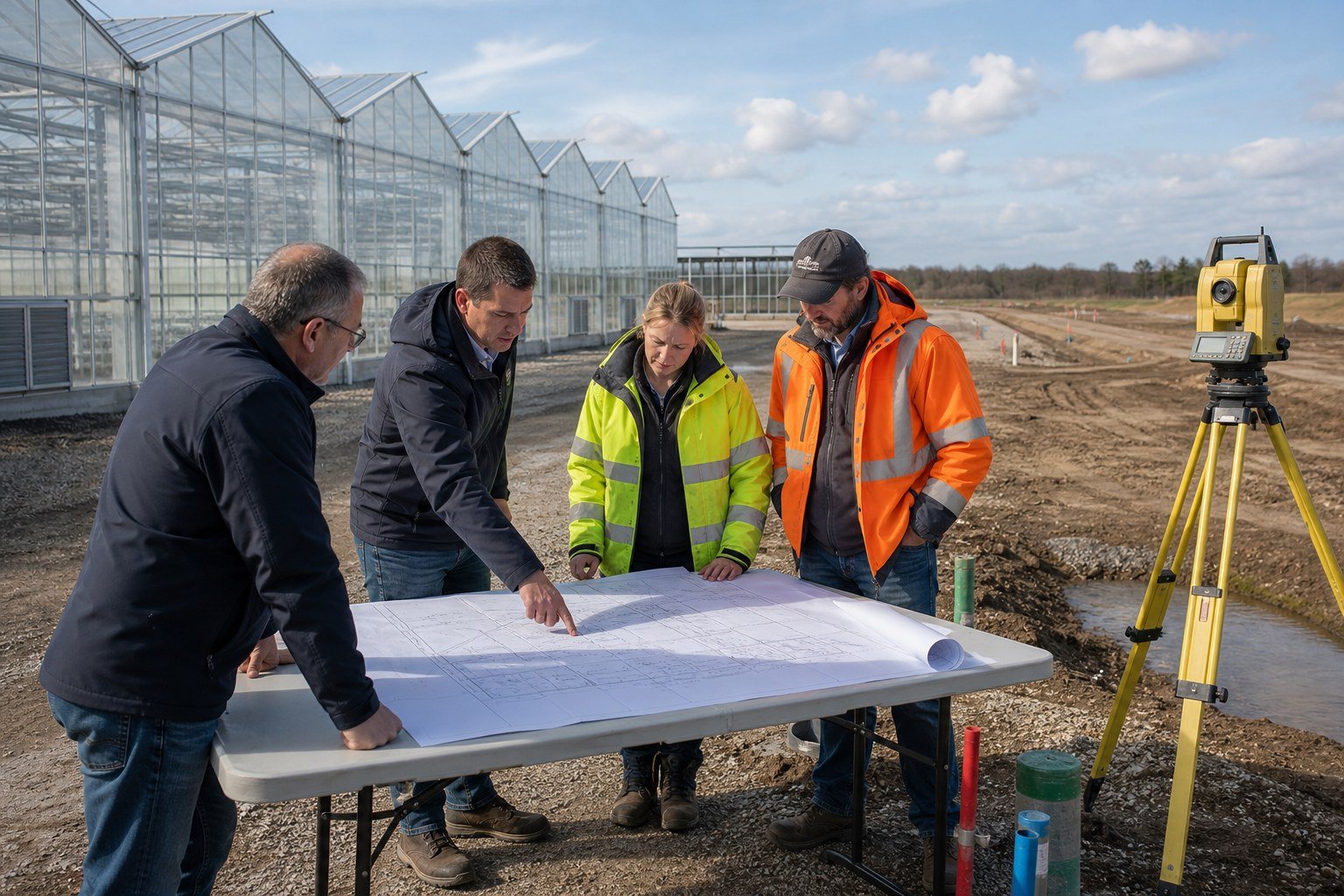
| Existing conditions | Survey title boundary, levels, soil, drainage, roads, structures, utilities, equipment, permits, environmental conditions, neighbors, asset condition and remaining life. | Verified base drawing and condition report with uncertainties and investigations. |
| Full build-out layout | Plan greenhouse grids, orientation, headhouse, propagation, storage, packing, loading, waste, staff, maintenance, fire and emergency access, biosecurity zones and future land. | Alternative layouts compare flow, cost, resilience, permits and future flexibility. |
| Utility and shared-system capacity | Calculate water quantity and quality, drainage, treatment, heating fuel, thermal load, electricity demand, backup, communications, carbon dioxide and control capacity for each phase and peak case. | Utility owners and designers confirm connection, upgrade, lead time and reserve. |
| Current-operation interfaces | Identify shutdowns, temporary services, construction access, dust and pest control, worker separation, deliveries, crop protection, noise, security and emergency routes. | Method preserves safe production or states the accepted outage and crop plan. |
| Phase definition | For each stage state scope, enabling work, permits, funding, design, procurement, long-lead equipment, temporary works, commissioning, training, acceptance and future connection points. | A stand-alone usable phase does not depend on unfunded hidden work. |
| Future-proofing and decision gates | Reserve corridors, pipe and cable capacity, controls architecture, drainage, road access and structure interfaces; define triggers for the next phase and assumptions to revalidate. | Master plan is controlled, reviewed and updated when business or site conditions change. |
Give every open item an owner, due date, status, related drawing or package, and effect on cost, time, quality, safety, and performance. “Discussed,” “in progress,” or “by others” is not a closure record.
A practical workflow
1. Interview the whole operation
Include growers, maintenance, logistics, finance, sales, hygiene, safety and utilities. Each sees a bottleneck that a plan drawn only around greenhouse bays may miss.
2. Verify the base before drawing the future
Use survey, utility records, meter data, condition inspection, permits and actual production flow. Mark unknown services and capacities for investigation.
3. Compare several final layouts
Test crop and people flow, material handling, sunlight, wind, drainage, road access, utilities, fire response, maintenance and neighborhood effects before selecting a preferred plan.
4. Work backward into buildable phases
Each phase needs a business purpose, complete support systems and commissioning. Protect future routes and avoid temporary work that must be rebuilt immediately.
5. Use decision gates with current evidence
Before design freeze, procurement, construction and connection, recheck demand, finance, permits, utility commitments, site condition and effect on ongoing crops.
Use one controlled register and preserve superseded records. The team should be able to reconstruct which instruction, setting, role and asset condition applied when an event was observed, adjusted, maintained, tested, restored and accepted.
Roles at the operating interfaces
Owner and operations manager
Set the crop, safety, production and business priorities; assign authority; approve operating limits; and make sure urgent decisions can be made outside normal hours.
Grower and plant-health lead
Define crop-sensitive conditions, hygiene zones, scouting evidence, water-quality needs, permitted treatments, release criteria and the response to suspected pests or disease.
Maintenance and controls team
Keep assets, sensors, software, backups, alarms, isolations, spares and work records usable. Report degraded functions before they turn into crop or safety events.
Suppliers and local specialists
Provide scope-specific instructions, competent service, replacement parts and technical evidence. Local professionals must control regulated electrical, pressure, chemical, fire and environmental work.
Use evidence before releasing the next step
Before people, water, chemicals, crops or equipment enter a released area, confirm that the approved method is current, the responsible person has checked the work, exceptions are controlled, affected teams have been informed, and the record can be retrieved. If a condition is not met, state what may continue, what remains on hold, who owns the action, and when it will be checked again. This is more useful than a general statement that the greenhouse is ready.
Common failure modes
| Failure | Buyer response |
|---|---|
| The next bay is placed where construction is easiest | Evaluate final material flow, roads, drainage, utilities and later phases before choosing location. |
| Shared plant capacity is accepted from nameplates | Test simultaneous peak demand, distribution constraints, condition, control and required redundancy. |
| Headhouse and logistics remain the same size | Measure propagation, storage, packing, loading, waste, staff and maintenance throughput. |
| Construction is planned separately from production | Control access, dust, pests, utilities, noise, emergency routes, shutdowns and crop protection as one interface plan. |
Buyer decision questions
What business constraint does the expansion remove? Which support process becomes the next bottleneck? Are the survey, permits and utility records reliable? What peak case and failure case govern shared capacity? How will construction coexist with crops? Does phase one operate independently and preserve future routes? What evidence must be refreshed before the next phase is authorized?
Link the answer to the commercial greenhouse site assessment checklist, the greenhouse project responsibility matrix, the greenhouse project schedule guide, so operating decisions remain connected across the crop, equipment, maintenance and evidence.
Frequently asked questions
Should the owner design all future phases now?
Develop enough master-plan detail to reserve land, flow, utilities and interfaces. Detailed design can follow when later scope and business conditions are current.
Is unused utility capacity automatically available?
No. Verify physical, contractual, regulatory, distribution, quality, condition and resilience limits with the responsible utility and designers.
When is renovation better than expansion?
Compare life-cycle cost, downtime, performance, remaining asset life, permits, flow and future flexibility. A cheap retrofit can preserve an expensive constraint.
How often should the master plan be reviewed?
Review annually and when crop, market, land, utility, regulation, technology, major asset or financing assumptions change.
Turn the requirement into a controlled deliverable
Share the business target, existing layout and surveys, crop and material flows, utility records, support buildings, permits, asset condition and intended final scale. Chengfei Greenhouse can help develop greenhouse-system interfaces while local professionals validate the complete master plan.
Contact Chengfei Greenhouse