
The short answer
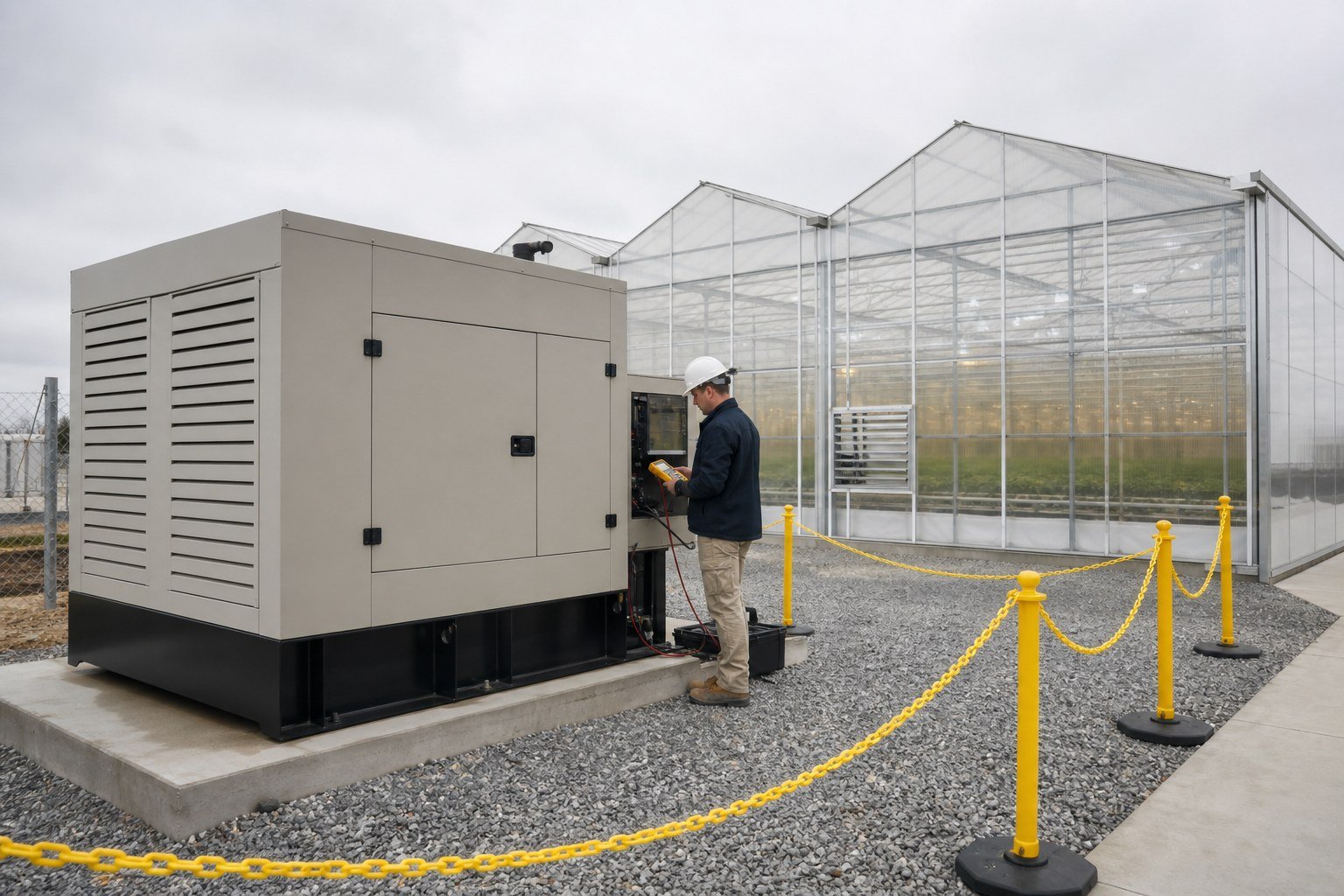
Maintain a controlled generator program with four layers. First, inspect condition, fluids, battery, charger, heaters, ventilation, exhaust, leaks, alarms, fuel path and the area around the unit. Second, prove automatic start and transfer through the approved test method. Third, apply the actual permitted load sequence or a professionally designed equivalent and hold it long enough to observe stable operation. Fourth, transfer back, confirm normal utility operation and close every abnormal result. Record date, weather, fuel level, start time, transfer time, load steps, readings allowed by the procedure, alarms, operator actions, run duration and corrective work. The owner should also know how long the tested load can run with usable on-site fuel and when resupply must begin.
Standby equipment can fail quietly. A weak starting battery, closed fuel valve, stale fuel, empty day tank, blocked air path, disabled charger, alarm routed to an old phone number or transfer switch left in the wrong mode may not appear during a walk-by. A no-load run can also miss cooling, frequency, voltage or fuel problems that appear only after fans, pumps and heaters start.
Fuel readiness is a supply-chain question as well as a tank reading. The usable quantity may differ from nameplate capacity. Consumption changes with load, temperature, fuel condition and equipment condition. Roads and suppliers may be constrained during the same storm that causes the outage. Use tested consumption and agreed reserves, then set an early resupply trigger rather than a last-minute call.
This guide is an operating-control framework. The approved design, crop plan, product labels, manufacturer instructions, site safety procedures, local law and directions from competent local professionals govern the actual work.
What the buyer should control
| Control point | Required record or action | Release evidence |
|---|---|---|
| Asset and operating mode | Record generator, engine, alternator, transfer equipment, fuel system, starting system, charger, controls, alarms, exhaust, ventilation and approved automatic mode. | Current asset list, one-line diagram, settings record and visible operating-status check. |
| Pre-start condition | Check access, leaks, fluid and fuel levels, battery condition, charger, heaters, air path, exhaust, guards, emergency stop and outstanding defects under the approved procedure. | Signed inspection with photographs or readings where required and defects placed on hold. |
| Start and transfer | Verify automatic and manual start paths, source sensing, delay, transfer indication, failed-start alarm and safe isolation from the utility. | Witnessed event log with time stamps and authorized technician acceptance. |
| Load performance | Apply approved load blocks in sequence; observe stability, abnormal sound, exhaust, leakage, alarms and permitted electrical or engine readings. | Test sheet shows load steps, duration, readings, exceptions and supported greenhouse services. |
| Fuel and runtime | Confirm usable fuel, quality controls, tank and line condition, supplier access, consumption at tested load, replenishment point and spill response. | Runtime estimate states evidence, reserve and the person authorized to order fuel. |
| Remote alarm and staffing | Prove loss of utility, generator running, failed start, low fuel and critical fault messages reach a trained primary and alternate. | Completed notification test with acknowledgement times and escalation result. |
| Return and corrective work | Control retransfer, staged normal restart, cooldown, inspection, refueling, alarm reset, housekeeping and defect closure. | Post-test release confirms automatic readiness or records the unit as unavailable with interim controls. |
Every open item needs an owner, due date, status and effect on safety, production, cost and recovery time. A note that something was discussed or is being handled does not prove closure.
A practical workflow
1. Set the test scope and safety control
Use the manufacturer's instructions, approved electrical design, site emergency plan and qualified service team. Tell affected greenhouse staff which services may stop or change. Set abort criteria and keep unauthorized people outside the test area.
2. Check what can prevent a start
Inspect the battery and charger, fuel path, fluid condition, controls, space heaters where fitted, emergency stop, ventilation and outstanding work orders. Confirm the unit is in the required operating mode after maintenance. Do not reset or bypass a protective trip without finding the cause.
3. Prove the signal path
Initiate the approved test and record utility-loss detection, start, warm-up, transfer, alarm transmission and operator acknowledgement. A generator that runs but does not transfer or notify the team has not passed the greenhouse continuity test.
4. Apply meaningful load
Use the real essential sequence or a professionally designed load-bank method that proves the intended duty. Observe the largest motor starts and combinations. Do not add unapproved loads during the test simply because spare capacity appears available.
5. Confirm endurance resources
Use test records to estimate consumption at the supported load. Reconcile tank indication with physical and supplier records. Confirm access, delivery lead time, fuel-quality management and the action if resupply cannot arrive.
6. Restore and close
Transfer back through the approved procedure, confirm controller clocks and automatic schedules, let the unit complete its required cooldown and leave it ready. Open a corrective work order for every exception. Until it passes retest, show the real unavailable or restricted status in the continuity plan.
Preserve the event sequence and earlier versions of records. The team should be able to reconstruct what was observed, which condition applied, who decided, what changed, how the result was tested and which limitation remained.
Who owns each decision
Qualified generator and electrical team
Controls the test method, electrical safety, transfer, protection checks, measurements and corrective service. It decides whether the equipment is technically ready.
Greenhouse operations lead
Confirms that the permitted load blocks support the selected crop zones and watches the operational effect during transfer and restart.
Fuel and logistics owner
Maintains approved suppliers, usable inventory, quality records, delivery access, purchase authority, spill controls and the resupply trigger.
Alarm receiver
Acknowledges the test messages exactly as during a real outage, follows the escalation card and reports any missing, delayed or confusing notification.
Release evidence before the next step
Do not label the generator ready merely because the engine ran. The release should state which load sequence was proved, how long it ran, whether transfer and alarms passed, how much usable fuel remains, and which defects are open. If the test was limited, state the limitation. Restore automatic mode, verify remote status and tell the continuity team immediately if the unit cannot support the approved plan.
Common failure modes
| Failure | Buyer response |
|---|---|
| The test never transfers the building | Use an approved schedule that periodically proves the transfer and intended load while protecting production and workers. |
| Fuel level is read but runtime is unknown | Use tested consumption, usable quantity, required reserve and supplier lead time to set a resupply trigger. |
| A fault is reset and forgotten | Record the cause, authorized correction and successful retest. Repeated resets are not maintenance. |
| The alarm goes only to one phone | Test primary, alternate and escalation paths, including nights and loss of normal network service. |
| The unit is left in manual mode | Make final operating mode and remote status part of the signed post-test release. |
Buyer decision questions
Which load blocks did the last test actually carry? Did the largest permitted motor start without unacceptable disturbance? How long did transfer take, and which controls failed to recover? Which alarm reached which person? What usable fuel remained after the test? Can a supplier reach the site during the expected event? Which defect is open, and what interim control protects the crop? Who confirmed that automatic mode was restored?
Keep these decisions connected to the greenhouse power outage load priorities, the greenhouse maintenance KPI and downtime log, the greenhouse spare-parts criticality plan. The emergency plan, equipment evidence and crop plan should describe the same operating reality.
Frequently asked questions
Is a monthly start enough?
Frequency and scope depend on equipment, risk, manufacturer instructions and local requirements. A start-only test cannot prove transfer, load response, alarms or crop-service coverage.
Should a generator always be tested at full site load?
Only the approved engineering and test plan should set the load. The goal is to prove its intended duty safely, which may use staged operational loads or professional test equipment.
Can old fuel be judged by appearance?
Use the fuel supplier, generator manufacturer and qualified service provider's sampling and quality program. Appearance alone does not establish suitability.
What if a test could disturb a sensitive crop?
Plan a controlled window, temporary crop controls and clear abort conditions. That risk should be weighed against discovering the same failure during a real outage.
Who may change transfer-switch settings?
Only authorized qualified people acting under the approved design and local rules. Operators should use status indications and documented commands within their training.
Turn the requirement into a controlled deliverable
Share the generator and transfer equipment data, approved load sequence, one-line diagram, test history, fuel arrangement, alarm list and operating constraints. Chengfei Greenhouse can help trace dependencies in supplied greenhouse equipment while qualified local specialists own the power and fuel systems.
Contact Chengfei Greenhouse