
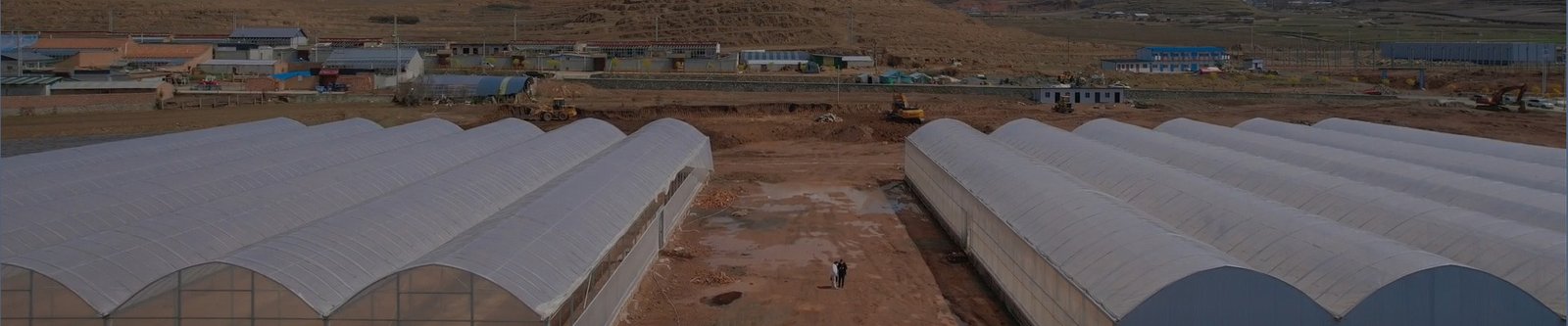
Short answer: a high-tech greenhouse is an integrated production system, not a list of sensors or a country label. Structure, covering, climate equipment, irrigation, controls, crop workflow, utilities and operator response must work together. Buyers should specify the operating problem first, then choose the technology needed to solve it.
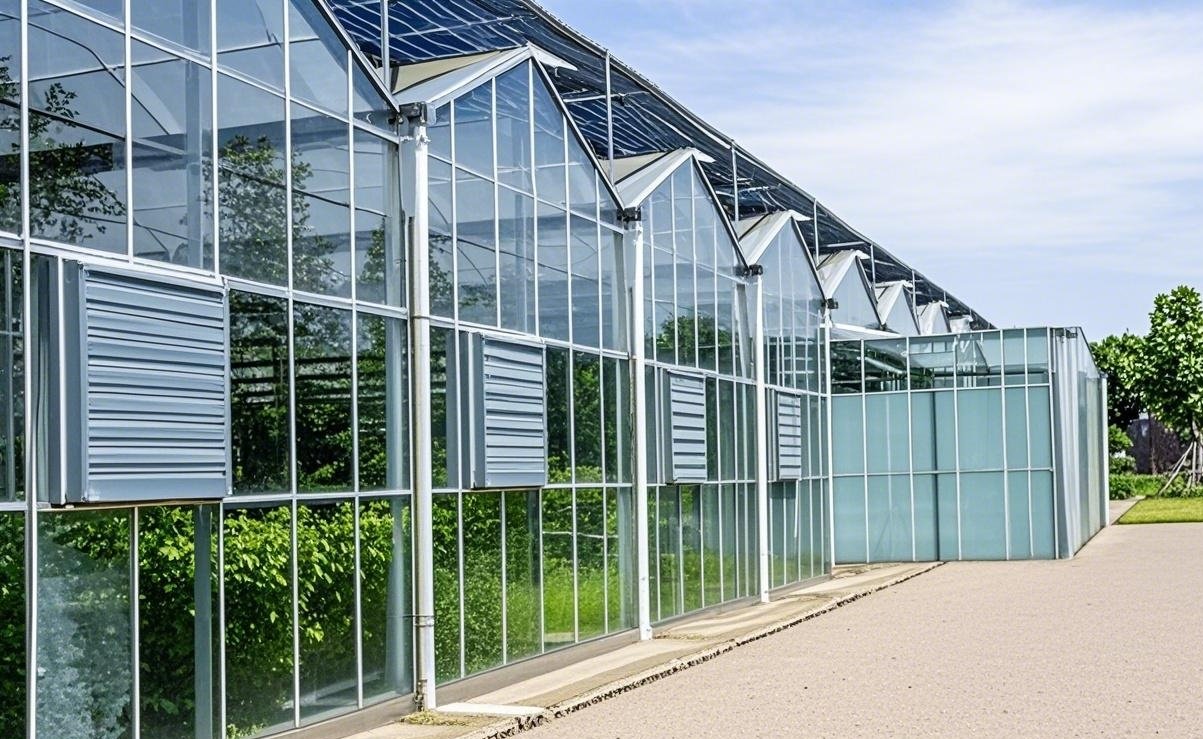
Specify five connected system layers
| System layer | What belongs in the specification | Acceptance evidence |
|---|---|---|
| Structure and envelope | Design loads, geometry, covering, leakage assumptions, vents, screens and maintenance access | Approved drawings, material records and inspection points |
| Climate equipment | Heating, cooling, circulation, dehumidification, shade and lighting capacities | Load basis, equipment data and staged operating tests |
| Water and crop system | Source treatment, irrigation, fertigation, distribution, drainage and reuse | Water analysis, flow tests, dosing checks and sanitation procedure |
| Sensors and controls | Sensor locations, zones, setpoints, sequences, alarms, logging and manual operation | Point list, control narrative, calibration and alarm test records |
| Operations and service | Staffing, training, spare parts, remote support, maintenance and backup power | Training sign-off, spare list, manuals and failure-response drill |
Start with crop limits and design weather
Define crop day and night ranges, humidity limits, light needs, irrigation strategy and the allowed time outside those limits. Add an hourly weather basis, project elevation, water quality and utility availability. The system designer can then select capacities and control stages against a known operating case.
A larger controller cannot correct an undersized vent, missing drain or unreliable water source. Controls coordinate equipment that already has to be suitable for the job. Review the physical capacity and the software sequence together.
Buy measurable functions, not automation labels
For each automated function, state the input, decision rule, output, alarm and safe fallback. A vent command may use inside temperature, outside wind and rain status. An irrigation command may use schedule, crop stage, drain measurement and tank level. The exact logic is project-specific, but it should be written before commissioning.
Ask how operators can see bad sensor data, acknowledge alarms and run critical equipment manually. Define what happens during communication loss or power failure. Remote access needs named users, access control, update responsibility and a recovery method.
Commission the system in layers. First confirm each sensor and motor point, then test individual equipment, combined sequences, alarms and fallback states. Run the tests under conditions that are safe for the crop and record the expected and actual response. The handover should include the control narrative, point list, calibration record, controller backup and the operator responsible for future setpoint changes.
Stage technology around the business constraint
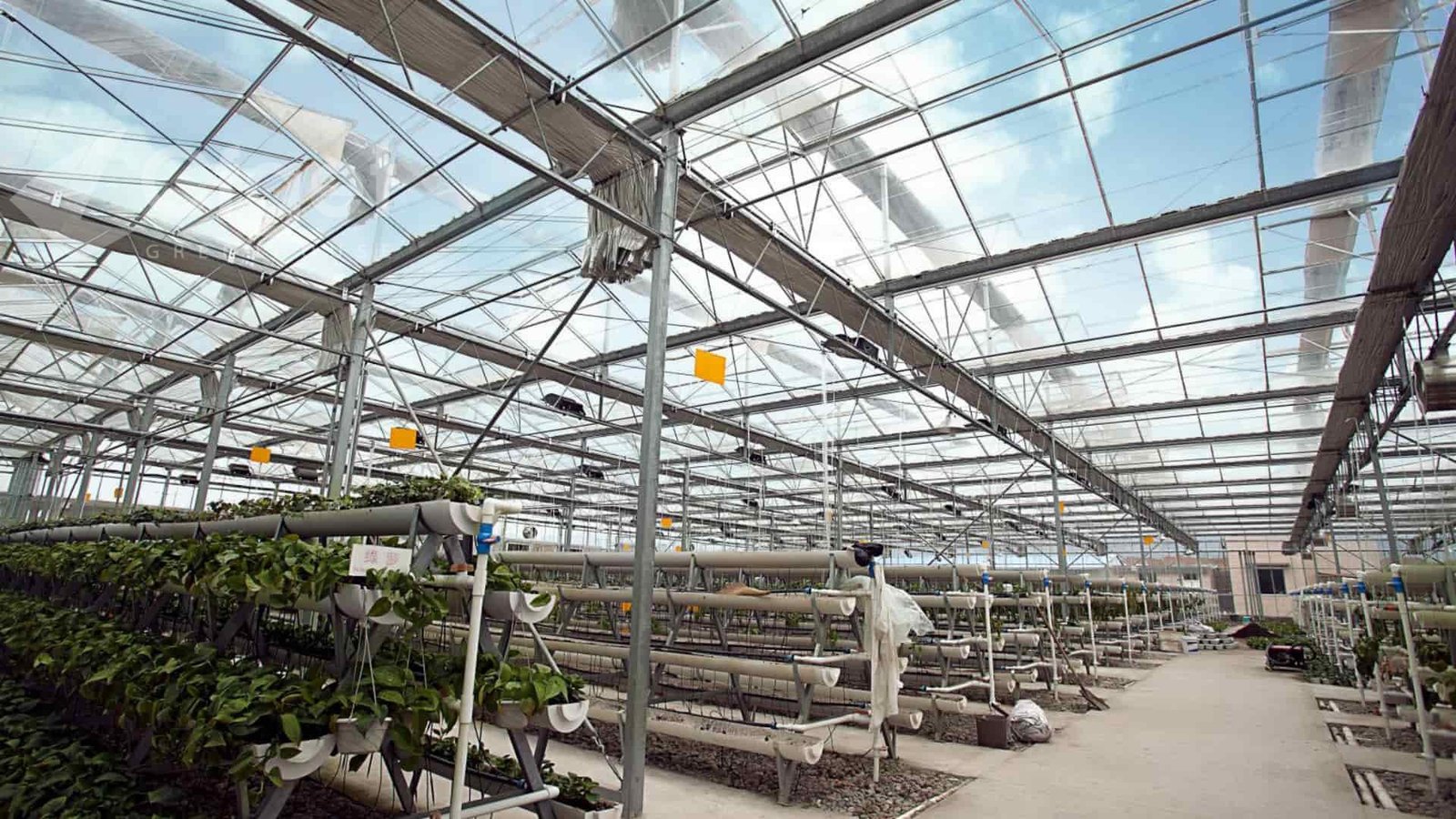
Not every project should install every available system at launch. A hot-climate vegetable house may first need reliable ventilation, shade, cooling and irrigation alarms. A cold-climate year-round project may depend more on envelope performance, heating, screens and energy monitoring. A propagation facility may need tighter zoning and humidity control.
Plan electrical capacity, communication routes, equipment space and controller inputs for later expansion where that is economical. Record which functions are required now, which are optional and what modification would be needed to add them.
High-tech greenhouse RFQ inputs
- Location, elevation, weather basis, crop, growing method and production calendar.
- Indoor climate and root-zone limits, including allowed excursion duration.
- Structure, covering, vents, screens, heating, cooling, lighting and circulation.
- Water analysis, treatment, irrigation zones, fertigation, drainage and reuse.
- Sensor types, locations, zone map, logging interval and calibration method.
- Control narrative, alarm priorities, manual overrides and safe fallback states.
- Power, network, backup duration, operator training, spares and support boundary.
Compare the physical greenhouse environmental control system with the automation and alarm layer. Review completed greenhouse projects for layout context, then request a project-specific system diagram rather than copying equipment from another climate.
Engineering boundary: this guide defines specification inputs. It does not size equipment, set crop limits, calculate energy use, predict yield or approve electrical, structural or water systems.
Technical references
- University of Arizona CEAC: Greenhouse Engineering
- University of Alaska Fairbanks: Controlling the Greenhouse Environment
- UMass Amherst: Selecting and Building a Commercial Greenhouse
Preparing a high-tech greenhouse RFQ? Send the site, crop, climate limits, water analysis, utilities and required control functions to info@cfgreenhouse.com. CFGET can organize the structure, systems and control interfaces around one operating brief.