
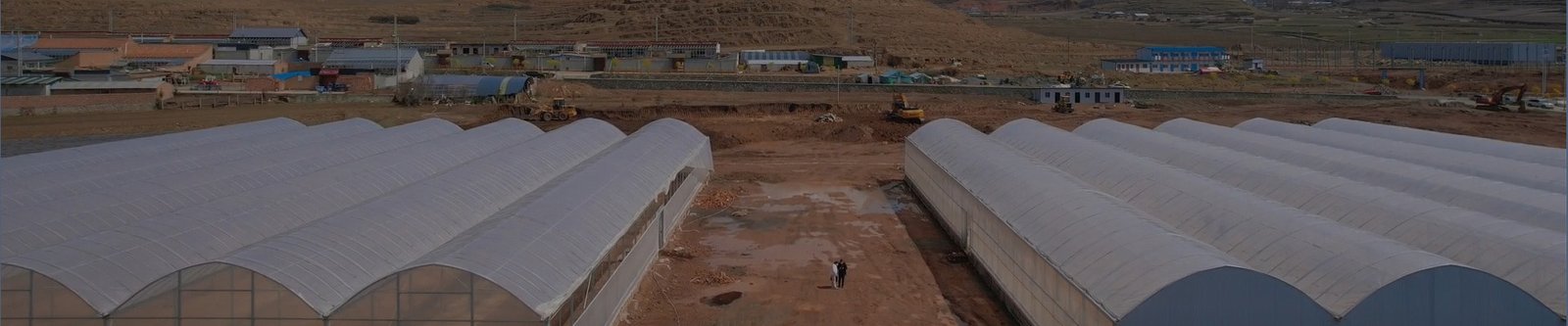
A row cover inside an unheated greenhouse can add protection around the crop, but it does not create heat or guarantee a frost-free night. Its usefulness depends on the crop, fabric, soil conditions, weather and how the cover is managed the following morning. Measure temperature beneath the cover at crop height and plan a response if that temperature approaches the crop's limit.
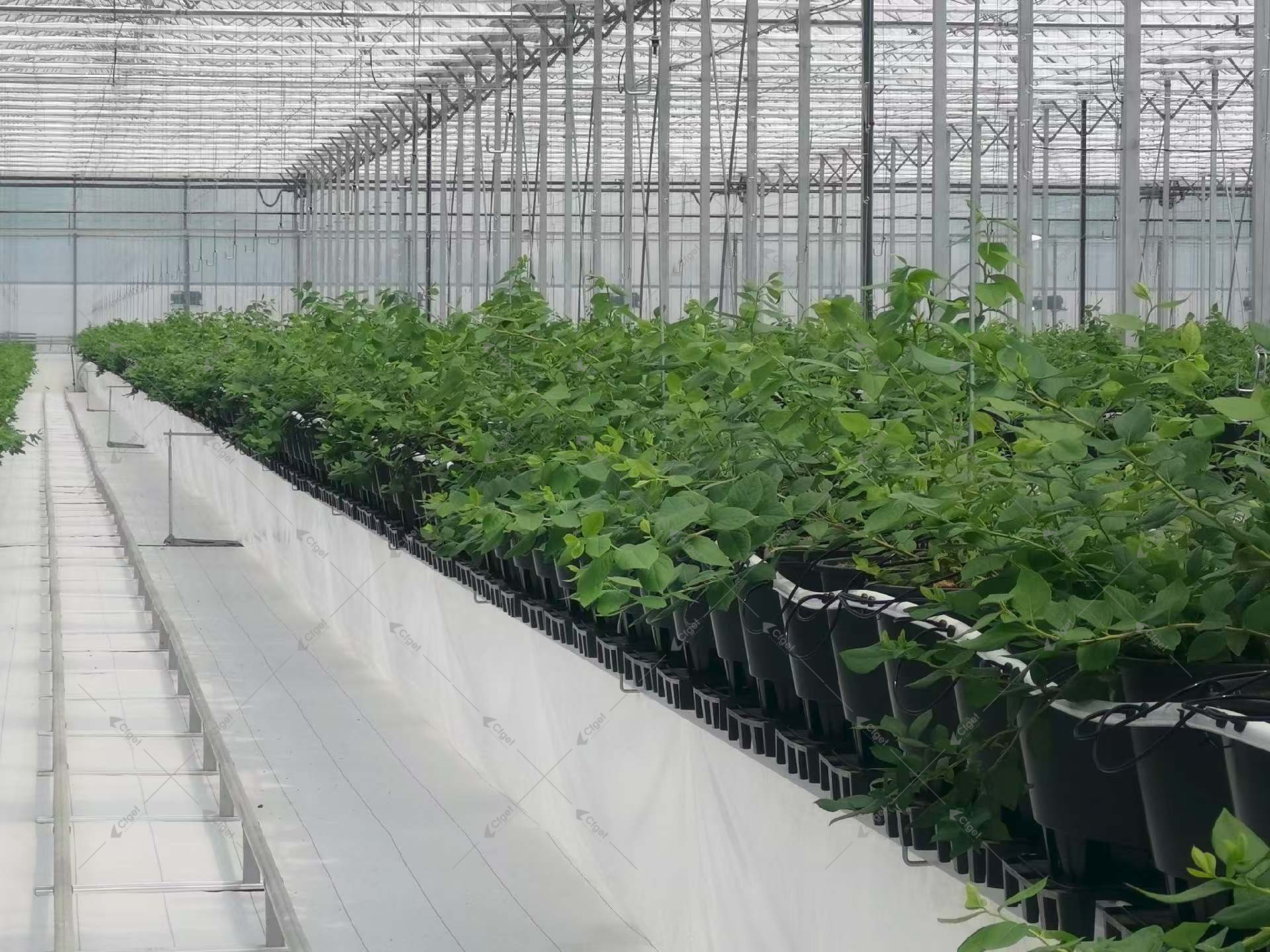
This is most useful as a bed-level protection plan for suitable cool-season crops. Tender plants facing temperatures below their tolerance need a reliable alternative, such as moving them to protected space or using an appropriately designed heating system.
Decide what you are protecting
Identify the crop and growth stage, then obtain a suitable low-temperature limit from a crop-specific source or adviser. Germinating trays, established spinach and fruiting tomatoes do not share a single threshold. Avoid converting a fabric supplier's nominal protection figure into a promise for every crop and site.
Mark the beds or benches to cover and where the fabric will be stored during the day. Include access for inspection and irrigation. If the cover requires hoops, choose a support arrangement that will not abrade the fabric or collapse onto the crop during routine handling.
The University of New Hampshire row-cover guide explains the tradeoff between fabric weight, protection and light transmission. Heavier fabric is not automatically the better all-day choice. Its small-greenhouse guidance also illustrates the use of an additional cover inside a protected structure.
Check the bed before sunset
Inspect plants and root-zone moisture before covering them. Correct an irrigation problem according to the crop's needs; do not saturate containers as a last-minute frost treatment. Record whether the soil or growing medium has warmed during the day, because the cover will be enclosing those conditions.
Lay the fabric so it covers the intended area continuously. Close the edges using a method suitable for the bed and fabric, while leaving a practical way to inspect plants. Gaps near the crop and a torn cover deserve attention before adding another layer over an otherwise poor installation.
Set up a sensor beneath the fabric without resting it on a leaf or the soil. Put a second comparable sensor outside the inner cover but inside the greenhouse. A third sheltered outdoor sensor helps explain the difference between the building, the covered bed and the weather forecast.
Use the first cold night as a measurement, not a guarantee
Log temperature through the evening and overnight, including the minimum if your equipment supports it. Note wind, cloud cover and the timing of cover placement. Do not infer the minimum from a single reading taken before bedtime.
| Observation | What to do with it |
|---|---|
| Under-cover temperature remains suitable for the crop | Retain the record with that night's weather and cover arrangement |
| Temperature approaches the crop's action threshold | Follow the prearranged protection or relocation response |
| One bed is colder than the others | Check edge gaps, sensor placement and local exposure |
| Morning moisture remains on foliage | Inspect airflow, irrigation timing and cover-removal practice |
A measured temperature difference from one night is a result for those conditions. It should not be advertised as a fixed frost-protection rating or assumed to hold during a longer, colder event.
Write the morning removal step into the plan
An unheated greenhouse can warm quickly in sunshine. Assign a person to check the covered crop in the morning and open or remove the fabric as conditions require. A nighttime protection routine is incomplete without this daytime step.
Check temperature under the fabric before judging the house from the doorway. Observe moisture, plant condition and light availability. Keep removed fabric clean and protected from tearing so it is usable the next evening. If flowering crops require insect access, account for that in the cover schedule rather than leaving the cover continuously closed.
Scout beneath the fabric. A cover can conceal weeds, pests and irrigation faults from a quick aisle inspection. Repeated handling also creates opportunities for damage, so inspect the same edge and support points as part of the routine.
Keep the limits visible in the frost record
Record crop, fabric product, covered area, placement and removal times, sensor locations, overnight minimum and any plant injury. Reassess when the crop, bed arrangement or weather changes. Our unheated greenhouse overwintering guide covers the wider building context; the inner-cover record should show what actually happened at the crop.
The decision to rely on row covers should follow those measurements and the crop's tolerance. If the available protection cannot meet the requirement, arrange a different growing location or a designed heating solution before the next cold event.