

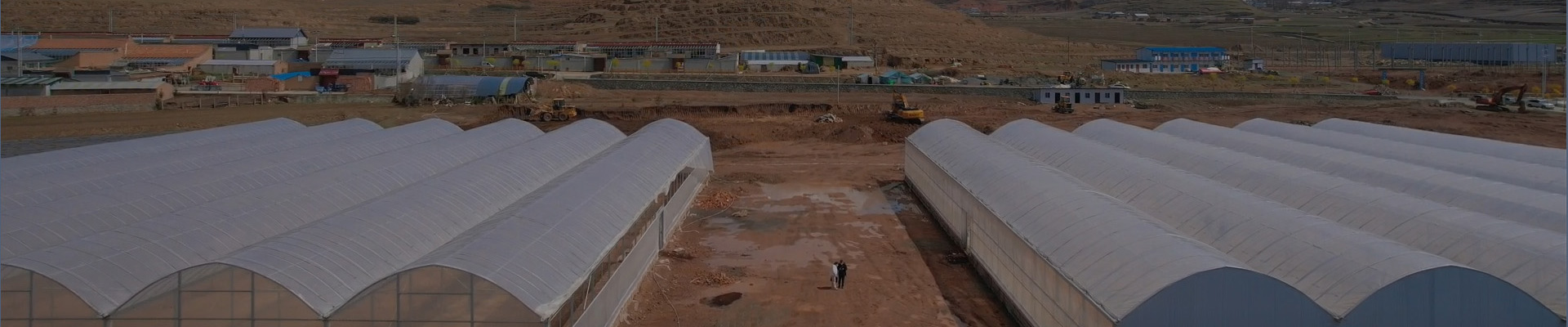
Glass greenhouses are widely regarded as the benchmark for modern commercial horticulture. Whether you're growing premium vegetables, high-value flowers, or seedlings, a well-planned glass structure delivers unmatched transparency, durability, and profitability.
But success doesn’t depend on glass alone. It relies on the careful design of two core elements: light optimization and environmental control. Get these right, and your greenhouse becomes a high-performance growing system.
Light: Are You Making the Most of Natural Sunshine?
Light is the engine of plant growth, and glass greenhouses are prized for their ability to transmit natural sunlight. However, how you manage that light makes all the difference.
Use high-transparency glass
Low-iron or diffuse glass can allow up to 90% light transmittance, making it ideal for winter and low-light regions.
Optimize roof pitch and orientation
A 20–30° roof angle, combined with east-west alignment, helps capture light evenly throughout the day.
Use diffused light when possible
Diffuse glass or coatings scatter sunlight across the crop canopy, minimizing shadows and improving photosynthesis. This is especially effective for crops like tomatoes, lettuce, and flowers.

Climate Control: Is Your Greenhouse Truly Responsive to Weather?
Glass greenhouses warm up quickly—beneficial in winter, but potentially harmful in summer. Effective climate control must be built into the structure from the start.
Ventilation
Top and side vents, ideally automated, allow excess heat to escape. In larger operations, forced-air systems help maintain airflow and reduce disease pressure.
Shading systems
Automated internal and external shade curtains prevent overheating and protect sensitive crops from excessive light. Light sensors can trigger shading when needed.
Heating and cooling systems
Include radiant heat, hot water piping, or energy curtains to maintain warmth in winter. In hot regions, consider evaporative cooling systems such as pad-and-fan or fogging.
Smart Controls: Is Your Greenhouse Thinking for You?
Integrated control systems allow growers to coordinate multiple functions—climate, irrigation, lighting, and nutrition—from a single dashboard.
CFGET (Chengfei Green Environment Technology Co., Ltd.) specializes in delivering commercial glass greenhouses equipped with:
IoT-enabled environmental sensors
Centralized control panels
Remote monitoring via phone or desktop
Seamless compatibility with fertigation and lighting systems
With CFGET, you get more than a structure—you get a fully integrated growing solution.
Design Tips: Are You Planning for Growth and Efficiency?
Design around your crops. Different plants have different light and climate needs.
Build with scalability in mind. Use modular bays and extendable ridge heights.
Choose energy-efficient materials. Double glazing and insulated screens reduce energy usage.
Consider local climate risks. Include bracing for wind and snow if necessary.
Automate early. Manual control limits precision and adds labor costs.
Sustainability: Is Your Greenhouse Part of the Climate Solution?
A well-designed glass greenhouse isn’t just profitable—it’s more environmentally responsible:
Better use of natural light reduces energy demands.
Sealed structures maintain stable internal environments.
Glass and aluminum materials are recyclable.
Add in precision irrigation and fertilization systems, and you get a higher yield with fewer resources.
Conclusion: Are You Designing for the Future?
A commercial glass greenhouse is more than a beautiful building. It is a climate-controlled, light-optimized production system. When designed with care, it allows growers to reduce risks, increase consistency, and maximize output.
By working with experts like CFGET, you can ensure your greenhouse delivers long-term results tailored to your business, crops, and climate.
By integrating modern automation, energy-efficient glazing, and data-driven climate control systems, you are not just building a greenhouse—you’re building a future-proof growing facility. Today’s agricultural markets demand reliability, sustainability, and year-round productivity. Whether you're cultivating high-value vegetables, specialty flowers, or tropical fruits, your greenhouse must be able to adapt to changing environmental conditions and evolving market needs.
At CFGET, we combine 28 years of engineering expertise with real-world experience across diverse climates to help growers make informed design choices. From ventilation strategies to customized shading systems, every element is considered to support healthy plant growth and efficient operation. Designing for the future means investing in a structure that not only performs today but also evolves with your goals. Partner with CFGET and step confidently into a greener, more productive tomorrow.
Choosing the right greenhouse structure is also an investment in your brand, profitability, and long-term sustainability. A well-designed glass greenhouse can significantly reduce energy consumption and maintenance costs, while improving crop quality and yield—giving you a competitive edge in the market. Whether you’re facing extreme weather, labor shortages, or stricter environmental regulations, having a high-performance greenhouse gives you the flexibility and resilience to adapt.

At CFGET, we go beyond design and manufacturing—we focus on your unique needs. From site evaluation to operational guidance, we help you build a facility that suits your local climate, crop requirements, and future expansion goals. Now is the time to shift your perspective: a greenhouse is not just a cost, but a strategic asset—a reliable foundation for long-term agricultural success.
Post time: Sep-02-2025



 Click to Chat