

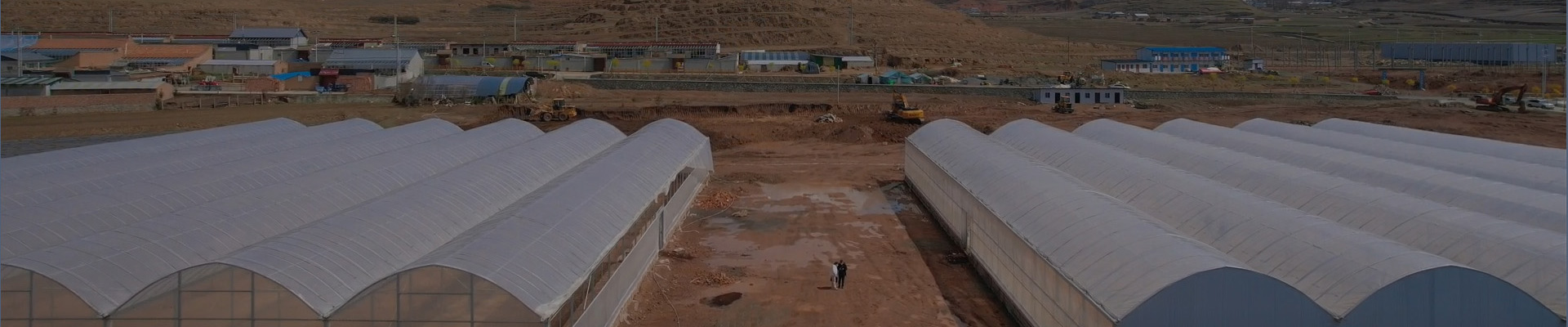
— A 2025 Guide to High-Return Hydroponic Greenhouse Projects
Imagine growing fresh tomatoes, lettuce, or strawberries not just on farmland—but in deserts, remote islands, rooftops, or even shipping containers. No soil, no waste, and barely any water. Welcome to the world of hydroponic greenhouses, one of the smartest and most profitable farming investments in 2025.
If you're looking for a project with low risk, fast returns, and long-term potential, this new generation of smart farms is worth a serious look.
What Is a Hydroponic Greenhouse—and Why Now?
Hydroponic greenhouses use a soil-free method to grow crops. Plant roots are suspended in nutrient-rich water, while the environment is precisely controlled by smart sensors and AI systems.
Why is 2025 the right time to invest?
- Food security is now a global priority
- Land and water shortages are pushing innovation
- Governments are funding sustainable agriculture
- Solar energy and automation are making greenhouses cheaper to run
- Modular systems make setup faster and easier than ever
According to a 2024 UN report, the world needs to increase food production by 60% in the next 30 years. Countries like China, Saudi Arabia, and the Netherlands are already building smart greenhouses into their national strategies.

Where Does the Profit Come From?
Hydroponic farms earn higher profits than traditional farming in several ways:
- 3–5x higher yields per square meter
- Up to 90% less water use
- Year-round growing, regardless of season or weather
- 65% less labor with automated systems
- Premium pricing for clean, traceable produce
- Shorter growth cycles, especially with LED lighting
A 2,000 m² greenhouse growing hydroponic tomatoes can bring in over $90,000 in net profit per year. In the Middle East, one modular greenhouse project achieved a 27% ROI, breaking even in just three years.
Extreme Conditions? No Problem
Hydroponic greenhouses are being deployed in some of the world’s toughest environments:
- In Saudi Arabia, dual-layer ETFE film and mist-cooling systems keep inside temperatures below 35°C while using 90% less water.
- In Russia’s freezing winters, double-layer film and ground-source heat pumps keep the greenhouse at 18°C, reducing tomato growth time to 60 days.
- On remote Maldivian islands, $120,000 solar-powered container greenhouses have raised local food self-sufficiency from 30% to 85%.
- In Dubai, AI systems predict sandstorms and automatically seal vents in advance, protecting crops and reducing losses by 90%.
Chinese manufacturer Chengfei Greenhouse has become a standout player in these projects, offering modular systems designed for harsh climates and fast deployment.

How Much Investment Do You Need?
Thanks to modular design and container units, investors now have more flexible options:
- Startup entrepreneurs: $10,000–$15,000 container farms for easy setup and mobility
- Agri-businesses: $100,000–$300,000 for medium-size smart greenhouses (1,000–3,000 m²)
- Governments or real estate: Turn greenhouses into eco hubs with tourism, education, and urban farming features
In Chengdu, one local business completed design and setup in 3 months, reaching over $125,000 in its first harvest season.
What About the Future?
AI is quickly becoming the brain behind smart farms. By analyzing tens of thousands of crop data points, these systems fine-tune nutrients, light, and airflow to improve sweetness, yield, and crop quality.
Robotic arms now harvest up to 1,200 plants per hour while sorting and packaging automatically. Blockchain tech lets consumers trace every step from greenhouse to grocery shelf—adding value and trust to the brand.
Want a business that’s sustainable, profitable, and future-proof? A hydroponic greenhouse might just be the smartest way to grow in 2025.
Welcome to have a further discussion with us.
Phone: +86 15308222514
Email: Rita@cfgreenhouse.com
Post time: Sep-01-2025



 Click to Chat