

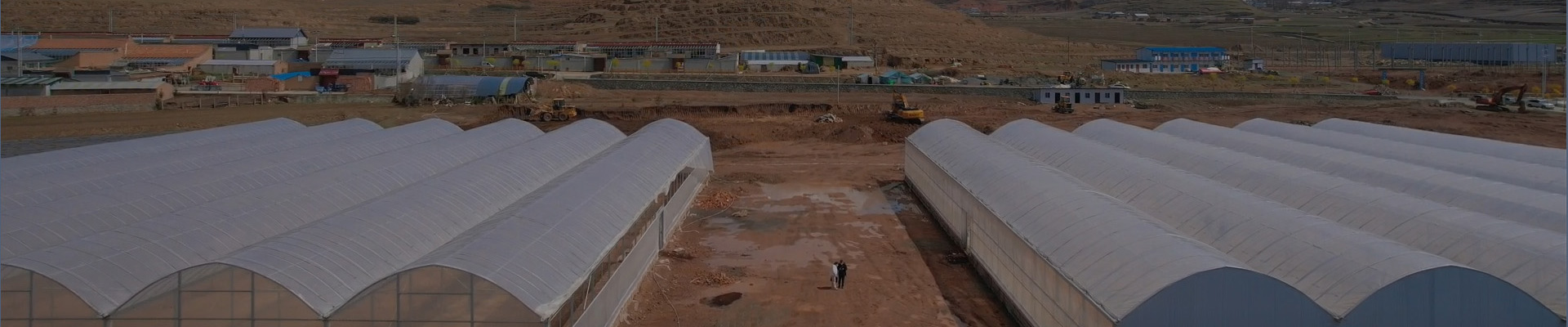
In the evolving landscape of modern agriculture, glass greenhouses have become much more than just protective structures. With advancements in automation technology, these facilities are transforming into intelligent production systems that enable growers to precisely control climate conditions, optimize resource use, and maximize crop yields. But is automation truly the key to unlocking smart climate management and efficient operation in glass greenhouses? Let’s explore how automation reshapes greenhouse cultivation.
Automated Temperature Control: How Does It Optimize Plant Growth?
Temperature plays a crucial role in plant development and productivity. Automated temperature control systems in glass greenhouses rely on a network of sensors that continuously monitor indoor and outdoor temperatures. When the temperature deviates from the preset ideal range, the system automatically adjusts ventilation by opening or closing roof vents, side windows, or activates heating and cooling equipment.
This real-time response keeps plants within their optimal temperature zone, minimizing stress and encouraging steady growth. Compared to manual adjustments, automation provides greater precision, faster reaction times, and reduces the risk of human error, ensuring a stable environment despite sudden weather changes.

How Does Humidity and Irrigation Automation Enhance Efficiency?
Humidity regulation is essential not only for plant health but also for disease prevention. Excessive or insufficient humidity can trigger fungal infections or slow growth. Smart humidity control systems, equipped with sensors, activate misting systems or ventilation fans automatically to maintain the ideal moisture balance in the air.
On the irrigation front, automated drip irrigation and fertigation systems supply water and nutrients based on real-time soil moisture levels and crop needs. This precision reduces waste, prevents overwatering, and improves nutrient uptake. Ultimately, automation ensures efficient water and fertilizer use, lowering costs and promoting sustainable production.
Can Automated Light Management Improve Photosynthesis and Energy Use?
While glass greenhouses naturally offer excellent light transmission, sunlight intensity fluctuates throughout the day and year. Automated shading systems linked to light sensors adjust shading screens or blinds dynamically to prevent plant damage from excessive sunlight or heat.
Additionally, supplemental grow lights can be controlled automatically, turning on when natural light is insufficient. This ensures that plants receive consistent light for photosynthesis without wasting energy on unnecessary lighting. The result is a balanced light environment that supports healthy growth and enhances energy efficiency.
What Role Does Data Monitoring and Remote Control Play in Modern Greenhouses?
The integration of the Internet of Things (IoT) and cloud computing has enabled growers to gain unprecedented visibility and control over greenhouse conditions. Environmental data—such as temperature, humidity, CO₂ levels, and light intensity—is collected continuously and transmitted to centralized platforms accessible via smartphones or computers.
Growers can remotely monitor and adjust settings in real time, reducing labor requirements and allowing quick responses to changing conditions. Furthermore, data analytics and historical trends support better decision-making, helping to optimize planting schedules, predict potential issues, and enhance overall operational efficiency.
How Does Automation Contribute to Sustainability and Profitability?
Though automation involves upfront costs, the long-term economic and environmental benefits are substantial. Automated systems reduce energy use by optimizing heating, cooling, and lighting, which lowers utility expenses. Labor costs decrease as fewer manual interventions are necessary for climate adjustments.
Moreover, the consistency and precision of automated climate control reduce crop losses from adverse conditions and disease, stabilizing yields and improving quality. For growers facing labor shortages or increasing energy prices, automation is a critical tool for maintaining sustainable, profitable operations.
Conclusion: Is Investing in Glass Greenhouse Automation Worth It?
Given the demands of today’s agricultural markets—such as the need for year-round production, high product quality, and resource efficiency—glass greenhouse automation is indeed a vital investment. By combining smart climate management, precise irrigation and lighting control, and comprehensive data monitoring, growers can create optimal growing conditions that boost productivity while minimizing waste.
As technology continues to advance, automated glass greenhouses will become more adaptive and efficient, setting the stage for a resilient and sustainable agricultural future. For growers committed to innovation and long-term success, embracing automation is not just an option—it’s essential.

Moreover, automation in glass greenhouses offers unparalleled opportunities for scalability and customization. Growers can tailor environmental settings to specific crop types, growth stages, and even individual plant needs, enabling precision agriculture on a whole new level. This flexibility not only improves crop uniformity and quality but also opens doors to cultivating a wider variety of plants that may have been challenging to grow under traditional conditions.
In addition, the integration of automation facilitates better labor management. With many agricultural regions facing labor shortages and rising costs, automated systems reduce the reliance on manual interventions, freeing up human resources for more skilled tasks such as crop planning, quality control, and innovation. This shift not only enhances operational efficiency but also improves workplace safety by minimizing exposure to harsh environmental conditions.
Furthermore, data generated by automated systems can be leveraged for predictive analytics, helping growers anticipate and mitigate risks such as pest outbreaks, nutrient deficiencies, or adverse weather impacts before they cause significant damage. By making data-driven decisions, growers can optimize inputs, reduce waste, and enhance sustainability.
In summary, embracing automation in glass greenhouses is a strategic move that empowers growers to meet modern agricultural challenges head-on, achieving greater productivity, sustainability, and profitability in an increasingly competitive global market.
Post time: Aug-29-2025



 Click to Chat