
A shipping crate described as plywood can still contain solid-wood skids, battens and blocking. Loose timber added during container loading may introduce another wood-packaging question. Check the actual components and route before treating the package name as evidence of an exemption.
Separate three decisions: which material falls within the destination’s wood-packaging requirements, what treatment and marking evidence applies, and whether the package safely supports the cargo. One answer does not establish the others. The Great Britain example below uses official guidance checked October 3, 2026; another route needs its own current check.
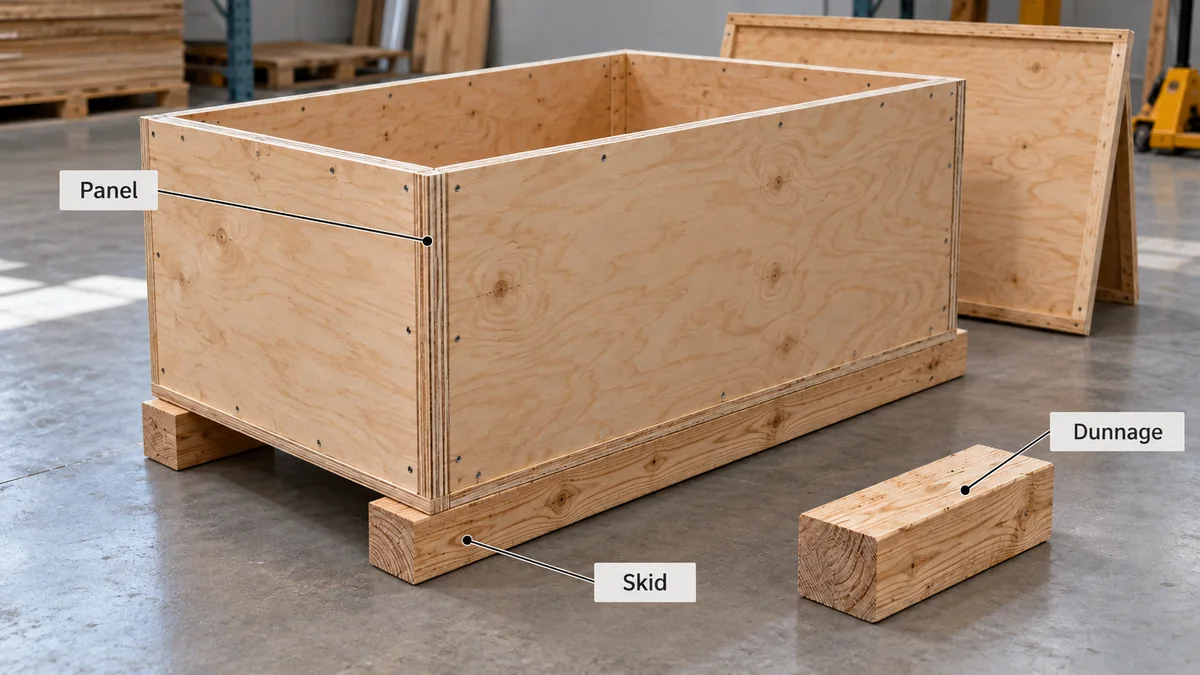
Break a plywood crate into its materials
The IPPC description of ISPM 15 addresses pest risks associated with raw-wood packaging in international trade. Its scope includes dunnage and distinguishes processed wood such as plywood. The description also makes clear that the measures are not continuing protection against later pest contamination.
The word that matters in the UK Plant Health Information Portal’s processed-wood exemption is “wholly.” An assembly containing plywood panels and solid timber is not described completely by the panel material. The portal also notes origin and material qualifications, so the component inventory should feed a route-specific check rather than an automatic exemption score.
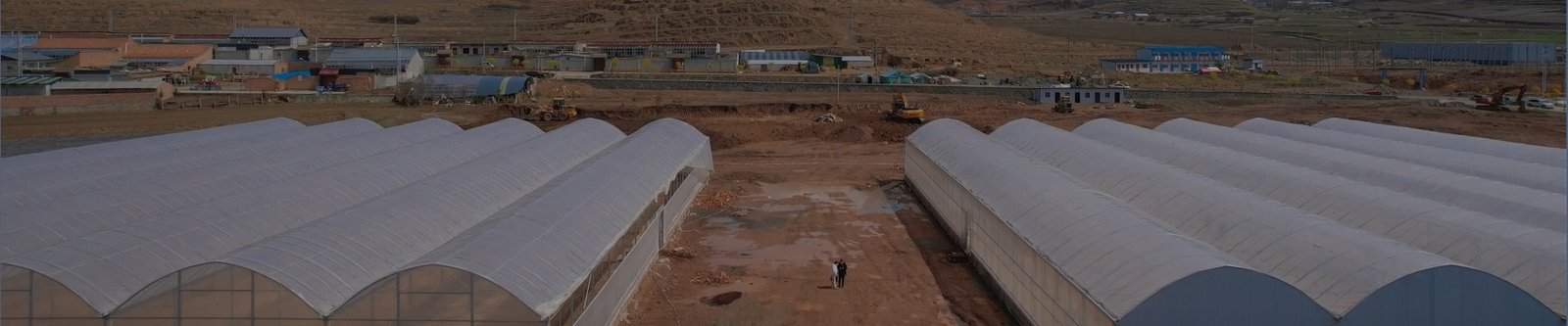
Consider this hypothetical greenhouse-kit crate:
| Component | Material in this example | What the description establishes |
|---|---|---|
| Side and lid panels | Processed plywood | Evidence for the panels’ material, not the whole assembly |
| Bottom skids | Solid wood | A separate component to assess under the route’s requirements |
| Internal blocking | Solid wood | Another raw-wood packaging component to identify |
| Loose loading dunnage | Solid wood added at the container | A loading-stage item that the crate purchase order may not cover |
The correct conclusion is that the assembly needs more than a plywood declaration. Ask the packing provider to identify the skids, blocking and loose dunnage and supply the relevant destination-specific evidence. A panel invoice cannot silently cover wood added by another party later.
Use Great Britain as a specific worked destination
GOV.UK’s import and export guidance says solid-wood packaging used to import goods into Great Britain must meet ISPM 15, while listing exceptions and separate arrangements for movements involving Northern Ireland. Great Britain here means England, Wales and Scotland. An international greenhouse shipment into that destination should be checked against the actual origin and route.
For the hypothetical mixed crate, give the broker or packing specialist the component list, origin, destination and transit details. Ask which items require compliant treatment and marking, who supplies that evidence and what must be resolved before loading. Do not use this British example as a universal certificate list for every market.
The same guidance tells exporters to check the importing country’s acceptance of ISPM 15 and any additional requirements. It also addresses repaired or changed packaging. A replacement skid or new blocking therefore belongs in the final review even if an earlier version of the crate was accepted by the packing team.
A mark and a shipment document do different jobs
An authorized treatment mark is evidence within a regulated wood-packaging system. A document called a fumigation certificate does not, by its title alone, establish that the required mark and material conditions have been met. Ask the responsible provider or broker to explain how the evidence applies to each relevant packing unit.
For a different jurisdiction, USDA APHIS’s U.S. importer guidance describes obtaining wood packaging from accredited sources, the required official marking and import inspection. These are U.S.-specific instructions, not additional British rules. They illustrate why the authority and destination should be named beside an answer.
Keep photographs and document references tied to the actual unit ID. Do not manufacture a mark, copy one from a supplier’s brochure or treat an unrelated marked pallet as evidence for loose timber elsewhere in the load. A broker should resolve unclear, damaged or changed evidence before the dispatch assumption becomes a commitment.
Keep handling strength outside the phytosanitary conclusion
A phytosanitary mark does not provide a safe working load, a restraint design or an unloading plan. Conversely, a strong crate does not demonstrate compliance with wood-packaging import requirements. Ask the packing specialist to keep cargo support, securing and handling suitability in their own approved scope.
This distinction is useful when a team proposes replacing solid-wood parts with another material. A potential change in phytosanitary scope does not establish that the replacement is strong enough or suitable for the handling route. Reconcile both decisions before changing the physical package.
The greenhouse packing and loading checklist covers the broader cargo plan. Add this component-material review to it. Use the shipping and Incoterms checklist to assign document and dispatch responsibilities without assuming a trade term answers the wood-packaging question.
Close the last-minute material gap
Download the wood-packaging component map. It is a manual record, without formulas or customs-clearance scoring. Open the UTF-8, comma-separated file, identify each packing unit and record panels, skids, battens, pallets, blocking and loose dunnage separately.
Complete the route and authority fields before entering a conclusion. Then record the responsible provider’s evidence, the broker’s unresolved question and the final material-change check. For example, “crate panels documented; loading dunnage provider still unconfirmed” identifies a real dispatch dependency. Preserve that distinction until the actual components and applicable requirements are reconciled. Final admission and inspection remain with the destination authorities.