
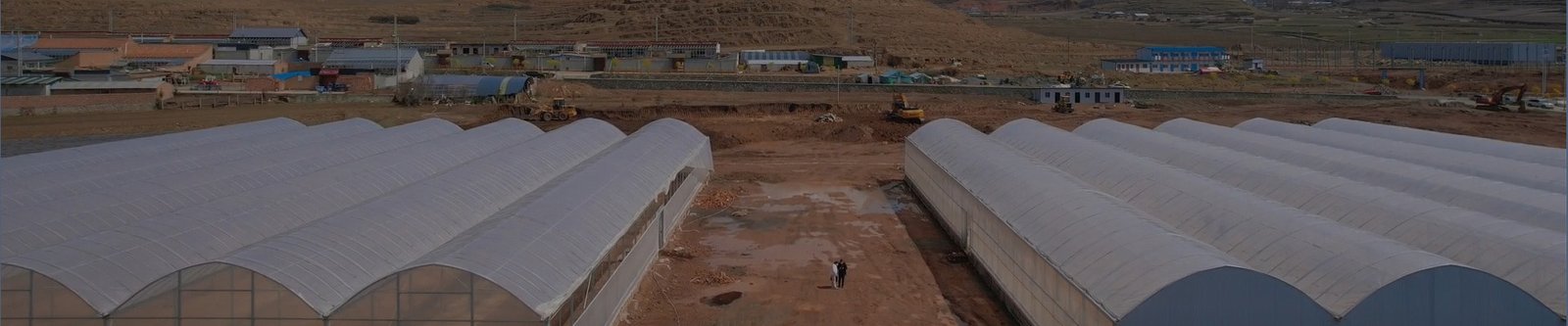
External shade cloth should reduce sunlight reaching the greenhouse while leaving the roof vents free to open through their designed travel. Before ordering a sheet or tying it down, map the moving vents, the attachment points and the route of every tensioning cord. A cloth that catches a vent can create a cooling problem just when the house needs more ventilation.
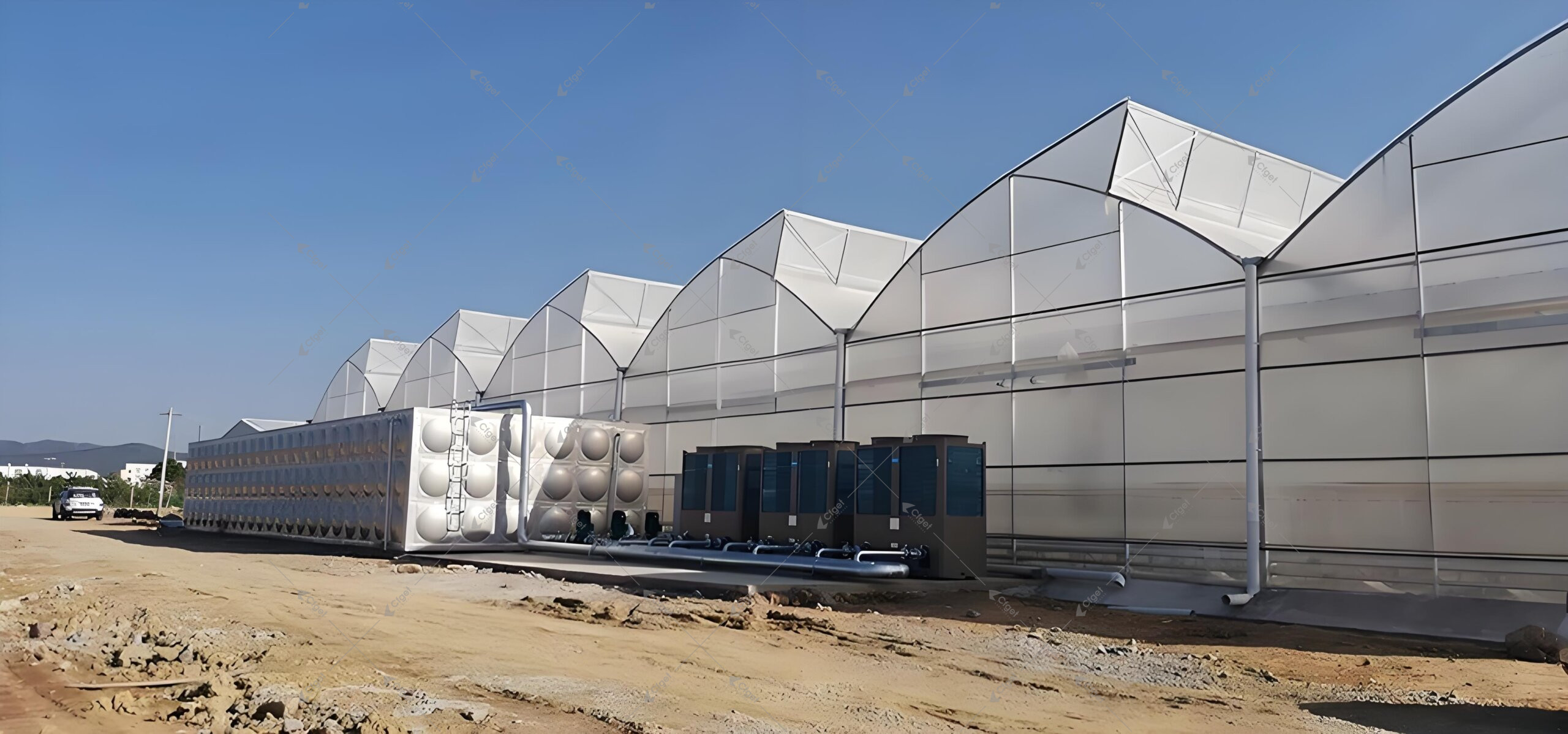
This guide addresses fitting and clearance. It does not select a universal shade percentage: crop light requirements, season, covering and local climate still determine how much shading is appropriate.
Draw the moving parts before measuring the cloth
Make a simple roof sketch from a safe position. Mark each vent, hinge line and opener. Include gutters, access routes and any existing screen cables. Obtain the installer’s drawing or use a competent installer for measurements that require roof access; the glazing is not a walking surface.
The closed outline of a vent is not its clearance envelope. Record where the leading edge, opener arm and retaining hardware move when the vent is fully open. Include cloth sag and the way a tensioning line can shift in wind. A nominal gap measured on a still day does not establish reliable clearance.
Ask the greenhouse and shade suppliers to agree on the attachment detail. Vent frames, gutter edges and crop-support wires are not automatically suitable anchor points. A shade sheet transfers wind forces into its fixings, so a convenient place for a cable tie may be the wrong place structurally.
Choose a layout around the ventilation path
Three arrangements are worth discussing with the supplier. Separate shade panels can leave vent rows clear. A properly designed stand-off support can carry cloth above moving windows. A retractable system can coordinate screen position with ventilation. Their suitability depends on the structure, wind exposure and maintenance access; none is a universal retrofit detail.
| Layout question | What to resolve before installation |
|---|---|
| Will the cloth sit directly over a roof opening? | Confirm the full vent travel and the available path for exhaust air |
| Will cords cross hinges or opener arms? | Reroute them to approved fixed supports |
| Can a wet or slack section touch the vent? | Include expected movement and a supplier-approved tensioning method |
| Can the shade be serviced from a safe access point? | Plan access before choosing permanent attachments |
| What happens in the site's severe-weather procedure? | Obtain an explicit deployment or removal instruction for this system |
The UMass shade guidance explains the value of intercepting solar energy before it heats the interior. That benefit does not remove the need for an open ventilation route. Its screen-system guidance also distinguishes screen materials and their interaction with air movement. Treat shade and ventilation as connected design decisions.
Test the roof through a complete opening cycle
Carry out the first movement test under suitable weather with the installer controlling the equipment according to its instructions. Observe from a safe location. Do not reach between a powered or spring-loaded vent and the cloth to create clearance while it is moving.
Check the beginning, middle and end of travel. A vent may clear the fabric initially and catch it near full opening. Repeat the check at the different screen positions the controller will use. Inspect every distinct vent arrangement, including end bays where the cloth or cord geometry changes.
Photograph the smallest clearances and mark them on the roof sketch. If a cord becomes taut against moving hardware or fabric rubs a panel edge, stop and correct the layout. The acceptance condition is free movement through the intended operating positions, not merely a successful opening of one window.
Measure the crop response after fitting
Use shaded air sensors at crop height and compare several locations. Log outside weather, vent position and shade position at the same time. If available, measure photosynthetically active radiation at the canopy to check whether the crop still receives suitable light; a cloth's advertised shade factor alone does not describe every condition under the roof.
A cooler sensor directly beneath a shaded roof section does not prove the whole crop is cooler. Look for hot end bays and stagnant areas below closed screens. If the house becomes hotter despite less sunlight, inspect the air path and controller sequence before adding another layer of cloth.
For the underlying inlet-and-outlet arrangement, our window ventilation article provides context. Keep the retrofit record more specific: cloth product, approved fixings, travel photographs, operating positions and measurements. Reinspect after the first period of normal operation and after weather that could have shifted the system, following the supplier's maintenance plan.