
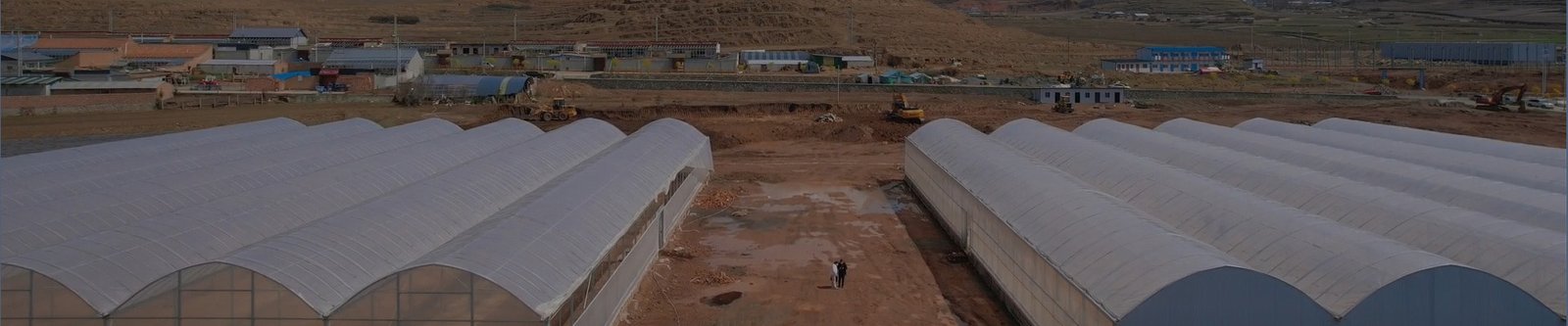
A running exhaust fan does not prove that fresh air is passing through the crop. If an open door or roof vent beside the fan offers an easier route, much of the incoming air may leave again before reaching the far end of the greenhouse. This is an airflow short circuit. Check the intended inlet, the actual air path and conditions across the crop before ordering a larger fan.
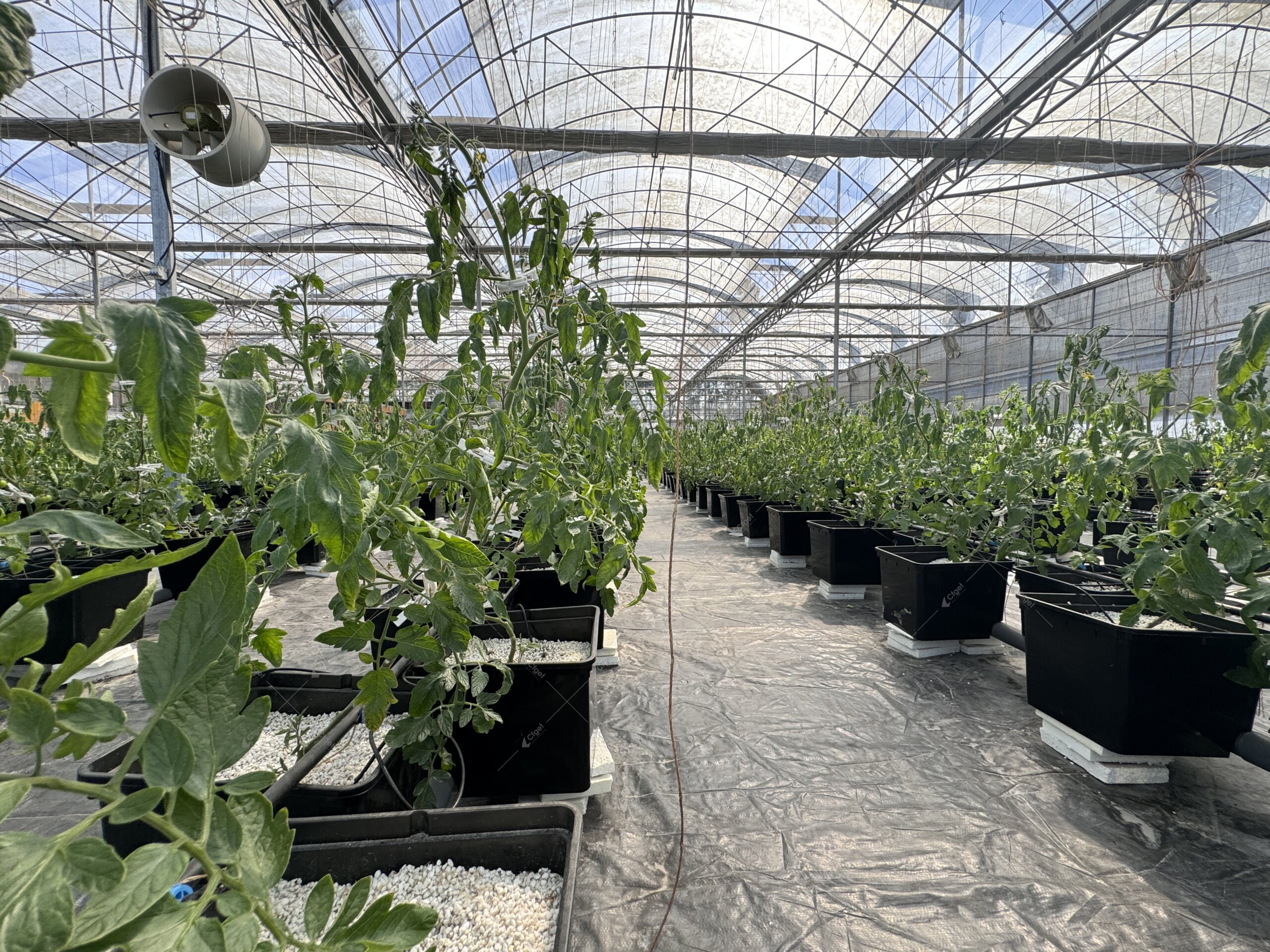
Short-circuiting is one possible fault, not the explanation for every hot greenhouse. Solar load, outside temperature, a restricted inlet, dirty shutters and an undersized system can produce similar complaints.
Sketch where replacement air should enter
Mark the exhaust fans, intended inlets, cooling pads, doors, roof vents, insect screens and internal partitions on a floor plan. Draw the intended route from inlet to fan. Then mark every opening that was actually open during the hot period.
The UMass ventilation guide describes fan-and-inlet arrangements. The practical question in an existing house is whether the installed openings create the intended flow under the operating conditions, including the resistance of screens and pads.
Inspect the designed inlet from a safe position. A commanded louver may be stuck, only partly open or obstructed outside. Photograph its actual position rather than accepting the controller's “open” signal as confirmation. Record screen contamination and nearby stored materials.
Compare the inlet end, middle and fan end
Place comparable shaded, ventilated air sensors at crop height along the intended flow path. Avoid direct sunlight, wet surfaces and contact with metal supports. Record the readings together with outside conditions, fan stage and opening positions.
Use a suitable handheld air-speed meter to compare accessible points, keeping clear of moving equipment. A small strip of light ribbon fixed safely away from fans and actuators can indicate local flow direction, but it does not measure ventilation volume. Do not use flames, combustion smoke or loose material that could enter equipment.
Write down the observations before changing the system. A useful record might say: “Near-fan door open; designed far-end inlet partly closed; fan-end air moving strongly; middle bench weak.” That is an observation pattern to investigate, not a numerical fan-performance test.
Change one opening under controlled conditions
Where the system design permits, have the operator compare normal operation with the nearby unintended opening closed and the designed inlet confirmed open. Monitor crop temperatures continuously and restore the established safe operating state if conditions worsen. Do not close all replacement-air openings or change emergency ventilation arrangements during extreme heat.
If movement through the central crop improves, the nearby opening was probably influencing the path. If little changes, inspect other restrictions and the fan system. Weather changes can obscure the comparison, so record wind and sunlight rather than crediting every temperature difference to the test.
For houses using both roof ventilation and mechanical exhaust, ask the designer which openings should operate together at each stage. A roof vent can be useful in one mode and create an unintended inlet in another. “All openings fully open” is not a universal control sequence.
Distinguish three different airflow problems
| Pattern | Likely investigation |
|---|---|
| Strong movement near the fan but weak movement through distant crop | Nearby unintended inlet, partitions or blocked designed inlet |
| Weak movement across most of the house despite correct openings | Fan condition, shutters, screens, system resistance and measured fan performance |
| Air moves through the crop but remains too hot | Outside conditions, solar heat gain, cooling capacity and operating strategy |
Check fan blades, guards and shutters according to the maintenance procedure; isolate equipment before servicing. A qualified technician can measure pressure and compare the operating point with the manufacturer's fan curve. A free-air catalogue rating does not describe every installed condition.
Circulation fans solve a different part of the problem
Horizontal-airflow fans redistribute air inside the house. They cannot, on their own, establish adequate replacement air from outdoors. The UMass horizontal-airflow guidance explains how circulation patterns depend on fan placement and obstructions.
Use the airflow map to decide whether the next job concerns exchange with outdoors or mixing within the crop. Our window ventilation guide provides additional context for natural ventilation. Keep the final operating sequence specific to this greenhouse: intended inlet positions, exhaust stages, compatible roof-vent states and the observations that confirmed air reached the crop.